Vancouver buyers entering Miami Beach should treat condominium insurance as three coordinated protections: replacement-cost HO-6 coverage, carefully sized loss-assessment insurance, and personal umbrella liability. Appropriate limits depend on reconstruction costs, association documents, deductibles by peril, policy wording, and the buyer’s wider risk profile rather than purchase price alone.
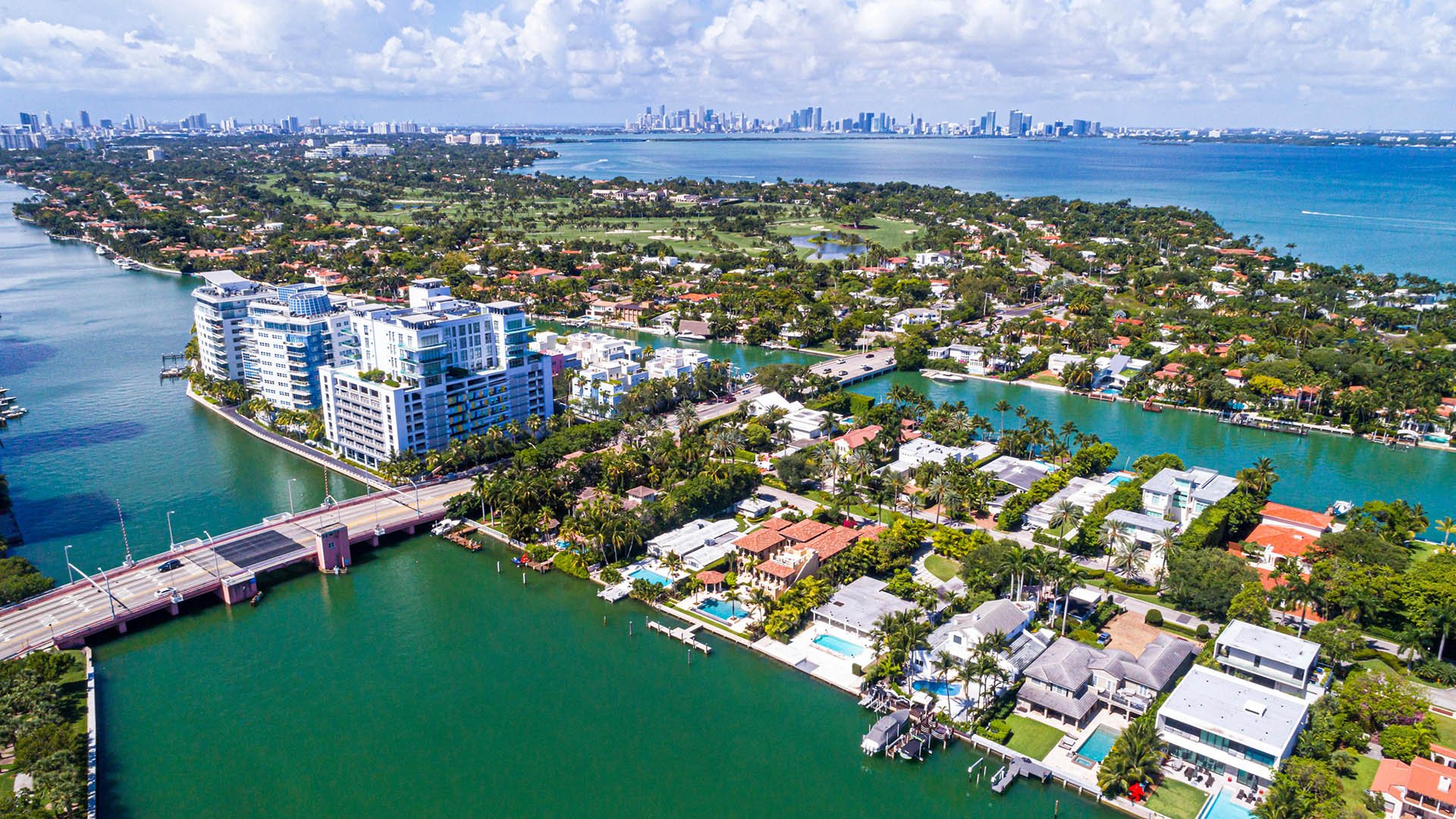
A move from Vancouver to Miami Beach can feel familiar on the surface: vertical living, shared property, association governance, and an owner’s policy alongside the building’s insurance. Yet the planning logic should not cross the border unchanged. Florida’s hurricane exposure, master-policy structure, association deductibles, and insurance framework call for a fresh assessment of risk.
The clearest approach separates three protections. HO-6 replacement-cost coverage can address eligible interiors, improvements, and personal property excluded from the association’s policy. Loss-assessment coverage may address an owner’s allocated share of certain association expenses arising from a covered loss. Personal umbrella insurance can protect against qualifying third-party liability above required underlying limits.
A Miami Beach insurance program should be designed around what can be lost, rebuilt, assessed, or claimed.
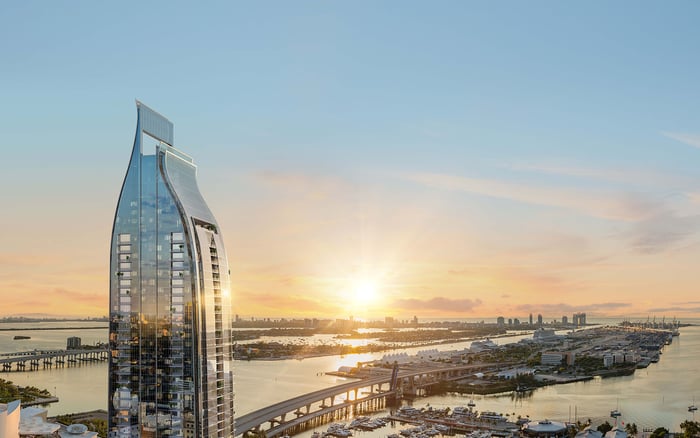
For buyers comparing The Perigon Miami Beach with other coastal opportunities, insurance review belongs alongside legal, financial, and building due diligence. It is not a closing-week formality.
The association’s master policy and governing documents determine which building components and common elements fall within the association’s insurance responsibilities. The unit owner may still need HO-6 protection for interior finishes, alterations, improvements, personal property, and other items assigned to the owner under those documents.
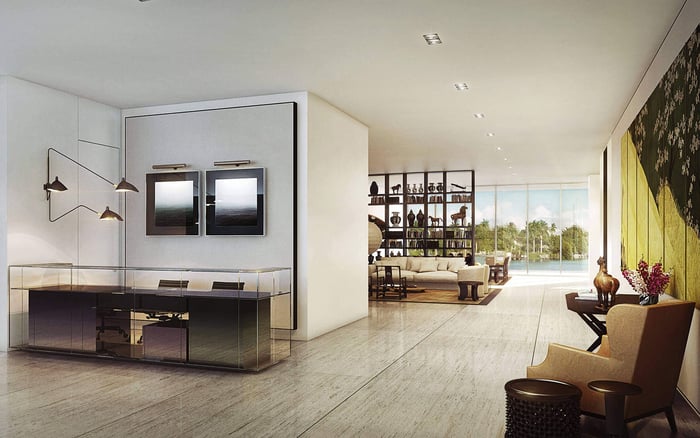
In a luxury residence, building-property and contents limits should reflect reconstruction needs rather than market value alone. A purchase price can capture views, scarcity, amenities, and location without revealing the potential expense of recreating custom cabinetry, stonework, integrated lighting, smart-home equipment, audiovisual systems, or tailored millwork after a covered loss.
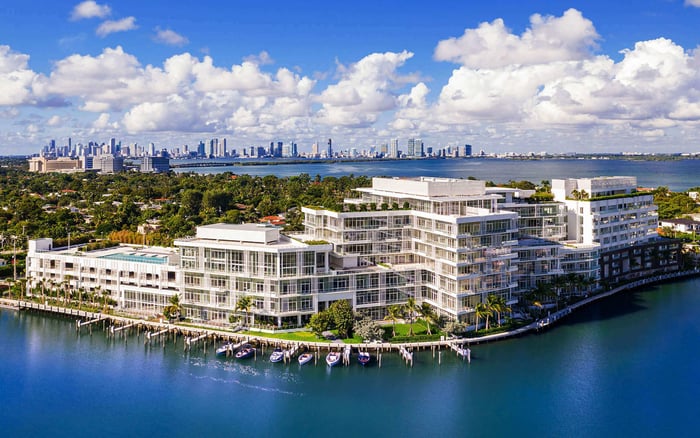
Replacement-cost coverage also differs from actual-cash-value coverage, which may account for depreciation. Buyers considering an oceanfront residence such as 57 Ocean Miami Beach should ask how improvements and contents would be valued at claim time, not merely whether they appear on a declarations page.
A practical inventory can pair room-by-room documentation with current estimates for specialty materials, technology, art-installation infrastructure, and bespoke work. Fine art, jewelry, collectibles, flood, windstorm, rental use, and watercraft may call for separate policies, schedules, or endorsements depending on the proposed coverage. The HO-6 limit should therefore emerge from a reconstruction review and policy analysis rather than a percentage carried over from a Vancouver policy.
The discipline of identifying the association’s largest deductible remains useful, but a Miami Beach review should also examine hurricane exposure, master-policy limits, uninsured losses, allocation provisions, and the proposed owner-policy wording.
Loss-assessment coverage may respond to an owner’s allocated share of certain association expenses when the underlying event and assessment satisfy the policy’s terms. Whether it applies can depend on the cause of loss, the damaged property, the association’s insurance, the owner’s policy, applicable exclusions, and how the expense was allocated.
This distinction is essential for waterfront buyers evaluating Shore Club Private Collections Miami Beach or another association-governed property. Loss-assessment insurance should not be assumed to cover reserve shortfalls, inspection-related repairs, deferred maintenance, reserve replenishment, regulatory work, or capital improvements. A higher limit does not by itself transform a maintenance or reserve obligation into an insured casualty claim.
Umbrella insurance addresses a different risk. It can extend qualifying third-party liability protection above underlying home, auto, and sometimes watercraft policies. It does not rebuild unit interiors, fund a master-policy deductible, or automatically pay an association’s building-repair assessment.
Umbrella carriers may require specified underlying liability limits. If an HO-6, auto, or watercraft policy falls below the required attachment point, the owner could face a gap before umbrella coverage begins. Coordination becomes especially important when vehicles, household staff, boats, rental activity, or multiple homes complicate the liability picture.
A useful review maps assets, income, activities, ownership entities, properties, vehicles, and watercraft, then confirms which exposures and household members the proposed contract covers. The appropriate umbrella limit should follow individualized legal, financial, and insurance advice rather than a generic formula.
Loss-assessment protection for an association liability event is not a substitute for an umbrella responding to a claim brought directly against the owner. The two forms of coverage may involve different insureds, triggers, limits, and allegations.
Before selecting HO-6 and loss-assessment limits, request the master-policy declarations, property limits, deductibles by peril, insurance-responsibility schedule, and rules for allocating uninsured losses. Ask qualified counsel and an insurance adviser to reconcile those materials with the declaration, bylaws, and unit boundaries.
For a buyer exploring The Ritz-Carlton Residences® Miami Beach, the review should address several practical questions:
Which finishes, fixtures, improvements, and equipment belong under the owner’s policy?
What are the association deductibles for wind and other covered perils?
How can a deductible or uninsured loss be allocated among owners?
Does the proposed HO-6 wording cover the relevant peril and type of assessment?
Are replacement-cost terms subject to conditions, sublimits, or exclusions?
Do underlying liability limits satisfy the umbrella carrier’s requirements?
Here, the acquisition review and insurance review converge. A potential assessment can be economically significant even when it is not insurable. Likewise, a generous policy limit offers limited protection if the triggering cause falls outside the contract.
Second-home ownership and cross-border arrangements can raise questions involving occupancy, rental use, ownership structure, tax residency, and claims administration. These issues warrant review by appropriately licensed Florida and Canadian advisers familiar with high-value risks. The objective is not simply to purchase more insurance, but to assign each exposure to the appropriate policy and identify what remains intentionally self-insured.
A disciplined sequence begins with the association file, continues with a reconstruction-based interior valuation, tests potentially covered and uncovered assessment scenarios, and concludes by aligning underlying liability policies with the umbrella. This process preserves a valuable Vancouver instinct for deductible scrutiny while adapting it to Miami Beach conditions.
For discreet guidance on Miami Beach property selection and the due-diligence questions that should accompany it, connect with MILLION.
If branded residences are on your mind — as a home or as an allocation — we would be glad to share what we are seeing, privately.
Begin a quiet conversationMiami Beach presents different weather exposure, association structures, deductibles, and policy considerations. A fresh review helps identify responsibilities and potential gaps.
It can protect eligible unit interiors, improvements, and personal property excluded from the association’s master policy, subject to its terms.
Not necessarily. Limits should consider the potential cost to reconstruct covered interiors and replace covered contents.
The valuation method can materially affect a claim settlement because actual-cash-value coverage may account for depreciation.
Coverage can depend on the cause of loss, damaged property, association insurance, allocation method, owner-policy wording, and exclusions.
No. The assessment must satisfy the policy’s coverage terms, so its underlying cause matters more than its label.
No. Buyers should not assume it covers reserve shortfalls, deferred maintenance, regulatory work, or capital improvements.
Request master-policy declarations, property limits, deductibles by peril, the insurance-responsibility schedule, and allocation rules for uninsured losses.
It can provide qualifying third-party liability protection above required underlying policies. It does not replace property or loss-assessment coverage.
HO-6, auto, and watercraft liability limits should be checked against the umbrella carrier’s attachment requirements to identify potential gaps.