For seasonal buyers at Avenia Aventura, advertised concierge service is a starting point, not an absence-care agreement. Define inspections, emergency access, storm procedures and costs before committing to a residence.
A seasonal residence should feel effortless on arrival because its care has been deliberate throughout the owner's absence. For buyers considering Avenia Aventura, the essential question is not simply whether someone answers the telephone at midnight. It is who can enter the residence, assess a problem, authorize assistance and keep the owner informed.
Avenia by FENDI Casa is listed at 20605 NE 34th Avenue in Aventura, with 22 residences advertised across 15 floors and delivery anticipated in 2027. These details establish location, scale and a projected timeline-not an operating record. A small residence count should never substitute for a documented staffing plan.
The purchase standard is straightforward: every task that matters during an absence needs a responsible party, a defined scope and a written escalation path.
Avenia advertises 24/7 concierge and valet services, along with round-the-clock security. Those descriptions do not establish routine in-unit inspections, medical response, uninterrupted storm staffing or guaranteed access after a hurricane. A verified absence-care program and detailed emergency-service agreement remain unconfirmed.
Ask the sales and management teams to distinguish building hospitality, common-area security and private residence care. For each function, request the proposed provider, coverage hours, exclusions and governing document. Clarify whether concierge staff merely relay requests or take responsibility for seeing them through to completion.
If your shortlist also includes Fendi Château Residences Surfside, apply the same questions independently. A design identity is not a transferable service agreement. Compare written obligations rather than assuming comparable care from branding.
An absence-care agreement should specify inspection frequency, not merely promise regular visits. Set the schedule with the provider and your insurance adviser, taking into account the residence, its equipment and the intended length of absence. Do not assume that building personnel routinely enter private residences.
Require an agreed checklist covering visible water intrusion, plumbing fixtures, air-conditioning operation, and interior temperature and humidity readings. Ask which areas are inspected, which remain inaccessible and which checks require a licensed specialist. A visual home-watch visit should not be presented as a technical inspection of concealed systems.
Each visit should produce a dated record, relevant photographs, noted exceptions and assigned responsibility for follow-up. Request a sample before signing. Define when a missed visit must be disclosed and how replacement coverage works. The deliverable is not simply confirmation that someone attended, but evidence that the agreed checks occurred and unresolved items were escalated.
Avenia's residence descriptions include integrated smart-home technology and pre-wiring for Wi-Fi and motorized shades. These features do not establish installed leak sensors, monitored humidity alerts, automatic water shutoffs or an absence-care dashboard. Ask for the delivered equipment schedule, optional upgrades, subscription costs and responsibility for setup and maintenance.
For any monitoring you commission, establish who receives alerts, who acknowledges them and what happens if the first contact is unavailable. Ask how a loss of internet connectivity or power affects notification. A remote alert without a response arrangement is not a complete care plan.
Private elevator lobbies are also advertised for each residence. Require an access protocol covering the full route from building entry to the residence, not merely possession of a key. Identify authorized individuals, credential custody, entry logging and the process for revoking permissions.
Have counsel review proposed emergency-entry authority and spending limits. The agreement should explain when the provider contacts the owner, when a designated representative may approve work and what actions are permitted if neither can be reached.
Do not accept a single promise of prompt response. Ask for separate targets for acknowledging an alert, assessing the situation, arranging a vendor and updating the owner. Require the provider to distinguish contractual commitments from best-effort targets and explain any exceptions.
For a suspected leak, the written sequence should identify who contacts building management, who is authorized to enter and who may arrange qualified assistance. It should also distinguish private property care from public emergency services. Concierge and security descriptions do not establish medical-response capabilities.
Request a primary and backup contact for each shift or coverage period. Establish a preferred communication channel, time-zone instructions and an alternate owner representative. Updates should state what is known, what remains unresolved, the next action and who is responsible for it. Closure should include the work record, invoices and any recommended follow-up-not merely a reassuring message.
Ask for a storm plan before treating the residence as ready for extended absences. It should distinguish preparations before access restrictions, services that may be suspended and conditions for resuming inspections. Storm staffing, vendor priority, owner-update timing and re-entry procedures remain unconfirmed for Avenia.
Require clarity on who handles approved terrace preparations, how vendors obtain access and what happens if elevators or normal building access are unavailable. Any promised post-storm inspection should be subject to lawful access and actual operating conditions, not described as guaranteed.
Ask how the provider communicates when it cannot reach the property. A candid notice of suspended service is more useful than silence. Establish how damage will be documented once entry is permitted and who coordinates subsequent work with management, contractors and the owner's insurer.
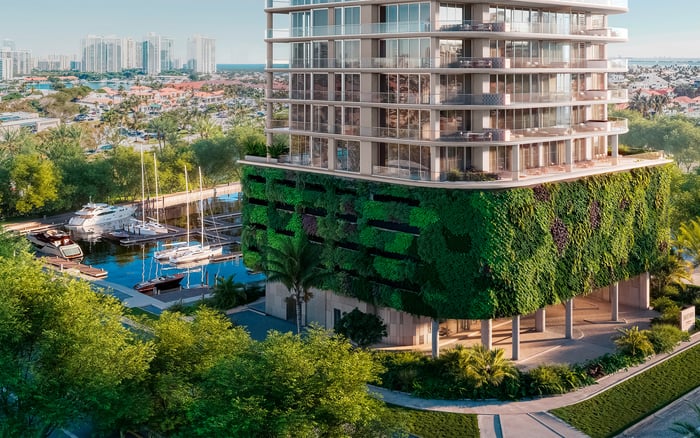
Avenia's advertised marina offering includes 14 private slips accommodating yachts up to 80 feet and a dedicated 40-foot guest dock. These amenities are not evidence of vessel supervision, storm preparation or emergency marine assistance.
If a vessel forms part of your seasonal plans, seek separate written responsibilities for residence care, slip access and yacht management. Confirm the applicable agreements, authorized contacts and charging arrangements. Do not assume that a residence purchase includes a slip or that residential concierge staff will attend to a yacht during an absence.
Advertised starting prices are approximately $5 million, while maintenance charges remain undetermined. Request the proposed budget and distinguish association-funded services from optional owner-paid care, monitoring subscriptions, vendor callouts and emergency surcharges.
When comparing Avenia with Turnberry Ocean Club Sunny Isles, use the same scope-and-cost worksheet rather than comparing amenity descriptions alone. Ask each team to identify which obligations are documented and which remain proposed.
An independent home-watch provider may be worth evaluating, but verify building access, insurance, backup staffing and management coordination without assuming an Avenia affiliation. Before committing, have advisers review the purchase documents and proposed care agreement together. The objective is not unlimited service; it is a clear account of what happens when you are away.
For discreet guidance on aligning a South Florida residence with seasonal ownership, connect with MILLION.
If branded residences are on your mind — as a home or as an allocation — we would be glad to share what we are seeing, privately.
Begin a quiet conversationAvenia advertises 24/7 concierge and valet services. That description does not establish routine in-residence inspections or a detailed emergency-response agreement.
A verified absence-care program is not established by the advertised amenities. Buyers should request a written scope identifying the provider, responsibilities, exclusions and fees.
The advertised anticipated delivery is 2027. Buyers should treat that timing as projected rather than a verified contractual commitment.
No. The advertised 22 residences across 15 floors establish scale, not staffing levels or emergency-response capacity.
Require an agreed checklist covering visible water intrusion, plumbing fixtures, air-conditioning operation and temperature and humidity readings. Specify visit frequency, dated documentation and escalation procedures.
Installed leak sensors and monitored absence-care functions are unconfirmed. Integrated smart-home technology and pre-wiring for Wi-Fi and motorized shades do not establish those features.
Request written authorization identifying who may enter, how credentials are controlled and what approvals are needed. Have counsel review emergency powers and spending limits.
No such commitment is established. Require written suspension conditions, communication procedures and re-entry arrangements subject to lawful access and actual operating conditions.
The marina description does not establish vessel supervision or storm preparation. Buyers should seek separate agreements for slip access and yacht management.
Maintenance charges remain undetermined in the available offering information. Request a budget separating association services from optional home watch, monitoring, vendor work and emergency charges.