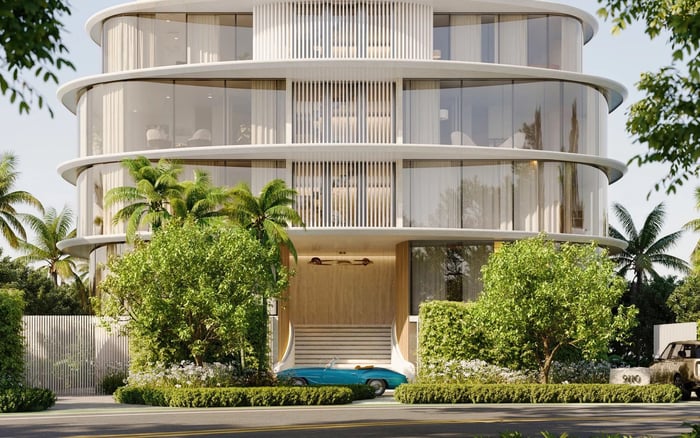
A buyer-focused review of Avenia Aventura, connecting insurance readiness, closing-balance reconciliation, and funding-delay questions to the documents that govern the purchase.
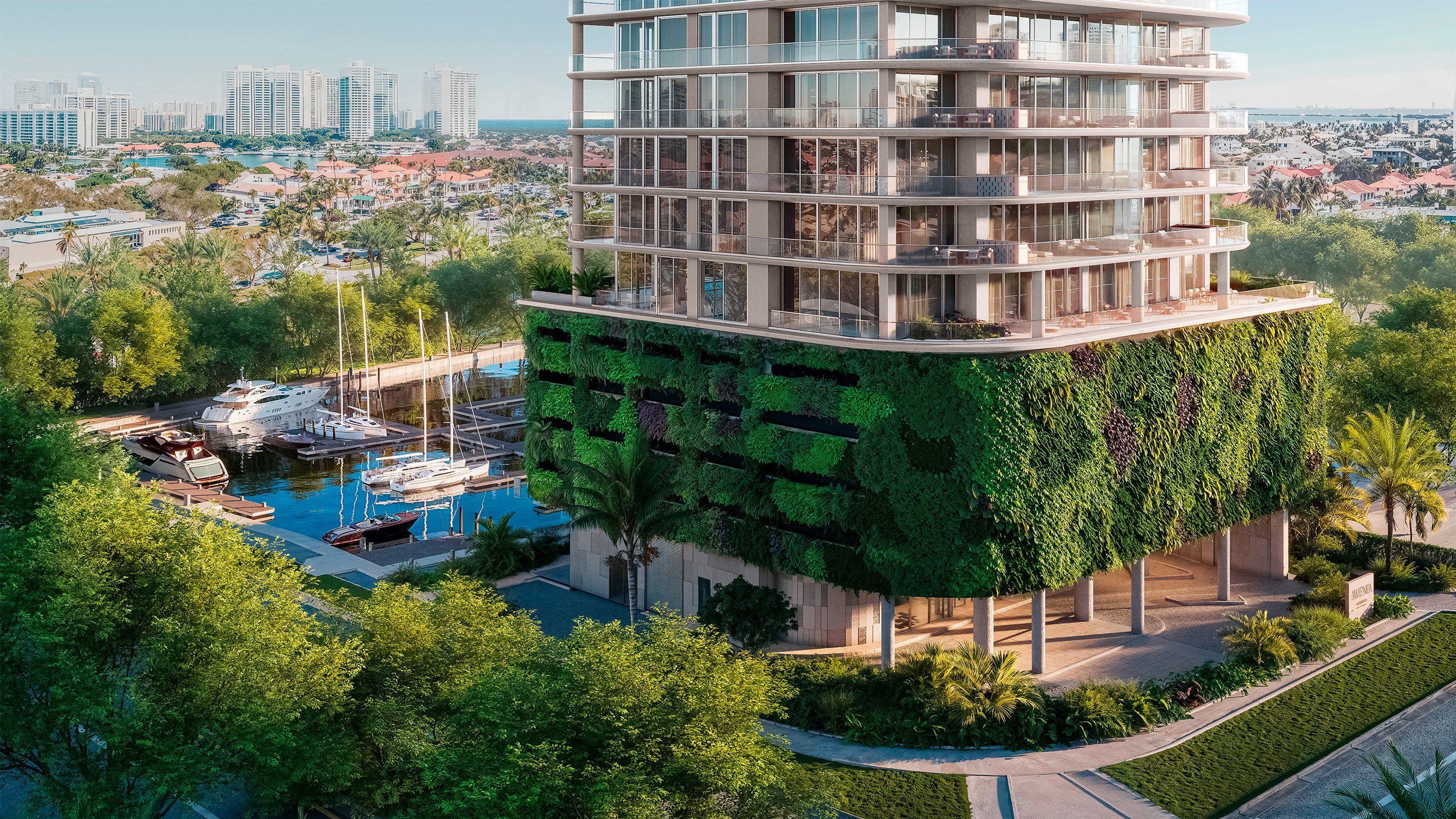
At Avenia Aventura, the proposition is intimate: 22 waterfront residences with interiors by FENDI Casa. For a buyer considering ownership in Aventura, that design identity begins the evaluation; it does not complete it. The practical review belongs in the insurance file, the closing statement, and the instructions governing the movement of funds.
Aventura Harbor Property, LLC, a Florida limited liability company, is the developer or sponsor. An important distinction governs the purchase: the condominium offering is made through the developer’s offering documents, not marketing alone. Buyers should ask counsel to connect each closing expectation to the applicable documents rather than treating presentation materials as contractual assurances.
Three questions bring this review into focus: Is the required insurance effective and accepted? Does the amount requested reconcile to the transaction records? What happens if signing, funding, and completion do not occur on the same day?
An insurance binder is temporary confirmation that coverage is in force for a specified property and insured, with stated limits and an effective date. Its usefulness at closing depends on those details matching the transaction.
Ask the insurance adviser to review the unit address, named insured, coverage limits, deductibles, and effective date. Does coverage begin no later than the applicable closing or funding date? For a financed purchase, do the mortgagee clause and loan number match the lender’s requirements? Has the lender accepted the binder, rather than merely received it?
Next, establish the scope. What unit-level coverage is required, and how does it relate to the association’s master policy? Which wind and flood coverages, if any, must be confirmed for this purchase? Resolve those questions through the applicable insurance documents and closing team, not assumptions about waterfront living.
A buyer also considering Fendi Château Residences Surfside should keep the insurance review property-specific. Design preferences may carry across a shortlist; coverage requirements warrant an independent check.
The word “binder” can also appear in title work. Ask the closing team to identify the document precisely, so delivery of a title binder is not mistaken for confirmation of property-insurance readiness.
Title preparation can include a chain-of-title history search, examination, and work to address outstanding title issues before closing. Title insurance protects buyers and lenders against title defects not discovered during the search. It addresses a different concern from the property coverage reflected in an insurance binder.
For the buyer, the useful questions are specific: What title matters remain open? Which documents or approvals are needed to resolve them? Who will confirm their resolution before funds are released?
Consider requesting a brief written status report separating title clearance, insurance acceptance, and lender readiness. Each deserves its own answer. A general assurance that the file is progressing does not resolve those individual questions.
The cash-to-close review should reconcile the transaction records, not compare the balance with a broad percentage estimate. Ask the closing agent to review the latest settlement statement against the executed contract, applicable amendments, deposit records, and financing information.
Begin with the purchase-price entry. Does it reflect the agreed transaction? Can every deposit credit be matched to evidence of receipt? Are agreed credits recorded in the correct amount and assigned to the correct party? If financing is involved, how are the lender’s proceeds reflected in the balance requested from the buyer?
Then examine each charge and adjustment. What supports it, who is responsible for it, and is it final? Ask whether any entries could change before completion and who will issue a revised statement if they do. These are review questions, not representations of Avenia’s closing charges.
Finally, can the closing agent account for the exact amount requested, starting with the contract price? Clarify any difference before authorizing the transfer. The goal is a clear, reconciled balance, with no unexplained figure carried forward simply because closing is approaching.
A closing sequence can involve opening escrow, searching title, preparing a settlement statement with lender information, signing documents, receiving funds, disbursing, and recording the deed. That sequence is not a promise that every stage will occur within one business day.
For an Avenia purchase, ask the closing team to define the transaction’s milestones. When must buyer funds be received? If financed, what remains before the lender authorizes release? What conditions govern disbursement and recording? At which point is possession authorized under the purchase documents?
Ask the parties handling the transfer directly for the applicable wire deadlines and confirmation procedure. Distinguish the buyer’s instruction to send funds from the closing agent’s confirmation that funds have arrived and are available for the transaction.
The same discipline applies when evaluating Bentley Residences Sunny Isles in Sunny Isles Beach: confirm that transaction’s timing independently, without assuming the funding schedule from another purchase applies.
A useful contingency discussion starts before a deadline becomes urgent. Ask counsel and the closing agent to address three possible interruptions: buyer funds arriving late, lender funding remaining pending after signing, and an unresolved insurance or title item preventing completion.
For each scenario, who must be notified, and by when? Can the issue be resolved that day? If not, what does the contract require, and whose written agreement would be needed to change the schedule? Do not assume an automatic extension, permission to disburse before recording, or a guaranteed same-day solution.
Also ask which documents or figures would need another review if completion moves. Would the insurance effective date remain appropriate? Would the settlement statement require revised adjustments? Would lender approval remain sufficient? These questions identify the next decision without implying that any particular contractual protection already exists.
The goal is a clear contact procedure and a document-based response, not a vague promise that the team will accommodate a delay.
Before authorizing the final transfer, ask for a closing-readiness summary: the accepted insurance evidence, the reconciled balance, the status of title matters, and the remaining funding conditions. Have counsel identify any unresolved issue affecting the buyer’s obligations or the planned completion date.
Avenia’s scale and design identity frame the ownership proposition. Precision in the closing file supports a more informed decision. Keep those two evaluations connected, but never interchangeable.
For a considered perspective on South Florida ownership, explore MILLION.
If branded residences are on your mind — as a home or as an allocation — we would be glad to share what we are seeing, privately.
Begin a quiet conversationAvenia Aventura is marketed as 22 waterfront residences with interiors by FENDI Casa.
The project’s legal disclosures identify Aventura Harbor Property, LLC, a Florida limited liability company, as the developer or sponsor.
The condominium offering is made through the developer’s offering documents, rather than marketing alone. Ask counsel to review the applicable documents before relying on a closing expectation.
An insurance binder temporarily confirms coverage for a specified property and insured, with stated limits and an effective date.
Review the unit address, named insured, limits, deductibles, and effective date. For a financed purchase, also check the mortgagee clause, loan number, and lender acceptance.
No. Ask the insurance adviser and closing team which coverages apply to the purchase and how unit coverage relates to the association’s master policy.
No. Ask the closing team to distinguish the title documentation from evidence of property coverage and confirm the status of each separately.
Ask the closing agent to compare the settlement statement with the contract, amendments, deposit records, credits, and financing information. Request an explanation of every charge and any unresolved difference.
No. Ask the closing team to confirm the separate conditions and timing for receipt of funds, lender authorization, disbursement, recording, and possession.
Ask who must be notified, what the contract requires, and whose written agreement would be needed to change the schedule. Do not assume an automatic extension or other existing protection.