A Madrid-to-Bal Harbour purchase should be evaluated as both a residence and a layered coastal-risk commitment. The disciplined buyer compares association and unit policies, translates percentage deductibles into cash exposure, tests loss-assessment protection, and builds flexibility into an international move during hurricane season.
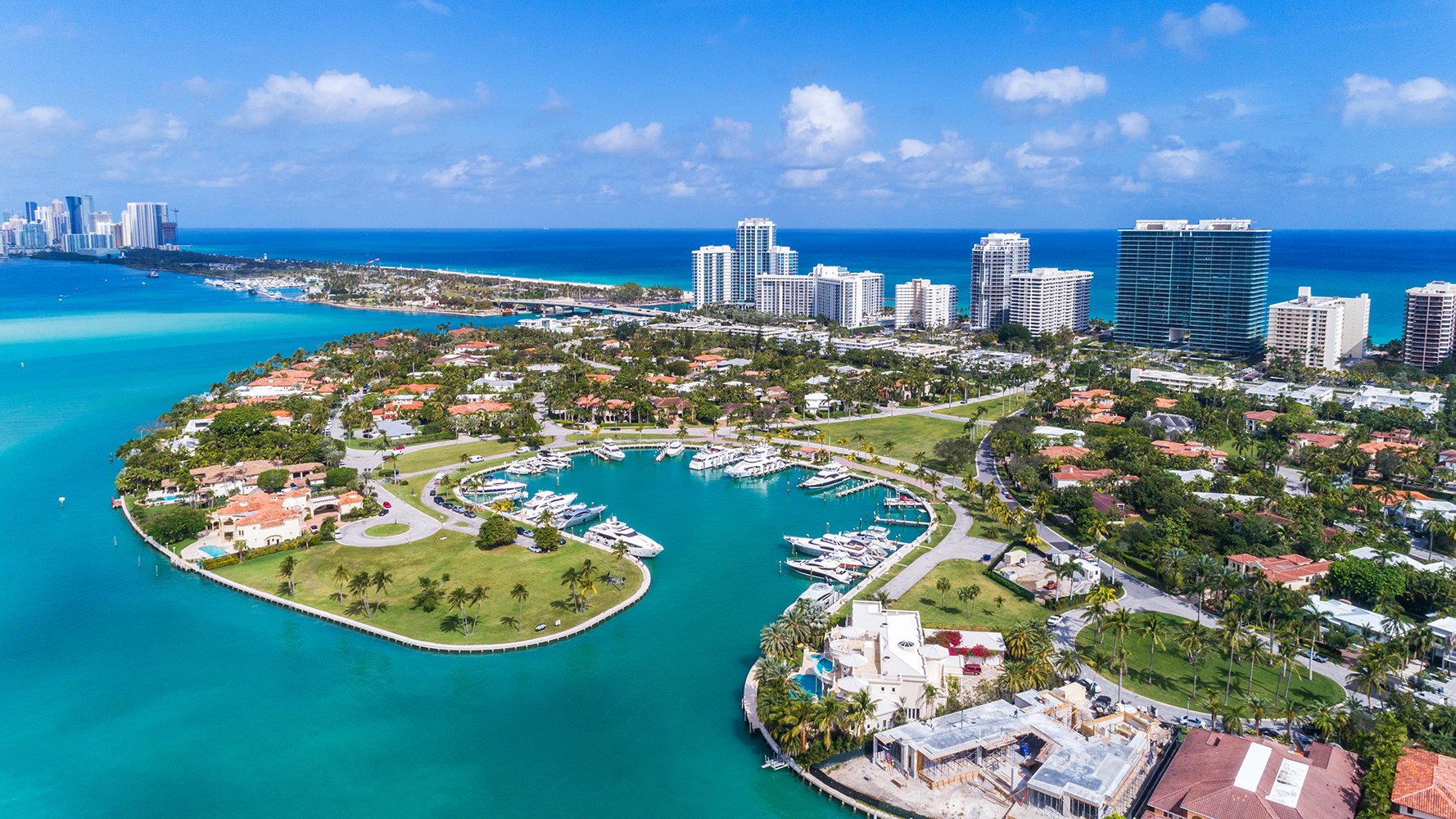
A move from Madrid to Bal Harbour is often framed by architecture, water views, privacy, and everyday ease. Yet the more consequential comparison may lie in the insurance documents. For a coastal condominium buyer, the full ownership profile includes the association's master policy, the owner's HO-6 policy, percentage deductibles, potential assessment exposure, and the practical timing of an international move.
This analysis should begin before a contract becomes difficult to unwind. Florida residential property policies must provide windstorm coverage, but that protection may be structured through separate terms, policies, or deductibles. In a high-risk coastal market, wind coverage may be excluded from a base policy or carry a separate deductible of roughly 1% to 5% of dwelling value.
The principle applies across Oceanfront and Waterfront choices, whether the buyer is considering Resale, New-construction, or a Second-home purchase. Insurance terms can make two visually comparable residences financially distinct.
The right comparison is not premium against premium, but total protection against total cash exposure.
A condominium has two insurance layers. The association's master policy addresses the building and common areas within its stated terms. The owner's HO-6 policy addresses unit-level property, contents, liabilities, loss of use, and other selected protections. Neither should be reviewed in isolation.
For each candidate building, request the current master-policy declarations, policy period, insurer details, total insured value, wind and hurricane deductibles, and exclusions. Then examine the association budget, insurance expense, deductible reserves, claims history, and past or pending special assessments. Governing documents are equally important because they determine how an association obligation may be allocated among owners.
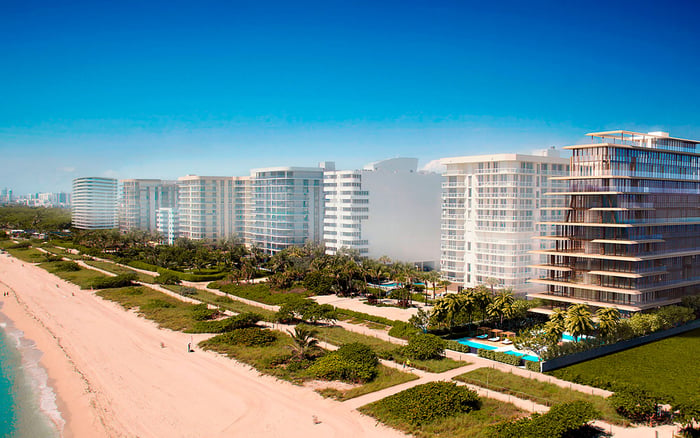
A Bal Harbour shortlist might include Oceana Bal Harbour and Rivage Bal Harbour. These links offer an entry point to the residential comparison, not a substitute for obtaining current insurance documents for the specific building and unit under consideration.
Obtain the personal quote before closing. Ask the broker to identify the insured value used, interior and contents limits, loss-of-use protection, wind and hurricane deductibles, liability limits, and loss-assessment coverage. Confirm the proposed effective date in writing to eliminate ambiguity among closing, possession, and arrival from Madrid.
Florida hurricane deductibles are often percentages of the insured amount-commonly 2%, 5%, or 10%-rather than fixed sums. Certain policy materials also present options of $500, 2%, 3%, 4%, 5%, and 10% of Coverage A, subject to eligibility. A percentage deductible is calculated from insured value, not the size of an individual loss.
That distinction changes the quote comparison. A lower annual premium paired with a higher percentage deductible may transfer substantial post-loss cost back to the owner. Request quotes based on the same insured values, coverage limits, and deductible assumptions. Otherwise, a seemingly favorable premium may simply reflect less protection or greater retained risk.
Also distinguish a named-hurricane deductible from an other-windstorm deductible. Other wind events can include tropical storms, tornadoes, hail, thunderstorms, and straight-line winds when a separate hurricane deductible does not control. Other-windstorm deductibles are generally fixed dollar amounts on personal policies, although the policy structure must always be verified.
The personal residential hurricane deductible generally applies once per calendar year per insurer or insurer group, with rules governing subsequent hurricane claims in that year. This does not eliminate the need to maintain accessible liquidity. It clarifies how the deductible may operate across multiple events.
The master-policy deductible may be the less visible risk. Coastal condominium policies commonly carry wind or hurricane deductibles equal to 2% to 5% of the building's total insured value, with some policies using higher percentages. Because that percentage applies to the entire insured building value, the resulting association obligation can be material.
Consider a hypothetical building insured for $100 million. A 2% deductible equals $2 million before insurance responds. If the association funds an uncovered deductible through a special assessment, each owner's share would depend on the governing documents and the unit's assessment allocation.
A useful screening calculation is:
Building insured value × master deductible percentage × unit assessment share
This is not a prediction of a future assessment. It is a method for comparing potential exposure across buildings. Run the calculation using the current deductible and, if the documents permit, a more conservative scenario. Then determine whether existing reserves are designated and sufficient for that obligation.
HO-6 loss-assessment coverage warrants a separate review. Coverage for an assessment arising from wind or hurricane damage is not automatic in every circumstance. Ask whether the cause of loss is covered, what limit applies, whether a separate deductible exists, and whether the policy responds to an assessment tied to the association's master deductible.
For a broader coastal comparison, buyers may also examine The Surf Club Four Seasons Surfside and The Delmore Surfside. The same underwriting discipline should follow the buyer across municipal lines: current master documents, a matched HO-6 quote, and a unit-specific assessment model.
Insurance inception and physical move-in are separate workstreams. Before belongings leave Madrid, confirm when the HO-6 policy begins and whether household property in international transit, customs handling, temporary storage, or a mover's custody requires separate moving or marine coverage. Do not assume the condominium policy follows possessions throughout the journey.
Ask management how hurricane watches or warnings affect freight-elevator reservations, delivery windows, contractor access, loading areas, and move-in approvals. Establish who can authorize a cancellation and how quickly the building communicates a suspension. Florida's statutory hurricane period extends until 72 hours after the last hurricane watch or warning for any part of the state is terminated, although a building's operational timetable may differ.
A resilient schedule includes a refundable or adjustable delivery arrangement, temporary climate-controlled storage, local representation authorized to coordinate vendors, and sufficient time between closing and final installation. Keep essential documents, medication, valuables, and immediate-use clothing outside the main shipment.
The objective is not to predict weather months in advance. It is to prevent a forecast event from forcing an uninsured handoff, an unauthorized delivery, or an expensive last-minute decision.
The strongest Buyer's Guides discipline is a single-page matrix for every finalist. Record purchase price, association charges, master-policy insured value, master wind and hurricane deductibles, estimated unit assessment share, reserves, claims and assessment history, HO-6 premium, unit deductibles, loss-assessment limit, and confirmed coverage date.
Alongside the financial fields, add move-in controls: elevator reservation, delivery blackout rules, storage alternative, local contact, and shipment coverage. A residence should advance only when both columns work. In Bal Harbour, elegance at arrival is best protected by precision before departure.
For discreet guidance in aligning property selection with the details of a South Florida move, connect with MILLION.
If branded residences are on your mind — as a home or as an allocation — we would be glad to share what we are seeing, privately.
Begin a quiet conversationInsurance terms can materially change annual cost and post-loss cash exposure. Early review also allows time to compare the master policy with a unit-specific HO-6 quote.
The association's master policy covers the building and common areas within its terms. An HO-6 policy addresses selected unit-level property, contents, liabilities, loss of use, and related protections.
It is calculated from the property's insured value, not as a percentage of the individual loss. The dollar exposure should therefore be calculated before comparing premiums.
Personal residential hurricane deductibles are commonly 2%, 5%, or 10% of the insured amount. Other eligible options may be available depending on the policy.
Yes. An association may fund an uncovered master-policy deductible through a special assessment allocated under the governing documents and unit assessment shares.
Multiply the building's total insured value by its wind or hurricane deductible percentage, then apply the unit's assessment share. This produces a planning estimate, not a forecast.
No. Its treatment of wind or hurricane assessments must be checked specifically because coverage is not automatic in every circumstance.
Not necessarily. Named-hurricane deductibles can differ from deductibles for tropical storms, tornadoes, hail, thunderstorms, or straight-line winds.
The effective date should be confirmed before closing and before belongings are exposed at the residence. Transit and temporary storage may require separate moving or marine coverage.
Maintain flexible delivery dates, temporary storage, a local coordinator, and clear building rules for elevator or delivery suspensions. Keep essential items outside the principal shipment.