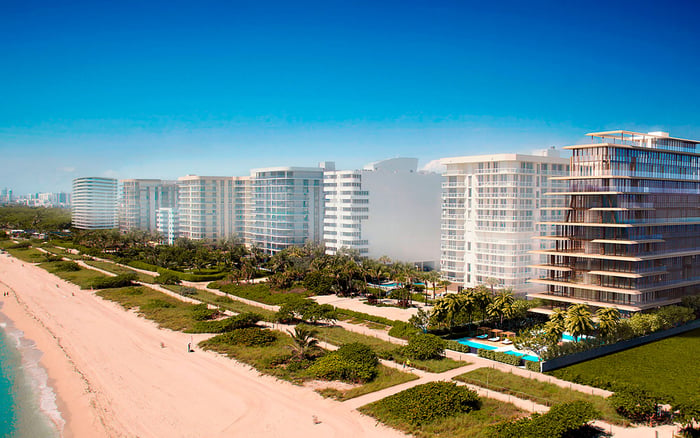
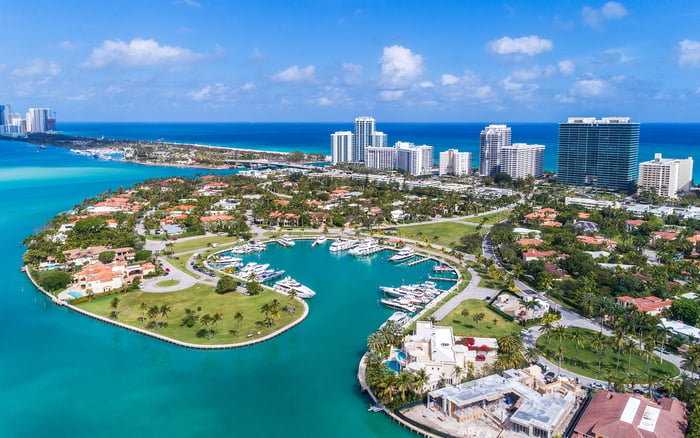
At Rivage Bal Harbour, turnkey due diligence extends beyond finishes. Buyers should verify the controlling documents, classify every proposed alteration, map association and municipal approvals, and place move-in logistics on the closing calendar.

At Rivage Bal Harbour, the premise is compelling: a new oceanfront residence in one of South Florida’s most exacting enclaves. Located at 10245 Collins Avenue, the development offers residences from $8 million, with estimated condominium fees of approximately $2.10 per square foot. Yet for buyers who expect to arrive with luggage and begin living immediately, the most consequential details may lie beyond the presentation package.
A residence can appear complete while still requiring a tightly managed sequence of approvals for customized closets, lighting, integrated technology, decorative millwork or more visible architectural changes. The serious buyer therefore assesses turnkey readiness through four lenses: contractual delivery, association access, municipal permitting and practical move-in coordination.
This buyer’s guide framework is especially important for new-construction purchases marketed as move-in ready. It also applies when comparing Rivage with established Bal Harbour alternatives such as Oceana Bal Harbour, where each building’s current documents and operating rules remain the decisive authority.
Turnkey readiness is measured by the path from closing to uninterrupted use.
Begin with the contract, condominium documents, finish schedule and final approved plans. Permitting and government approvals may require alterations to planned designs, floor plans, layouts or details before delivery. Renderings and preliminary marketing materials are not substitutes for the controlling documents.
The practical question is not simply whether a residence is finished, but whether its delivered condition matches the buyer’s intended use without additional work. Identify every material item-from lighting locations and audiovisual infrastructure to closet interiors and window treatments-then determine whether it is included, offered as a developer-managed pre-closing customization or left for the owner after closing.
That distinction is critical. Developer-directed work performed before delivery may follow a different process from owner-directed construction undertaken afterward. Any promised customization, credit, substitution or completion obligation should be documented with sufficient precision to define responsibility and timing.
Place each desired change into one of four categories: interior-only, exterior-visible, structural, or mechanical, electrical and plumbing-related. That classification determines the likely approval route.
Bal Harbour Village requires a building permit for most construction work, including many alterations an owner might consider minor. The Village Building Department reviews interior-only work directly. Purely interior improvements that are not visible from ground level or the first three floors are generally exempt from site-plan review, although ordinary permits may still apply. Structural, zoning and building-system requirements can also affect interior work.
Exterior-visible changes are more involved. Alterations to windows, doors, balconies, railings, shading systems or similar elements can require Architectural Review Board review and a Certificate of Appropriateness before permitting. For condominium property, association approval must precede a qualifying ARB application. Association consent does not replace Village permits, inspections or other public approvals.
Buyers considering nearby oceanfront options, including The Delmore Surfside, should apply the same discipline: never assume that a visually modest change is administratively minor.
The approval sequence can materially affect immediate occupancy. The ARB application deadline falls at noon one month before the relevant meeting, creating meaningful lead time before substantive review begins. A submission may require signed and sealed architectural drawings, a site plan, photographs, renderings, an architectural statement, surveys, copies, fees and other project-specific materials.
An incomplete package can push a buyer into the next meeting cycle. Before signing, determine whether Rivage’s association reviews renovation applications continuously or only during scheduled board or architectural committee meetings. Confirm package requirements, the review sequence, decision-making authority and the procedure for revisions.
For planning purposes, many association application reviews fall within a one-to-four-week range, and some buildings conduct interviews. This is only a Bal Harbour benchmark, not a confirmed Rivage timetable. The actual process must be verified in Rivage’s condominium documents and current rules.
The working calendar should also account for design preparation, association review, any monthly ARB cycle, permit processing, contractor mobilization, inspections and building-imposed work windows. None should be treated as concurrent unless the governing parties confirm that the steps can overlap.
A specific post-completion renovation moratorium at Rivage is not currently confirmed. That uncertainty is precisely why the question belongs in pre-contract due diligence.
Request the current construction rules and ask directly whether owner work is prohibited or restricted after completion, during initial occupancy, during peak season or while common-area work continues. Confirm work hours, noise restrictions, contractor insurance, deposits, protection requirements, elevator reservations and seasonal blackout periods. Ask whether different rules apply to quiet installations, permitted interior construction and exterior-visible work.
The answer matters even to a buyer who accepts the developer finish package. Custom closets, art lighting, integrated controls and tailored audiovisual systems can require contractors, deliveries, access reservations or permits. A moratorium or narrow work window can turn a limited scope into months of deferred use.
Immediate occupancy requires its own checklist. Place association approvals, package deadlines, possible interviews, move-in reservations, elevator scheduling and delivery rules on the closing calendar. If the residence will be rented, separately verify minimum lease terms, annual rental frequency, tenant screening, fees, interview requirements and occupancy restrictions. Turnkey delivery does not imply hotel-style rental flexibility.
Building-wide conditions deserve equal scrutiny. Review budgets, reserve information, engineering materials, planned projects, assessment history, board minutes and anticipated funding needs before waiving contingencies. A pristine residence can still be affected by façade, garage, pool-deck, waterproofing or amenity work that creates noise, limits access or temporarily restricts owner renovations.
This operating review should remain property-specific, whether the comparison set includes Rivage, Oceana or The Surf Club Four Seasons Surfside. Similar coastal positioning does not produce identical construction rules, approval calendars or occupancy procedures.
A disciplined Rivage offer should make documentary clarity part of the value calculation. Confirm the final approved residence plans and finish schedule. Separate pre-closing developer work from post-closing owner work. Classify proposed alterations, identify each approval authority and test the schedule against the intended occupancy date.
Finally, obtain written answers about any renovation moratorium, contractor access, insurance, deposits, work hours, blackout periods, elevators and inspections. For the turnkey buyer, these are not secondary management details. They determine when a beautifully delivered residence can function as a private home on the buyer’s terms.
For discreet guidance on Rivage Bal Harbour and South Florida’s ultra-premium residential market, connect with MILLION.
If branded residences are on your mind — as a home or as an allocation — we would be glad to share what we are seeing, privately.
Begin a quiet conversationThe available information does not establish a specific current moratorium. Buyers should verify the recorded condominium documents and current construction rules before signing.
Approvals can delay customization, deliveries, contractor access and practical occupancy even when the residence itself is complete.
Review the contract, condominium documents, finish schedule and final approved plans rather than relying solely on renderings or preliminary materials.
Most construction work requires a building permit. Interior projects may also trigger structural, mechanical, electrical, plumbing or zoning requirements.
Exterior-visible work involving elements such as windows, doors, balconies, railings or shading systems can require ARB review and a Certificate of Appropriateness.
Yes. For a qualifying condominium application, association approval must be obtained before submission to Bal Harbour’s Architectural Review Board.
The deadline is noon one month before the relevant meeting, creating a built-in lead time before substantive review.
Request rules covering work hours, contractor insurance, deposits, elevators, noise, blackout periods, inspections and any renovation moratorium.
Include application deadlines, package requirements, possible interviews, move-in reservations, elevator scheduling, contractor access and permit timing.
No. Buyers should separately verify lease terms, rental frequency, screening, fees, interviews and occupancy rules.