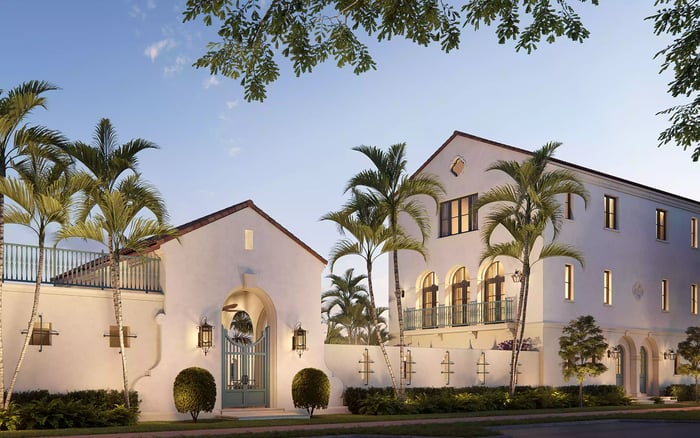
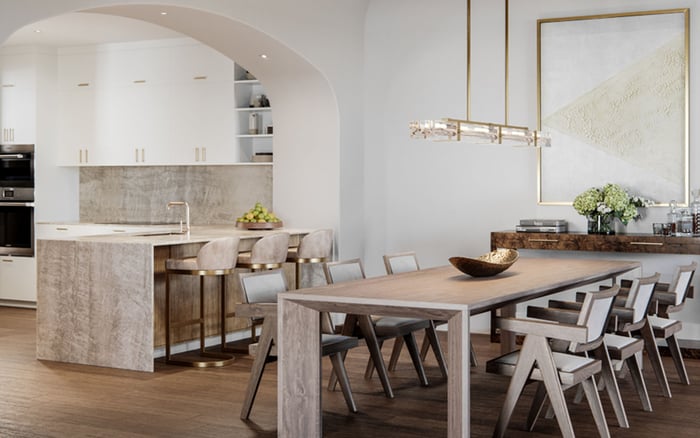
A buyer-focused comparison of Park Grove Coconut Grove and The Village at Coral Gables through the lens that matters most to many family purchasers: school-zone verification, private-school access, commute efficiency, and the real rhythm of weekday driving.
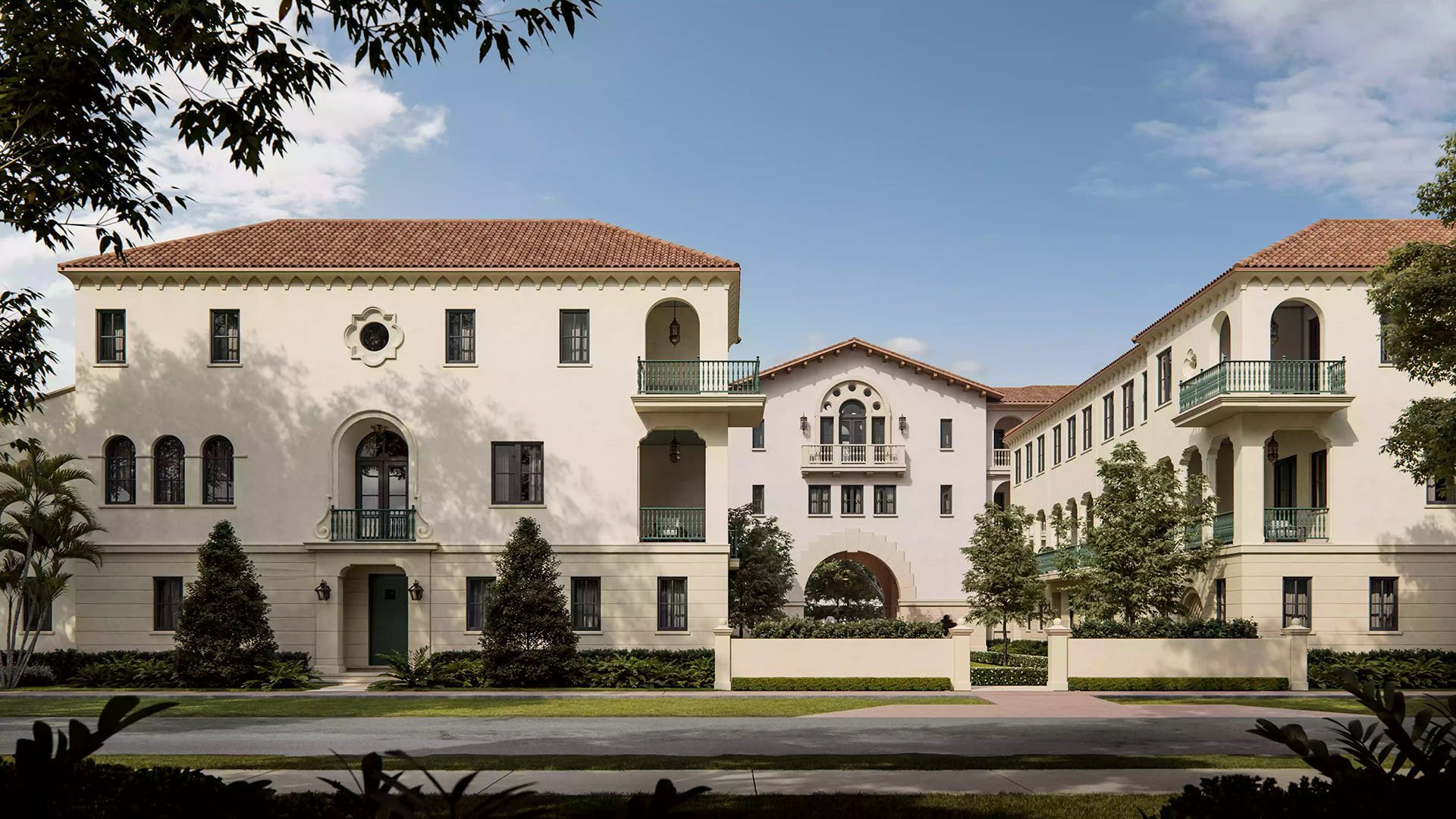
For affluent buyers comparing Park Grove Coconut Grove with The Village at Coral Gables, the decision is rarely abstract. It usually comes down to the shape of a weekday: how quickly the morning gets underway, how predictable the school run feels, and whether a Downtown or Brickell office is reachable without turning every afternoon into a routing exercise.
Both neighborhoods appeal to families for good reason, but they support daily life differently. Coconut Grove often suits households that value faster access to the urban core and are comfortable evaluating a mix of public and private school pathways. Coral Gables often attracts buyers who want public-school proximity to feel more integrated into neighborhood life, even if that can bring a busier school-zone traffic pattern during peak hours.
This is where school-zone logic becomes more useful than broad reputation. A luxury home can be flawless on paper and still miss the mark for a family if the campus fit, travel pattern, and pickup routine do not align.
Both communities sit within the county public-school framework, which means attendance should always be verified directly before a purchase decision. That sounds obvious, but in practice it is one of the most important distinctions in this comparison. Family buyers should separate three questions: what the assigned public option is, how compelling nearby private alternatives are, and what each choice means for the daily drive.
In Coconut Grove, the public-school conversation is often paired with a serious look at private education. Families near Park Grove have major nearby options such as Ransom Everglades and St. Stephen’s Episcopal Day School, and that broadens the decision beyond a single zoned campus. For some buyers, that flexibility is the point. They want a walkable, design-forward Grove address and view school planning as something to curate rather than inherit.
In Coral Gables, school access is often part of the neighborhood’s core family identity. The public-school ecosystem is often seen as a stronger draw, which can reduce the pressure to default to private school. That does not eliminate private-school demand, of course. It simply means more households may structure their search around nearby public campuses first, then keep private options in reserve.
The easiest way to understand these two communities is to think in sequences.
At Park Grove, many school and work trips begin with a quick move toward major connectors. That gives families multiple route choices, which can be valuable when weather, crashes, or school-calendar patterns change traffic unexpectedly. If one parent is headed to Brickell or Downtown Miami, the location typically works in Park Grove’s favor. Park Grove to Downtown is often described as quicker for many eastbound or northbound commutes than The Village at Coral Gables.
That time difference may sound small in a single trip. Over a school week, it becomes meaningful. Even modest savings in each direction can be the difference between a composed morning and a rushed one.
At The Village at Coral Gables, the pattern is different. Downtown-oriented trips often begin on local streets before connecting to faster corridors. That does not make the location less desirable. It simply means Coral Gables buyers should think more carefully about where both parents work, not just where the property sits.
For some westbound commutes, The Village at Coral Gables may actually be more convenient. If the family routine points away from Brickell and Downtown, the balance can shift.
This is the practical dividing line.
Households near The Village at Coral Gables are often positioned for easier access to public-school campuses, making short drives, and sometimes walks, more realistic. That can create a sense of neighborhood cohesion that many family buyers value. If the public option is the intended plan, the logistics are often straightforward.
Near Park Grove, families may have a different pattern that emphasizes premium residential character, private-school access, and a stronger commute position for core business districts.
This is one reason nearby projects such as Four Seasons Residences Coconut Grove, Opus Coconut Grove, and Ponce Park Coral Gables continue to resonate with buyers comparing family routines across Coconut Grove and Coral Gables.
Families often focus on headline commute times and overlook the friction of school-zone traffic itself.
Coral Gables can present heavier congestion during weekday drop-off and pickup windows, especially around school corridors. The upside is convenience and local integration. The tradeoff is that certain streets can feel busier exactly when families need efficiency most.
Park Grove can be easier in a different way. While school drives may sometimes be a bit longer depending on the chosen campus, Coconut Grove’s broader walkability helps reduce some non-school car trips. Dining, errands, and casual neighborhood movement can feel more compact, softening the overall transportation load of a family week.
That is why the better choice often depends on which inconvenience you prefer. Would you rather have a slightly longer school run but a faster office commute and more route flexibility? Or a closer public-school pattern with more localized congestion at key hours?
Park Grove usually makes the strongest case for the family whose weekday gravity points toward Brickell or Downtown. If a parent needs regular access to the urban core, or if the household expects to evaluate private schools seriously, the Coconut Grove equation is compelling. The location often gives back time where high-performing families value it most: in the work commute.
The Village at Coral Gables tends to suit the family that wants schooling to feel more embedded in the neighborhood itself. If the preference is to keep public-school access close, preserve a classic residential setting, and accept that school-zone traffic is part of the social texture of the area, Coral Gables is often the cleaner fit.
Neither choice is categorically superior. Each reflects a different answer to the same luxury question: where should convenience live?
If school planning is anchored to public options first, The Village at Coral Gables may hold the cleaner day-to-day advantage, especially for households that value short distances to nearby campuses. If the household is more likely to blend private-school access with a Downtown or Brickell work pattern, Park Grove often wins on rhythm, flexibility, and commute efficiency.
The highest-level takeaway is simple. In Coconut Grove, the premium is often paid for location fluidity. In Coral Gables, the premium is often paid for family infrastructure that feels more immediately local.
Is Park Grove better for Downtown Miami commutes? Often yes. Buyers commonly view Park Grove as the stronger fit for households with regular Brickell or Downtown work patterns.
Is The Village at Coral Gables better for public-school proximity? In many cases, yes. Families there often prioritize easier access to nearby public-school campuses as part of the neighborhood lifestyle.
Do both communities have access to private schools? Yes. Both areas are commonly considered by buyers who want private-school optionality in their planning.
Should buyers rely on neighborhood school reputation alone? No. Attendance should always be verified directly before a purchase decision.
Is Coral Gables traffic worse during school hours? It can be. Local school corridors may feel more congested during weekday drop-off and pickup windows.
Does Park Grove reduce overall car use for some families? Potentially yes. Coconut Grove’s walkability can make errands and dining trips feel more compact.
Can The Village at Coral Gables still work for private-school families? Absolutely. Choosing Coral Gables does not prevent buyers from pursuing private-school options.
Which location may work better for westbound commutes? The Village at Coral Gables may be more convenient for some westbound destinations, depending on the route.
What should families compare besides the home itself? They should compare the school plan, the office commute, and the afternoon pickup routine as one system.
What is the best way to shortlist comparable options for touring? Start with location fit, delivery status, and daily lifestyle priorities, then compare stacks and elevations to validate views and privacy.
When you're ready to tour or underwrite the options, connect with MILLION Luxury.
If branded residences are on your mind — as a home or as an allocation — we would be glad to share what we are seeing, privately.
Begin a quiet conversation