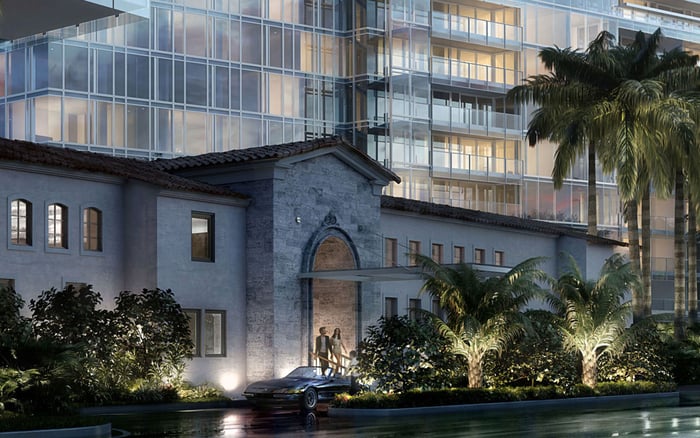
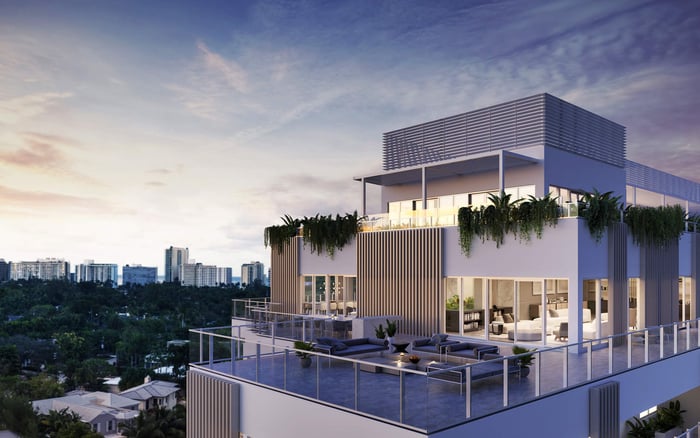
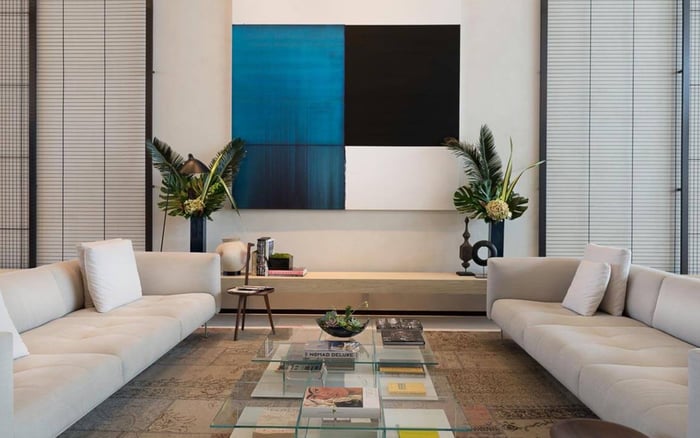
Surfside favors scarcity, a restrained residential scale and a smaller resale pool. Sunny Isles Beach offers more branded towers, broader amenity choice and more visible inventory, but liquidity varies materially by building quality, reserves and governance.
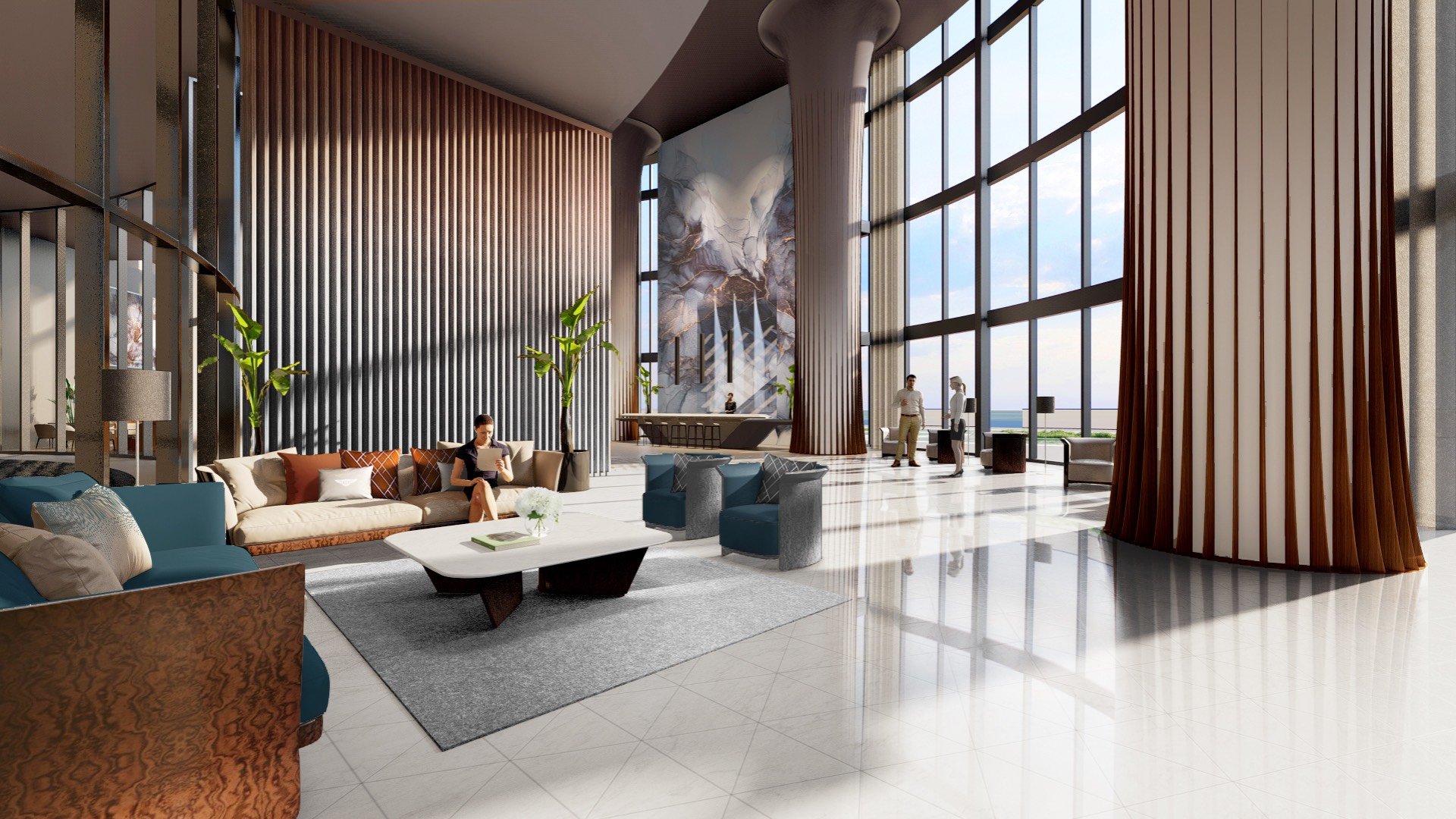
Surfside and Sunny Isles Beach occupy the same coveted stretch of South Florida coastline, yet they offer notably different expressions of luxury. Surfside is defined by a restrained residential fabric, with much of its land devoted to single-family, two-family and lower-scale housing. Sunny Isles presents a taller, more varied oceanfront skyline populated by branded, amenity-oriented condominium towers.
For buyers, the distinction is not simply quiet versus active. It is a choice between scarcity and selection, intimate scale and vertically integrated services, or a thinner ownership market and more visible price discovery. Both destinations can serve as a primary residence or second-home strategy, but each demands different due diligence.
Surfside sells scarcity of setting, while Sunny Isles sells breadth of choice.
Surfside's planning framework makes its residential character unusually legible. Its Low Density Residential designation allows up to eight dwelling units per acre, with a maximum height of 30 feet. Moderate Low Density Residential permits up to 17 units per acre under the same 30-foot height limit. In Moderate-High Density Residential areas, the limits rise to 79 residential units or 108 hotel units per acre, with a maximum height of 40 feet.
Only the High Density Residential/Tourist category reaches 109 residential units per acre and a maximum height of 120 feet. Meanwhile, 93.26% of the town's mapped land area is classified as residential, including substantial single-family and two-family districts. These rules help explain why Surfside reads as a residential enclave, even where select oceanfront buildings introduce a more elevated service model.
The development conversation has also favored control over indiscriminate expansion. A 2022 zoning workshop considered limiting density in the oceanfront H120 district to 75 units per acre. The discussion should not be treated as an enacted limit, but it illustrates local sensitivity to future scale. An earlier proposed change would have reduced the allowable count on the Champlain Towers site from 205 condominiums to 139 by altering how oceanfront lot area was calculated.
For buyers, this constrained context can itself be the amenity. Residences such as Ocean House Surfside can be evaluated within a town where the surrounding built form is unlikely to resemble a continuous corridor of large towers. At the upper end of the area's hospitality-residential spectrum, The Surf Club Four Seasons Surfside offers another relevant comparison for buyers weighing discretion against access to service.
Sunny Isles Beach offers a broader field of branded, amenity-focused oceanfront condominiums. Its established inventory includes Acqualina, Mansions at Acqualina, Armani/Casa and Porsche Design Tower. That breadth gives buyers more ways to compare architecture, service concepts, residence sizes and carrying costs within a single coastal market.
For those prioritizing branded residences, Armani Casa Sunny Isles Beach is a natural reference within the existing skyline. Comparisons among newer projects can extend to Bentley Residences Sunny Isles, while The Ritz-Carlton Residences® Sunny Isles demonstrates the depth of recognizable residential branding available across the city.
The practical advantage is not that every building offers equivalent amenities. Rather, the city's tower variety allows buyers to rank their priorities more precisely. The essential questions are which services will actually be used, what they cost to maintain and whether the association's financial structure can support them over time.
A direct, like-for-like sales-volume table for the two markets is not available. Any conclusion that Surfside has thinner liquidity should therefore be framed as an inference from its constrained density and smaller building stock, not as a measured citywide verdict. Fewer residences can mean fewer opportunities to buy, but also fewer comparable sales when pricing a future exit.
Sunny Isles offers more observable market depth. In April 2024, the city had 370 condominiums listed above $1 million, with 32 sales during the preceding 30 days and 75 sales year to date. Average pricing for the $1 million-plus segment stood near $1,155 per square foot, with an average market time of 66 days.
Building-level figures show why citywide averages require care. Acqualina had seven listings among 247 units, with an average asking price of $4.515 million and $1,691 per square foot. Armani/Casa had 26 listings among 308 units, averaging $5.429 million and $2,130 per square foot. Mansions at Acqualina had four listings among 79 units, with an average asking price of $7.21 million and $1,564 per square foot. These were asking-price snapshots, not guarantees of achieved values or future velocity.
By June 2026, the Sunny Isles $1 million-plus segment stood at 13.9 months of inventory, down from 20.9 months one year earlier. Active luxury inventory declined 14%, from 501 listings in June 2025 to 431 in June 2026. This indicates improving absorption at the city level, but it does not erase differences among individual associations.
Florida's post-Surfside reserve rules require condominium associations to fund structural reserves rather than routinely waive them. Reserve strength, governance, assessments and recurring costs have therefore become central to both the ownership experience and resale appeal.
Sunny Isles increasingly behaves as a two-timeline market. New ultra-luxury projects compete for end users and global capital, while older resales confront reserve funding and higher carrying costs. During 2025 and 2026, stronger performance was associated with high owner occupancy, fully funded reserves and six to 15 months of inventory. Those buildings showed price-per-square-foot premiums of 50% to 65% over weaker performers.
This does not mean newer always wins or older always loses. It means the building, rather than the ZIP code alone, is the correct unit of analysis. Before assigning value to a view or brand, buyers should examine reserve funding, assessment history, governance, owner occupancy and the relationship between services and monthly expenses.
Choose Surfside when the principal luxury is a lower-scale residential environment and patience for limited availability is compatible with the acquisition plan. Scarcity can protect a distinctive sense of place, but it may reduce the number of comparable listings and transactions available at any moment.
Choose Sunny Isles Beach when broad amenity access, branded options and a larger field of resale comparables matter more. Selection can improve negotiating context and price discovery, but the city's visible inventory also makes differences in association quality easier for buyers to penalize.
Within MILLION's Buyer's Guides, the essential lesson is to separate municipal character from building performance. Surfside offers structural scarcity. Sunny Isles offers a deeper menu. In either market, the best purchase aligns the residence, the association balance sheet and the likely future buyer pool with the owner's intended holding period.
For discreet guidance on selecting the right South Florida residence, connect with MILLION.
If branded residences are on your mind — as a home or as an allocation — we would be glad to share what we are seeing, privately.
Begin a quiet conversationSurfside offers the more restrained setting, supported by residential designations with limits as low as eight units per acre and 30 feet in height.
No. Limits vary by designation, ranging from 30 feet in lower-density areas to 120 feet in the High Density Residential/Tourist category.
Sunny Isles Beach has the broader selection, including established branded and amenity-oriented oceanfront towers.
Not through a direct city-to-city sales table. Thinner liquidity is a cautious inference from Surfside's constrained density and smaller building stock.
It showed 370 listings above $1 million, 32 sales in the preceding 30 days and 75 sales year to date.
The $1 million-plus segment averaged 66 days on market in that dated snapshot.
Yes. Inventory measured 13.9 months, down from 20.9 months a year earlier, while active listings declined 14%.
Structural reserve funding affects carrying costs, assessment risk and buyer confidence, making it an important part of resale appeal.
No. Owner occupancy, reserve funding, assessments and governance can produce materially different outcomes from one building to another.
Surfside suits buyers prioritizing restrained scale and scarcity. Sunny Isles better serves those seeking broader amenity choice, branded options and more visible comparables.