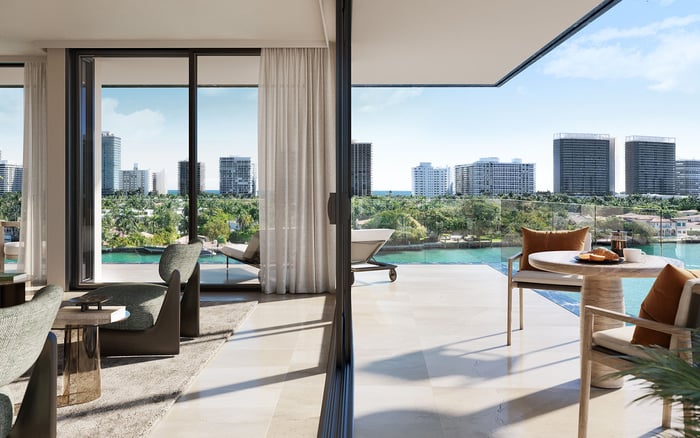
At The Surf Club, warranty due diligence begins with the individual residence, its component records and the dates that govern coverage. Understanding the distinction between statutory protections and manufacturer terms helps buyers assess what may remain after closing.
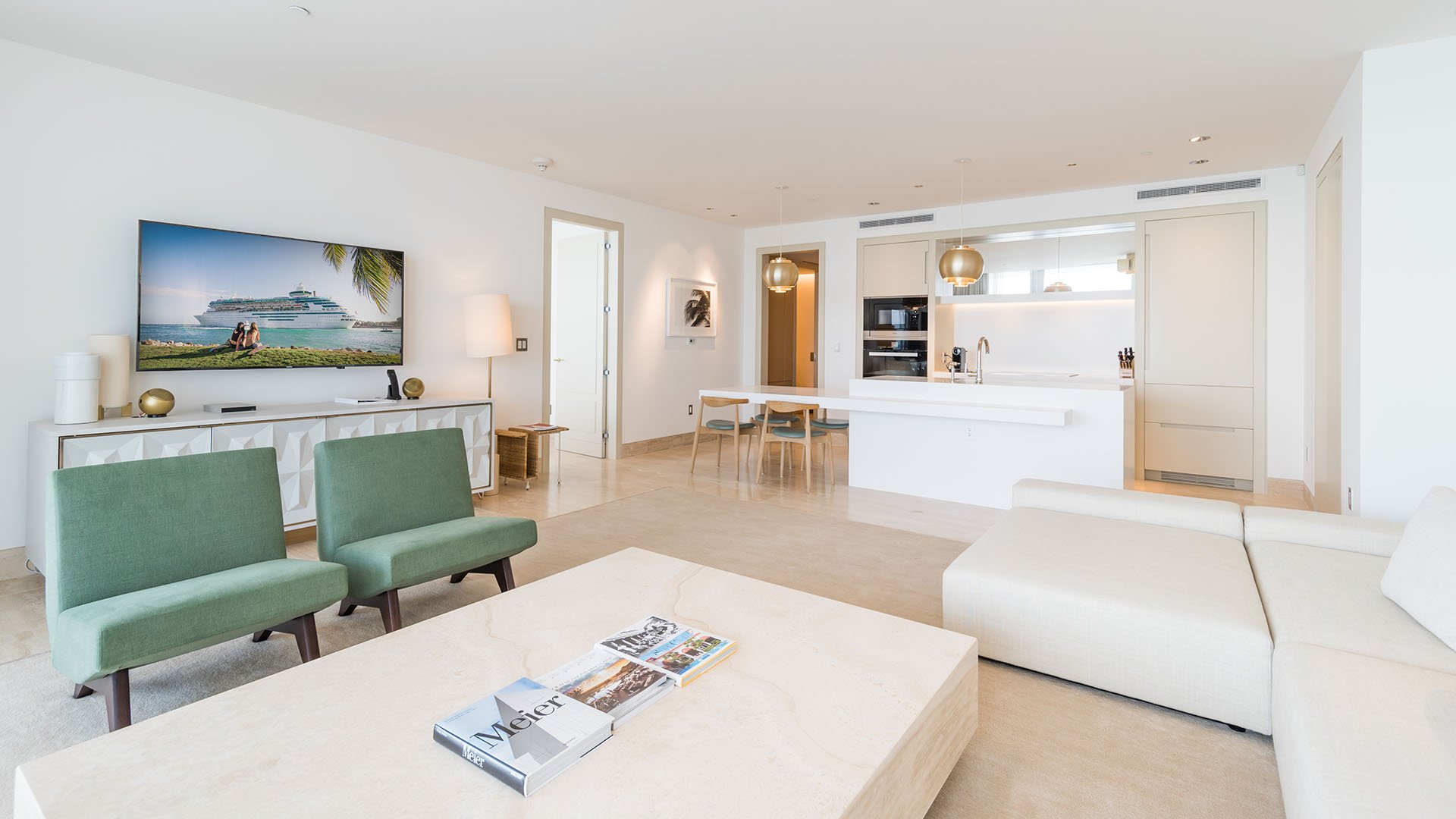
At The Surf Club Four Seasons Surfside, 9011 Collins Avenue, Surfside, ownership due diligence should give a residence's concealed workings as much attention as its finishes. An integrated refrigerator, tailored wardrobe or sculptural fitting raises two separate questions: what is being acquired, and what protection accompanies it after closing?
Residence S-511 illustrates the specificity required. Its described interiors include custom millwork, a Boffi kitchen, Sub-Zero and Miele appliances, and Ornare closet cabinetry. Those details apply to that residence, not a building-wide specification. They identify products and finishes, not confirmed warranty entitlements.
A disciplined review separates Florida statutory condominium warranties from manufacturer warranties and any documented installer or fabricator commitments. Current coverage should not factor into the purchase decision without supporting dates and documents. A resale transfers remaining statutory protection, not a fresh warranty period.
Florida Statutes §718.203 establishes implied developer warranties of fitness and merchantability, with different periods for different components. The developer's unit warranty lasts three years from completion of the building containing the unit. It does not begin anew when a buyer closes.
For roofs, structural components and specified building-serving mechanical, electrical and plumbing elements, the developer warranty period ends three years after construction completion or one year after association turnover, whichever is later, subject to a five-year maximum from completion. Mechanical elements serving only one unit are expressly excluded from that building-system category. An in-unit mechanical problem should therefore not automatically be assigned the building-system timetable.
Personal property transferred with or furnished for a unit follows a different statutory rule: the developer warranty uses the manufacturer's warranty duration and begins at closing or possession, whichever occurs first. Read that rule alongside the successor-owner provision-not as a promise that every resale restarts appliance protection.
For a Surf Club purchase, obtain the applicable completion and turnover records before calculating remaining protection. Do not assume current coverage or confuse the warranty period with the legal deadline for bringing a claim.
For each appliance, request the model and serial number, purchase invoice, installation date, warranty booklet, maintenance history and service records. Then establish whether the actual manufacturer warranty transfers, whether registration or assignment is required, and whether the relevant protection covers labor as well as parts.
Do not assign a warranty duration to Sub-Zero or Miele equipment based on the brand alone. Nor does Boffi or Ornare identification establish a particular warranty package. Match the operative terms to the component in the residence.
Ask the seller to identify repaired or replaced equipment and provide the associated paperwork. A replacement invoice warrants a separate review of the applicable terms; the original residence documentation should not be assumed to cover it.
For buyers also considering Fendi Château Residences Surfside, apply the same component-level comparison. This is a due-diligence standard, not a suggestion that the properties share equipment or warranty terms. Compare documented protection, not brand prestige.
Custom cabinetry and fixtures warrant their own inspection and document review. A warped panel or leaking fitting does not, by itself, establish a covered defect. Classification, cause, timing, maintenance and applicable terms all matter.
The one-year warranty for “all other improvements and materials” belongs to the contractor, subcontractor and supplier provisions of §718.203 and begins upon completion of all construction. It is not a universal expiration date for every millwork or fixture claim. The statute separately addresses developer unit and personal-property warranties.
That distinction matters when an issue could involve a supplied product, fabrication or installation. Request documents identifying the relevant fabricator, installer and supplier, together with any written commitments. Do not treat a cabinet finish issue and an installation issue as interchangeable before a qualified assessment.
If Arte Surfside is also on the acquisition shortlist, carry the same questions into that residence's review. The objective is not to infer identical coverage, but to compare the completeness of each ownership file before assigning value to promised aftercare.
Developer warranties and contractor-side warranties are not identical. The developer's statutory obligations address fitness and merchantability; contractor, subcontractor and supplier obligations address fitness for intended purposes.
Contractor-side coverage for roofs, structural components and specified mechanical and plumbing elements lasts three years from building completion. It does not follow the developer's turnover-based extension. The developer's specified building-system provision also includes electrical elements, while the corresponding contractor-side provision omits them.
These differences make the responsible party's identity consequential. They do not establish that every electrical issue is unprotected or every plumbing issue qualifies. Before accepting a broad assurance that something is “under warranty,” ask which component, which party, which provision and which dates support it.
Organize the handover file by item rather than collecting an undifferentiated folder of manuals. For each significant appliance, cabinetry package and fixture, the buyer's team should seek:
Model and serial numbers where applicable, plus purchase and installation records.
Actual warranty documents and any written assignments or transfer confirmations.
Maintenance logs, service invoices and repair or replacement history.
A dated record of observed conditions, photographs and relevant correspondence.
Keep construction-completion and association-turnover records separately accessible. They govern key statutory calculations but do not substitute for product-specific terms.
Routine maintenance also matters. Section 718.203 conditions its warranties on routine maintenance, unless that maintenance is the obligation of the developer or a developer-controlled association. Establish which records exist and who was responsible for the work. A service history is more useful than a general assurance that the residence was carefully maintained.
Successor owners benefit from §718.203 warranties, but only to the extent that statutory protection remains. Manufacturer transferability is a separate inquiry. Neither the property's identity nor a new closing date establishes continuing product coverage.
After closing, document a suspected defect promptly with dates, photographs, service findings and correspondence. Informal repair conversations should not replace formal notice where required. Have counsel assess the relevant parties, notice requirements and claim deadlines rather than equating the warranty's stated duration with the time available to pursue relief.
Before closing, unresolved coverage should remain an explicit purchase consideration, not disappear into expectations about service. The strongest ownership position rests on a clear record of what was transferred, what condition was observed and what protection can actually be supported.
For a considered approach to South Florida luxury ownership, explore MILLION.
If branded residences are on your mind — as a home or as an allocation — we would be glad to share what we are seeing, privately.
Begin a quiet conversationNo. The developer's three-year unit warranty runs from completion of the building containing the unit, and successor owners receive only remaining statutory coverage.
Current coverage should not be assumed. Applicable completion dates, turnover records and the individual component's warranty history must be reviewed.
The details for residence S-511 identify a Boffi kitchen, Sub-Zero and Miele appliances, custom millwork and Ornare closet cabinetry. They do not establish a building-wide specification.
Transferability must be checked against the actual manufacturer warranty. Statutory protection for successor owners does not establish product-warranty transferability.
The developer's statutory warranty for personal property transferred with or furnished for a unit begins at closing or possession, whichever occurs first, using the manufacturer's warranty duration. A resale does not restart remaining statutory coverage.
No. The one-year provision for other improvements and materials concerns contractor-side warranties; developer unit and personal-property warranties are separate provisions.
No. Coverage depends on component classification, cause, timing, maintenance and the applicable terms.
Mechanical elements serving only one unit are expressly excluded from the developer's specified building-system warranty category. Their applicable protection requires separate analysis.
Request model and serial numbers, purchase and installation records, actual warranties, maintenance logs, service history and written assignments. Completion and association-turnover records are also essential for statutory timing.
Document the condition and obtain advice about formal notice to the relevant parties. Warranty duration and legal claim deadlines are distinct and require case-specific review.