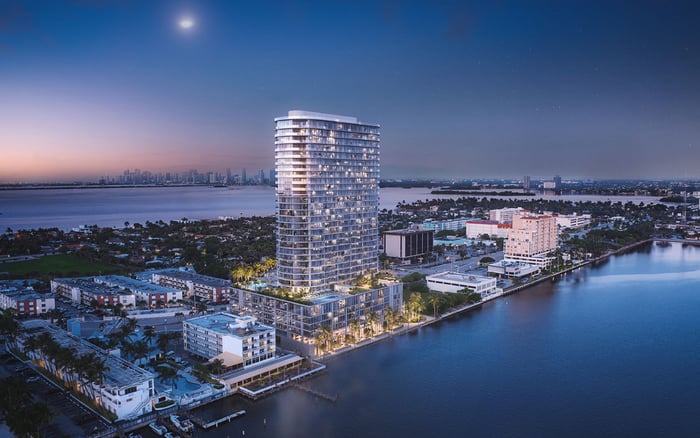
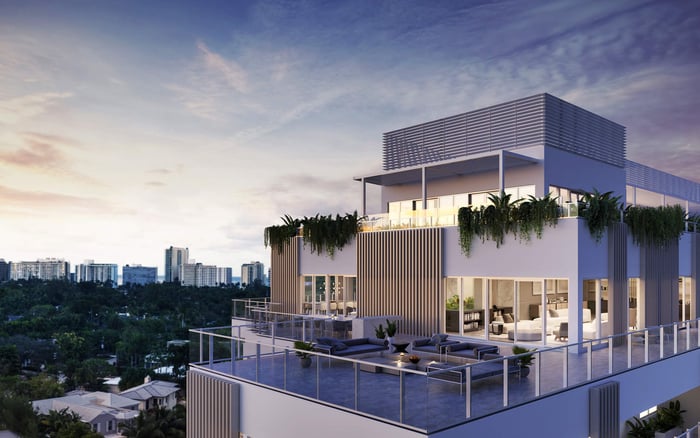
For North Bay Village buyers, the true economics of a residence extend beyond the negotiated price. Occupancy approvals, mortgage deadlines, bound insurance, and documented possession terms deserve to be evaluated together.

An asking price is easy to compare. The date a residence becomes legally occupiable, financeable, insured, and available for possession demands closer scrutiny. In North Bay Village, those milestones belong alongside price in any serious acquisition analysis.
A negotiated reduction may still be valuable. But if delivery slips beyond a mortgage lock, insurance cannot be bound, or possession remains uncertain, the buyer faces costs and inconvenience the headline number does not capture. The objective is not to assume delays outweigh every discount. It is to establish what the purchase will cost under a realistic delivery schedule.
For a buyer considering Continuum Club & Residences North Bay Village, start with a written sequence: occupancy approval, lender clearance, effective insurance, closing, and possession. This is a diligence framework, not a statement about that project's delivery status or contract terms.
In North Bay Village, land-development requirements adopted in 2019 call for a certificate of occupancy and compliance before covered premises or buildings may be used or occupied. Legal occupancy is therefore distinct from visual completion. Have counsel confirm the requirements applicable to the transaction with the Village rather than relying on the 2019 requirements alone.
Temporary certificates of occupancy are permitted for commercial or multifamily structures, but not single-family homes. That distinction matters when evaluating a condominium purchase. It does not, however, establish that a particular building has temporary approval or that a buyer must close upon its issuance.
A less visible prerequisite also matters: a certificate of occupancy cannot be issued until all fees and charges owed to the Village for the property have been paid. Municipal payment clearance can therefore become a delivery bottleneck even when a residence appears ready.
Ask for the relevant approval, its scope, any conditions, and confirmation of outstanding municipal charges. Then have counsel connect those documents to the purchase agreement. A projected completion date is not interchangeable with authorization to occupy.
A mortgage rate lock generally protects the borrower only within its specified period and subject to lender conditions. If construction timing pushes closing beyond that period, the protection may not survive unchanged. Extensions can carry daily fees; alternatives may include re-locking or accepting current rates under the lender's rules.
Before locking, request written answers on expiration, extension pricing, who pays, and what happens if the revised closing date slips again. Changes in loan amount, program, down payment, credit score, or income can also invalidate or reprice a lock. A delivery plan must therefore account for both the building's readiness and the borrower's continuing eligibility.
Extended construction-loan locks of 60-270 days may be available through builders' preferred lenders, sometimes with float-down provisions. Treat that range as a product-specific planning reference, not a guaranteed option for a North Bay Village condominium.
When evaluating Shoma Bay North Bay Village, ask the chosen lender to explain how its available products fit the anticipated closing window. Do not infer financing terms from the project name or a general description of new-construction lending.
An insurance quote is not bound coverage. A binder provides temporary evidence that coverage has been bound while full policy documents are being issued. Before releasing funds, mortgage lenders generally need acceptable proof that property insurance will be in force at closing.
An effective policy, a mortgagee clause naming the lender, and payment of the first year's premium are common homeowners-insurance closing requirements. Luxury condominium buyers should obtain a transaction-specific checklist rather than assume every general homeowners requirement applies unchanged to their financing.
As a planning reference, gather quotes 30-45 days before closing and aim to bind 7-14 days beforehand, then send the binder or declarations page to the lender and closing agent. These are planning intervals, not statutory deadlines or promises that a carrier will accept the timing.
Insurers may impose binding moratoriums during active storms, temporarily preventing new coverage or necessary policy changes. If acceptable insurance cannot be bound, the lender may withhold funding, making a closing extension necessary. That delay can add rate-lock expenses, storage costs, and temporary housing costs.
Second-home buyers should be particularly precise about what delivery means. The ability to close, the legal ability to occupy, the contractual right to possession, and access to amenities are separate questions for counsel and the seller.
For a residence at Tula Residences North Bay Village, request the same document-based review: what triggers the closing notice, whether temporary occupancy approval is relevant, when possession is provided, and what conditions govern actual move-in. These questions do not imply any particular answer for the project.
Ask separately about rental permissions and amenity access if either informs the purchase decision. Occupancy approval alone does not establish those project-specific rights. Identify any extension, termination, or other buyer remedy in the applicable documents rather than assuming it follows from delayed delivery.
Before scheduling furniture deliveries or committing to leave another home, reconcile the dates in writing. A carefully negotiated price cannot tell you when your household can arrive.
Build a simple comparison that starts with the negotiated purchase price and adds potential rate-lock extensions, any financing repricing, temporary accommodation, and storage. Use actual lender terms and service quotes where available. Keep one-time delay expenses separate from the longer-term effect of a changed mortgage rate.
Then compare an on-time scenario with a delayed scenario. The purpose is not to predict a storm or assign an unsupported dollar loss. It is to test whether the transaction remains attractive if one milestone shifts and affects the others.
If the search also includes Five Park Miami Beach, apply the same cost-and-possession framework to that comparison while checking the jurisdiction and transaction independently. North Bay Village's occupancy requirements should not be transferred to a Miami Beach purchase.
The strongest offer is not necessarily the one with the largest nominal concession. It is the one whose price, financing deadlines, insurance arrangements, and possession terms fit the buyer's intended use. Certainty has practical value, but it should be documented rather than presumed.
For a considered approach to your next South Florida residence, explore MILLION.
If branded residences are on your mind — as a home or as an allocation — we would be glad to share what we are seeing, privately.
Begin a quiet conversationDelays can add rate-lock extension fees, temporary housing, and storage costs beyond the negotiated price. Whether those costs outweigh a concession depends on the transaction.
North Bay Village's requirements adopted in 2019 call for a certificate of occupancy and compliance before covered premises or buildings may be used or occupied. Buyers should confirm applicable requirements with counsel and the Village.
North Bay Village allows temporary certificates for commercial or multifamily structures, but not single-family homes. This does not establish any specific condominium's approval status or closing trigger.
Yes, a certificate of occupancy cannot be issued until all fees and charges owed to the Village for the property are paid.
Depending on the lender's rules, options may include a paid extension, re-locking, or accepting current rates. Buyers should obtain the terms before committing to a lock.
Changes in loan amount, loan program, down payment, credit score, or income can invalidate or reprice a lock. The borrower must continue to satisfy the lender's conditions.
A planning reference is to gather quotes 30–45 days before closing and aim to bind 7–14 days beforehand. These intervals are not legal deadlines or guaranteed carrier terms.
A binder temporarily evidences that coverage has been bound while full policy documents are being issued. The lender must still find the insurance evidence acceptable for funding.
An insurer may impose a binding moratorium that prevents new coverage or necessary changes. If acceptable proof of coverage is unavailable, the lender may withhold funding and closing may need to be extended.
Occupancy approval alone does not establish a particular project's possession date, amenity access, or rental rights. Buyers should have counsel review those rights in the applicable transaction documents.