For Melbourne buyers considering Bay Harbor Islands, the purchase price is only the starting point. A disciplined comparison separates association dues, personal ownership expenses, service charges and gratuities, then tests the building’s reserve funding against its repair obligations.
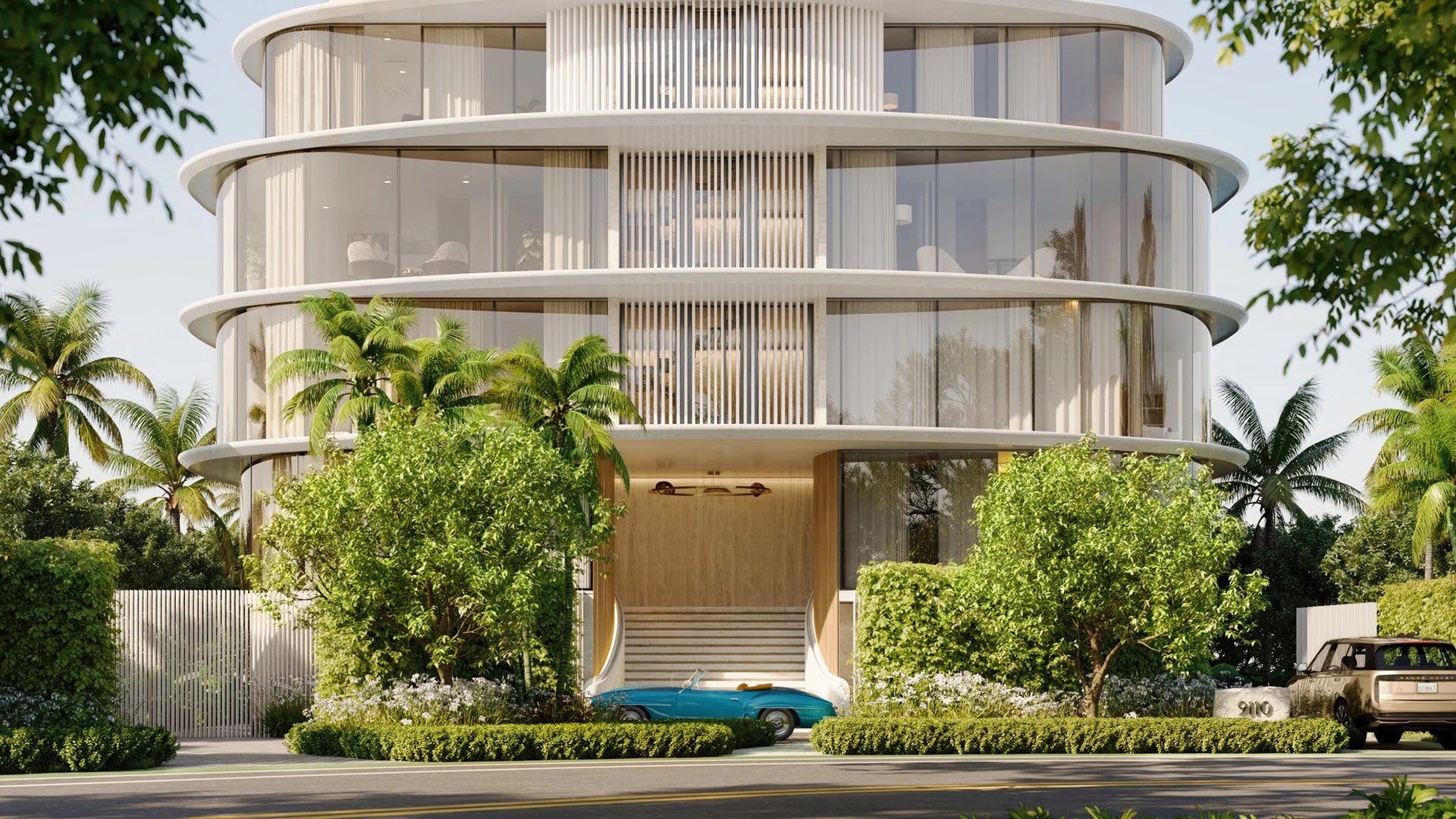
A move from Melbourne to Bay Harbor Islands calls for a different kind of property comparison. The residence must suit your daily life, but its annual obligations should be just as clear. The question is not simply what the apartment costs to acquire, but what ownership requires each year, which services that spending covers and how future building work will be funded.
For a luxury buyer, predictability deserves a place beside design and location. A lower association fee does not automatically offer better value; a higher fee does not prove stronger financial stewardship. The distinction lies in the adopted budget, service inclusions and funding commitments behind the number.
Begin with the association fee documented for the residence you are considering. Establish whether the figure is adopted or projected, what period it covers and which expenses sit outside it. A general market comparison should not substitute for that property-specific review.
When considering Alana Bay Harbor Islands, for example, obtain the fee for the specific residence and its supporting budget. Do not assign a presumed monthly cost to the project without its own documentation.
Start with twelve months of association dues. Add property tax, unit-level insurance, utilities not included in dues, separately billed services and a discretionary gratuity allowance. List assessments separately, with their payment dates. If the acquisition is financed, keep debt service visible rather than folding it into the building’s operating costs.
Keep the working structure simple:
Recurring ownership: association dues, property tax, unit-level insurance and uncovered utilities.
Service spending: mandatory charges plus optional services you expect to use.
Discretionary spending: gratuities, kept distinct from contractual charges.
Capital cash calls: approved assessments and separately identified potential exposure.
Do not add reserve contributions already included in association dues. Likewise, distinguish an assessment’s full outstanding balance from the instalments payable during your first year of ownership.
For a residence at Bay Harbor Towers, apply the same ledger without presuming any particular inclusion or charge. Obtain property-specific tax advice and insurance quotations. Keep the underlying obligations in US dollars; if planning in another currency, show the conversion separately and label your exchange-rate assumptions.
A service-rich ownership experience should come with a clear account of what is included. Do not assume that maintenance, pool care, grounds, security, connectivity and insurance are bundled identically across buildings. Confirm each inclusion in writing, including the boundary between association insurance and your unit-level cover.
Request a schedule distinguishing mandatory service charges, usage-based charges and optional services, where applicable. Ask whether any billed service charge includes a gratuity and whether management has a written tipping policy or staff gratuity arrangement.
Rather than assuming a universal Bay Harbor Islands tipping allowance, set a discretionary budget once you understand the building’s arrangements and your expected usage. If The Well Bay Harbor Islands is on your shortlist, maintain that distinction: the project name alone should not shape assumptions about included services, separate charges or tips.
Ask which milestone inspection and Structural Integrity Reserve Study, or SIRS, requirements apply to the building. Have counsel confirm applicable deadlines and funding obligations rather than relying on a general description of Florida condominium rules.
Request the applicable inspection findings, reserve study, funding schedule, reserve balance and repair commitments. Read them together: without the corresponding work programme, a balance reveals little about funding adequacy. Ask how any deferred maintenance or funding shortfall would be addressed and whether the proposed response involves recurring contributions, special assessments or other financing.
For Onda Bay Harbor, as for any candidate, request the applicable documents rather than infer reserve strength from presentation or perceived building age. Newness alone does not establish adequate funding.
Contributions, balances and repair spending are distinct measures: reserves can decline as planned work is paid for, even while owners continue contributing. An increase in contributions should therefore be evaluated alongside the work those contributions are intended to fund.
Do not impose an arbitrary annual escalation rate and treat it as the association’s forecast. Build the baseline around adopted contributions, documented future funding and scheduled expenditure. Keep unresolved repair exposure separate so it remains visible.
If the association reports a pause or reduction in reserve contributions, request its supporting documentation. Ask counsel to verify the legal basis and conditions, and ask management how future obligations will be funded. A temporary reduction should not be treated as evidence that those obligations have disappeared.
Before committing, request three to five years of available budgets and fee history, the current adopted budget, applicable inspection and SIRS documentation, approved or proposed assessments, and details of any reserve-funding pause. Ask how committed repairs will be paid for and when contributions are expected to resume or change.
Then compare a documented annual baseline with a separate scenario for unresolved costs. Label assumptions explicitly. Do not conceal uncertainty within a reassuring single total.
The strongest property decision pairs a residence you want to inhabit with an ownership budget you can understand and sustain.
Explore your Bay Harbor Islands property options with MILLION.
If branded residences are on your mind — as a home or as an allocation — we would be glad to share what we are seeing, privately.
Begin a quiet conversationRequest the fee for the specific residence and its supporting budget. Confirm whether the figure is adopted or projected and which expenses it includes.
No; compare the fee’s service inclusions and funding commitments before drawing that conclusion. Review the adopted budget rather than judging the monthly figure alone.
Add property tax, unit-level insurance, uncovered utilities, separately billed services and discretionary gratuities. Show assessment payments separately and avoid adding expenses already included in dues.
Not when they are already included in the association fee. Review the adopted budget to identify the reserve allocation and avoid counting it twice.
Ask management about its tipping policy and whether service charges include gratuities. Set a discretionary allowance based on those arrangements and expected usage rather than assuming a universal local amount.
Request the building’s applicable inspection documents and ask counsel to confirm its requirements and deadlines. Do not rely solely on a general summary of condominium rules.
Review the applicable reserve study, funding schedule, inspection findings and repair commitments. The balance alone does not establish whether planned work is adequately funded.
Use adopted contributions, documented future funding and scheduled expenditure rather than an arbitrary annual increase. Keep unresolved repair exposure separate from the documented baseline.
Request supporting documentation and have counsel verify its legal basis and conditions. Ask management how future obligations will be funded and when contributions are expected to resume or change.
Request three to five years of available budgets and fee history, the current adopted budget, applicable inspection and SIRS documentation, and approved or proposed assessments. Obtain details of any reserve-funding pause and the funding plan for committed repairs.