For yacht owners buying a Coral Gables primary residence, renovation freedom deserves the same scrutiny as the interiors. Request scope-specific approvals, contractor-entry rules, a workable renovation calendar, and documented furniture-package terms before committing.
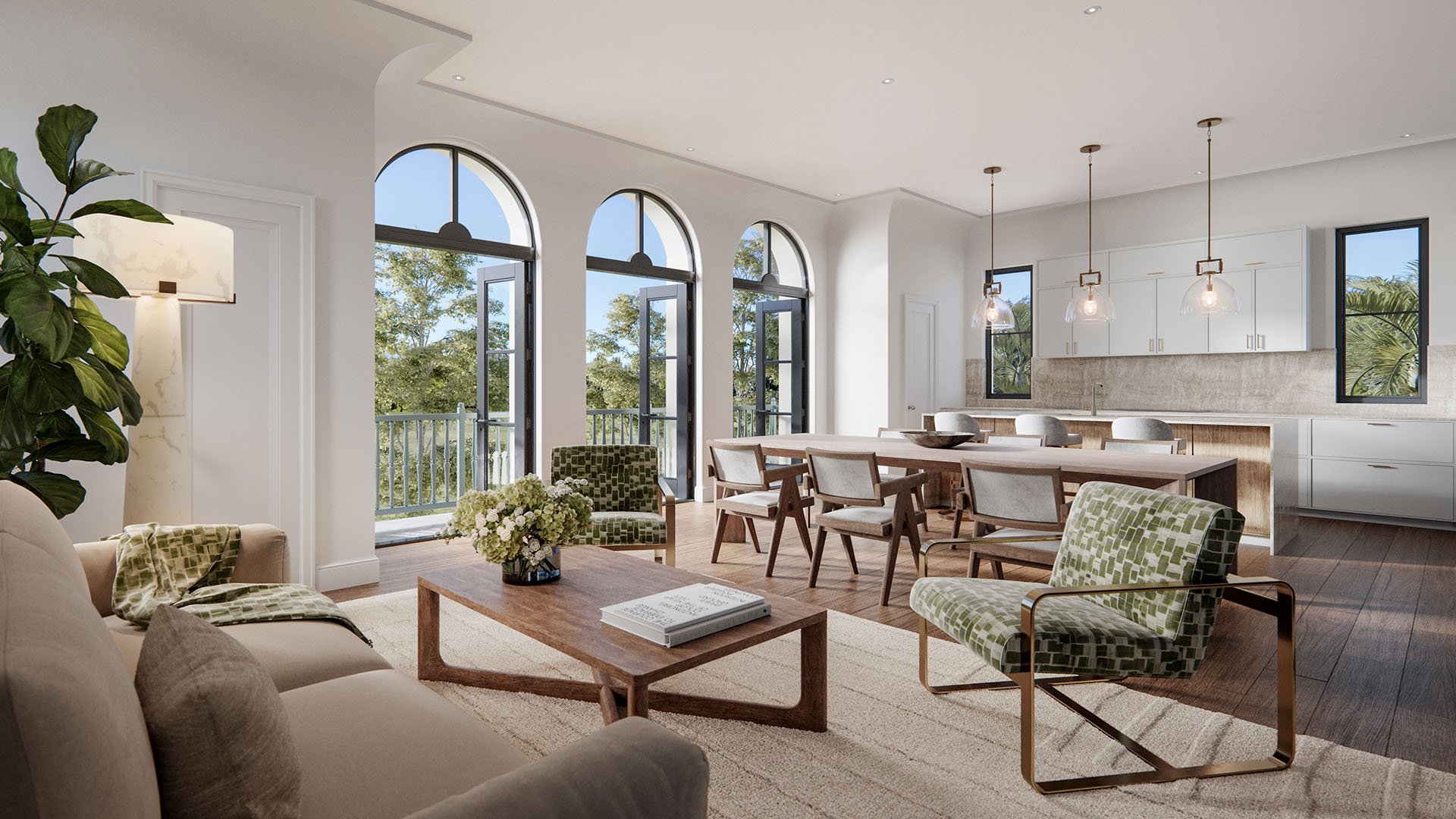
For a yacht owner choosing a primary residence in Coral Gables, the decisive luxury is control: knowing what can be changed, who can enter to complete the work, and whether the home will be ready when life returns ashore. A beautifully furnished residence does not answer those questions. They belong in the purchase conversation, before a departure date becomes a renovation deadline.
Request a coordinated set of documents covering interior approvals, contractor access, permitted work periods, and furniture inclusions. Treat each as a separate issue. Permission to renovate does not, by itself, resolve municipal permitting, establish an unrestricted work schedule, or document ownership of the furnishings on display.
When considering Ponce Park Coral Gables, make these questions part of the property-specific review rather than inferring renovation flexibility from the design presentation. The answers must be established in the documents applicable to the residence being purchased.
Start with a written description of the intended work. Separate decorative changes from flooring replacement, layout revisions, and plumbing, electrical, or mechanical work. Ask the architect or general contractor to identify the approval and permit requirements for each component.
For an association-governed property, ask your team to confirm what scope-approval documentation Coral Gables and the association require, including any sound-attenuation specifications for floor replacement. Request written approval identifying both the flooring and its acoustic system where applicable. A general reference to an approved renovation is less useful than a document that matches the specifications your team intends to install.
For condominium layout changes, confirm whether the work affects common elements or association property. Have counsel identify any applicable approval procedures under the declaration and Florida law. Do not assume that everything accessible from inside the residence is exclusively yours to alter.
Ask who has approval authority, what submission materials are required, and whether a revised design needs another review. If approval is essential to the purchase, discuss a pre-closing scope review and an appropriate contingency with counsel. Treat these as negotiating requests rather than assumed buyer entitlements.
The first distinction is the governing structure, not the architectural style. For an HOA-governed waterfront house, request the applicable covenants and architectural or construction-improvement review criteria. Ask counsel to review those controls and any statutory limitations rather than carrying the condominium framework over to a house.
For a residence under consideration at The Village at Coral Gables, establish which governing documents apply before discussing alterations. This is a due-diligence question, not a statement about the project’s particular restrictions.
Have counsel distinguish the approval procedure from the substantive limits on the work. Knowing where to submit a drawing is not the same as knowing whether the proposed alteration is permissible. Keep any dock-related review separate from the interior discussion; interior approval is not evidence of dock authorization.
Do not assume ownership means unrestricted contractor access. Obtain management’s current entry and coordination procedures before closing, then ask the contractor how they affect the proposed sequence of work.
The practical questions are specific: How are workers registered? Who authorizes entry? What documentation is required? Must deliveries or service routes be reserved? What arrangements apply to debris removal and protection of shared areas? These are points to verify, not assumed requirements at every property.
Request the permitted hours for ordinary work and any separate restrictions on noise or dust. Do not treat a schedule used elsewhere as a Coral Gables standard. Obtain any holiday restrictions and prohibited-work dates as well.
For an owner traveling by yacht, designate a local representative and ask management what authorization that person needs. Agree with the contractor on who handles access problems, design questions, and delivery changes while you are away. A named decision-maker is more useful than an expectation of informal coordination.
Before scheduling work, ask your architect or general contractor to confirm Coral Gables’ permit requirements for the proposed scope and document any applicable exemption or waiver. Keep association approval and municipal permission as separate checkpoints in the schedule.
Ask your architect or general contractor to identify applicable plumbing, electrical, and mechanical sub-permits. Then request a sequence showing design completion, association review, permit issuance, contractor onboarding, work, and any required inspections. Keep proposed dates distinct from confirmed permissions.
For a primary residence, align that sequence with the date you need to occupy the home, not merely the date you leave aboard the yacht. Request a fallback plan if approvals or access arrangements remain unresolved. Do not base a purchase commitment on an assumed permit-processing duration or a generic completion estimate.
When evaluating Cora Merrick Park, make the same distinction between desired occupancy and documented readiness. Project-specific approvals and scheduling conditions require their own review.
A furniture package deserves a separate written discussion. Request a room-by-room inventory, photographs identifying the agreed items, and clear terms for exclusions, substitutions, and removal responsibilities. Ask whether the package is included in the negotiated price or addressed separately.
Request evidence of the seller’s ownership and authority to transfer the listed items. Ask specifically whether anything is leased, staged, financed, or subject to a third-party claim, and have counsel determine the appropriate documentation or contractual protection. An item’s presence in the residence is no substitute for that inquiry.
Coordinate logistics at the same time. Ask which delivery routes may be used, whether moving arrangements require advance approval, and when unwanted furniture can leave. Do not assume the lobby is an available route. A documented package should address both what you expect to receive and how retained or replacement pieces will reach their final rooms.
Before committing, assemble the scope-specific approval documents, governing rules, contractor protocol, work calendar, and furniture schedule for coordinated review. Ask counsel which unresolved items should become negotiated conditions and what happens if a necessary approval is not obtained.
Also request information about planned association work and access arrangements during your absence. Have counsel explain any association access rights under the governing documents and applicable law, including the circumstances and hours of entry. Do not assume a completed private renovation resolves future access questions.
The objective is not unlimited discretion. It is a residence whose permissions, practical constraints, and transfer terms are understood before the keys change hands.
For a considered approach to your Coral Gables primary-residence search, connect with MILLION.
If branded residences are on your mind — as a home or as an allocation — we would be glad to share what we are seeing, privately.
Begin a quiet conversationRequest scope-specific interior approvals, governing documents, contractor-access procedures, permitted work dates, and a detailed furniture inventory. Review these together before relying on a renovation or occupancy plan.
No; keep association review and municipal permitting as separate checks. Ask your architect or contractor to confirm the permit requirements and document any applicable exemption or waiver.
Request approval identifying both the proposed flooring and its sound-attenuation system where applicable. The documentation should match the specifications intended for installation.
A change may affect common elements or association property. Have counsel identify the applicable approval procedures under the declaration and Florida law.
Do not assume that right. Discuss a pre-closing scope review or approval contingency with counsel as a proposed negotiating term.
Obtain entry and coordination procedures, permitted work hours, and any noise, dust, or prohibited-work restrictions. Ask separately about delivery routes and authorization for a local representative.
Sequence association review, applicable permits, contractor onboarding, work, and required inspections before relying on an occupancy date. Separate proposed dates from confirmed permissions and request a fallback plan.
Request an itemized inventory, clear inclusion and exclusion terms, and evidence of the seller’s ownership and authority to transfer the items. Ask counsel to address any staging, leasing, financing, or third-party claims.
Ask counsel to explain any continuing access rights under the governing documents and applicable law, including the circumstances and hours of entry. Confirm arrangements for access while you are away.
Do not assume they do. Request the house’s applicable covenants and architectural or construction-improvement criteria, then have counsel review the relevant HOA framework.