A buyer-focused comparison of terrace ownership at ORA and Una, covering preliminary maintenance estimates, responsibility allocations, unit-specific wind questions, and written storm-preparation obligations.
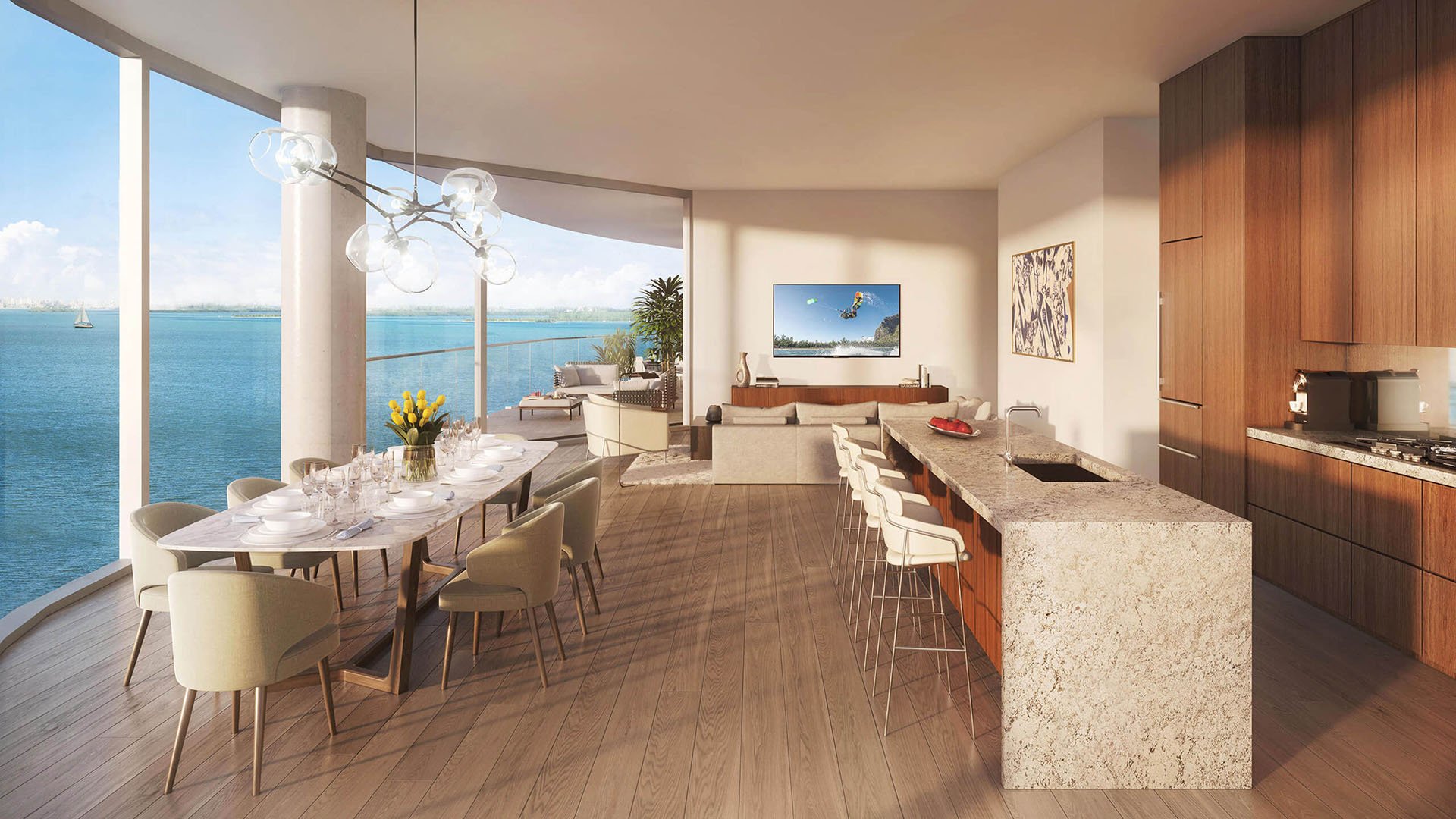
A private terrace should extend the pleasure of a Brickell residence, not introduce uncertainty into its ownership. For buyers comparing ORA by Casa Tua Brickell with Una Residences Brickell, the consequential questions go beyond the furniture plan: who maintains each surface, what the assessment covers, and who acts when a storm approaches.
The available information does not establish a cost winner. ORA’s maintenance estimates are preliminary and inconsistent, while Una’s current assessment and a comparable terrace-maintenance cost are not established here. Neither a skyline view nor a waterfront address resolves those questions.
The strongest comparison is residence-specific. Request written obligations and unit-level figures before treating either outdoor space as simpler, less expensive, or easier to leave unattended.
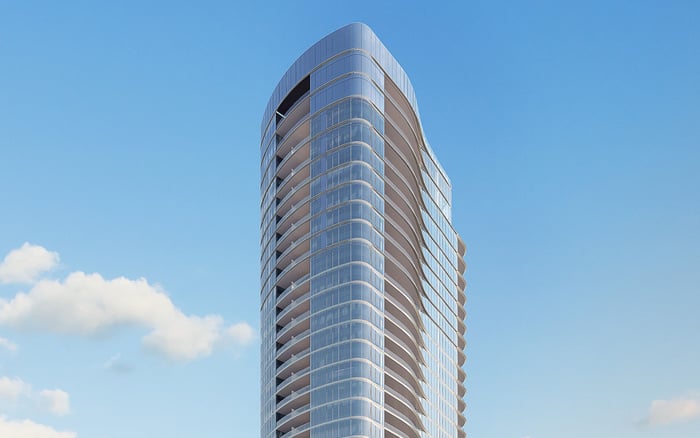
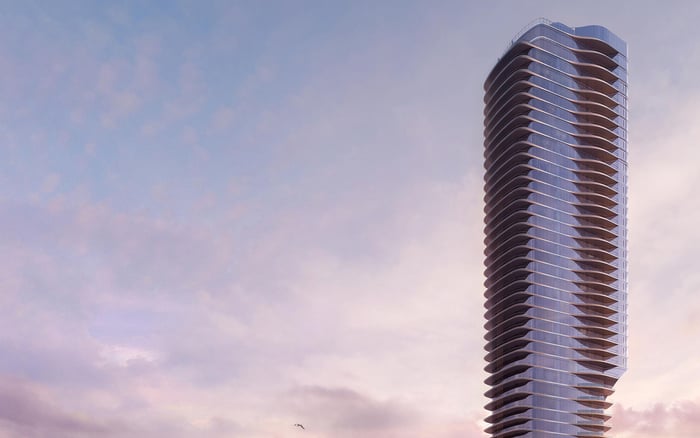
ORA is planned at 1210 Brickell Avenue, Miami, FL 33131, with a projected 2028 completion. That date is a development estimate, not a guaranteed delivery commitment. Una is a waterfront condominium at 175 SE 25th Road, overlooking Biscayne Bay in Brickell.
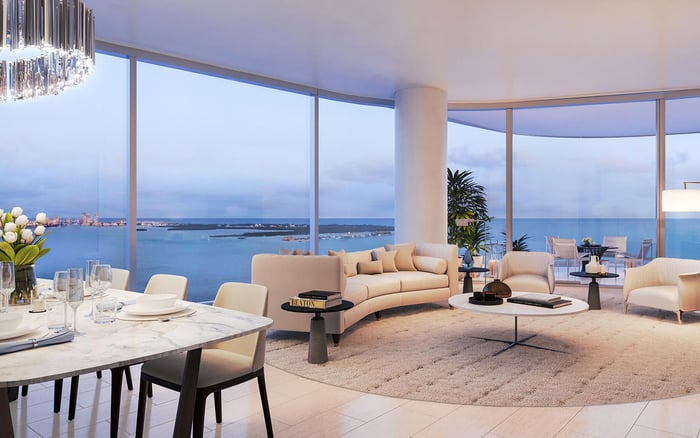
Those settings provide context, not an engineering comparison. ORA’s unit 7001 is described as having an open balcony and a non-waterfront classification, alongside advertised ocean and skyline views. A view description is no substitute for a terrace-specific exposure assessment.
For each candidate residence, request written guidance on its floor, orientation, terrace configuration, and any restrictions on outdoor furnishings. Ask whether unit-specific wind information is available and what it means for permitted use. A terrace-by-terrace wind-load classification or unit-specific exposure study for ORA is not established here. That does not mean such information does not exist; buyers should request it rather than infer it from the address.
An indicative ORA maintenance estimate is approximately $1.75 per square foot per month, with actual maintenance varying by unit. Another estimate is approximately $1.45 per square foot. Neither is a final assessment, and buyers should not assume the figures share an identical calculation basis.
Before multiplying either number by a floor-plan area, obtain the proposed assessment for the exact residence. Ask which square footage or ownership allocation determines the charge. Do not assume terrace area is included or excluded, or that the area shown in marketing is the basis for the assessment.
Request an explanation of what the assessment includes, not simply the total. Which terrace services ORA’s assessment covers remains unestablished here, as does a final owner-by-owner terrace-maintenance schedule.
For Una, request the current unit assessment and the same service breakdown. Without matching responsibility categories, a comparison of monthly dues could overlook separately paid work. Keep recurring assessments, owner-arranged maintenance, and potential preparation charges on separate lines in the ownership budget.
Treat the terrace as a set of responsibilities rather than a single amenity. A useful written schedule should identify who arranges the work, who pays, who approves contractors, and whether access must be coordinated through management.
Ask for explicit allocations covering:
Terrace finishes, including cleaning, repairs, replacement, and alteration approvals.
Waterproofing, including inspection, damage investigation, and restoration responsibility.
Drains, including routine clearing and the response to a blockage or water intrusion.
Railings, windows, and sliding doors, including maintenance and repair obligations.
These are diligence requests, not statements of either building’s rules. Ask whether responsibility changes when work concerns a structural component rather than a decorative finish, or when an owner’s installation contributes to damage. Have counsel review the governing language rather than rely on an informal assurance that the building handles everything.
For buyers also considering The Residences at 1428 Brickell, use the same responsibility schedule. Consistent questions make competing residences easier to evaluate without presuming their services or restrictions are equivalent.
Una’s waterfront setting is an important lifestyle distinction. It does not, by itself, establish a quantified terrace-maintenance premium attributable to salt air, wind, rain, or moisture. Nor does it establish greater wind exposure than a particular ORA residence.
Rather than assign an arbitrary waterfront surcharge, ask for maintenance instructions for the terrace’s actual finishes and fittings. Request any available inspection schedule, recommended cleaning regime, and written guidance on approved outdoor materials. Where an owner must commission work, obtain a residence-specific proposal before adding the expense to an annual budget.
Keep everyday usability separate from storm requirements. A terrace’s appeal for dining or lounging does not establish which furnishings may remain outside during severe weather. Ask for each answer independently, with any qualifications in writing.
A binding storm-securement checklist for ORA is not established here. Nor is a complete rulebook for Una covering furniture, planters, grills, umbrellas, drainage, or pre-storm removal obligations. These are unanswered diligence questions, not evidence that restrictions are absent.
Request the applicable rules before ordering outdoor pieces. Confirm what must be removed, what may be secured, which methods are permitted, and what deadline triggers action. Ask where furniture can be stored and whether storage is an owner responsibility or an expressly provided service.
For an absentee owner, the essential question is who will carry out the plan. Establish whether management can enter the residence, what authorization is required, whether an outside caretaker is permitted, and whether preparation or emergency charges apply. Do not assume a service-oriented building automatically includes terrace clearance.
Finally, obtain written explanations of master-policy deductibles and the owner’s coverage responsibilities for terrace contents and storm damage. Ask your insurance adviser how the proposed coverage aligns with the condominium documents; a securement plan does not resolve insurance questions.
For ORA, carefully review the developer documents with counsel, alongside the applicable budget, governing documents, maintenance allocations, and storm instructions. Any unresolved obligation should remain an open purchase question, not become an assumed service.
The better fit is the residence whose outdoor experience and documented responsibilities suit your ownership pattern. A seasonal owner may place particular value on a workable absence plan; a full-time resident may focus more closely on permitted furnishings and maintenance access. Neither preference establishes a universal cost winner.
For a considered approach to Brickell ownership, explore MILLION.
If branded residences are on your mind — as a home or as an allocation — we would be glad to share what we are seeing, privately.
Begin a quiet conversationThe available information does not establish a cost winner. A meaningful comparison requires each residence’s assessment and written allocation of terrace expenses.
An indicative estimate is approximately $1.75 per square foot per month, while another estimate is approximately $1.45 per square foot. Neither is a final unit assessment, and their calculation bases should be confirmed.
Do not assume it is included or excluded. Request the square footage or ownership allocation used to calculate the exact residence’s dues.
Request responsibility allocations for finishes, waterproofing, drains, railings, windows, and sliding doors. Clarify who arranges, approves, and pays for the work.
No quantified terrace-maintenance premium is established by its waterfront location alone. Obtain residence-specific maintenance guidance and pricing instead of assuming a surcharge.
The available information does not establish that comparison. Ask for unit-specific exposure guidance rather than drawing conclusions from waterfront status or views.
The information provided here does not establish a binding ORA checklist or a complete Una terrace rulebook. Request the applicable written rules, including removal deadlines and permitted securing methods.
Confirm who will clear or secure the terrace, where contents will be stored, and what access authorization is required. Ask whether preparation or emergency charges apply.
Obtain written explanations of master-policy deductibles and responsibility for terrace contents and storm damage. Have an insurance adviser review how the owner’s coverage aligns with the condominium documents.
No. The projected 2028 completion is a development estimate rather than a guaranteed delivery date.