A buyer-focused framework for evaluating leak detection, emergency access, water shutoffs, insurance responsibilities, and damage-response practices at two Miami Beach residences.

In a finely appointed Miami Beach residence, the most consequential ownership questions often concern systems out of sight. Water-leak detection, access to shutoff valves, and the sequence of an emergency response deserve the same scrutiny as the floor plan. For a buyer, the objective is not simply to locate equipment. It is to establish who acts, under what authority, and who bears financial responsibility.
At Apogee South Beach and The Ritz-Carlton Residences® Miami Beach, the available information does not establish standard unit-level leak detection, automatic shutoffs, or guaranteed water-emergency response times. That does not mean those protections are absent. It means a purchase decision should rest on written, residence-specific confirmation-not assumptions about prestige or service.
The essential distinction is between an amenity description and an operating commitment. A sensor, a notification service, and a documented damage-response protocol are separate protections to verify.
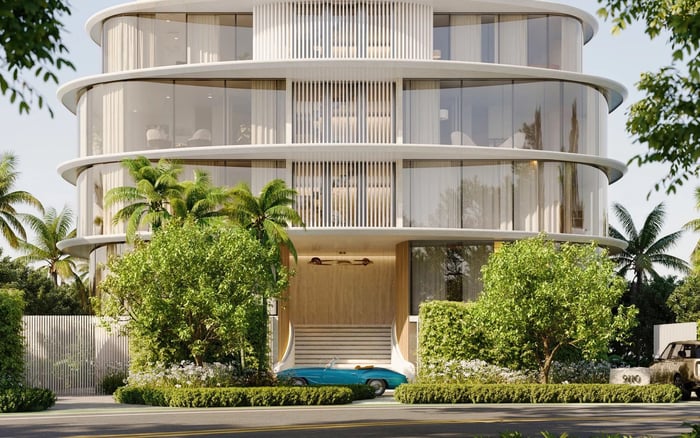
Apogee South Beach is at 800 S. Pointe Drive, Miami Beach, FL 33139, in South of Fifth. Begin the ownership review with the declaration, bylaws, estoppel certificate, and recent association meeting minutes. Review them alongside the current budget, reserve study, milestone-inspection status, and structural integrity reserve study status.
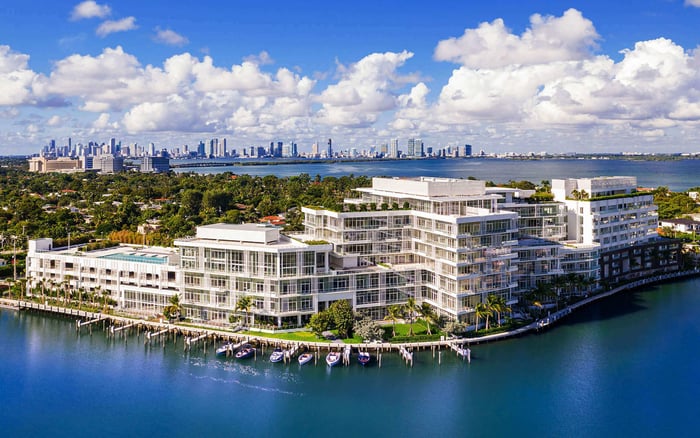
The Ritz-Carlton Residences® Miami Beach is at 4701 N. Meridian Avenue, Miami Beach, FL 33140, in Mid-Beach, with a lakefront setting on Lake Surprise. It should not be confused with similarly named South Beach residences. For accurate representations, buyers should consult the brochure and condominium documents required under Florida Statutes §718.503 rather than rely on promotional language alone.
For both properties, ask management to connect each answer to the relevant document, agreement, or installed system. A general assurance that water emergencies are handled is less useful than a clear account of what happens inside the residence being purchased.
Begin with a written equipment inventory. Are leak sensors installed in the residence? Which locations do they cover, and are they association-provided or owner-installed? Ask who owns, tests, maintains, and replaces them. Confirm their current operating status; an installation record alone does not establish ongoing maintenance.
Then address water isolation separately. Does the residence have a whole-unit automatic shutoff, and what triggers it? Can an authorized person close it remotely, or is physical access required? Ask management to identify the unit valve and relevant master shutoffs, along with the people authorized to operate them.
The distinction matters when interpreting an answer such as “the apartment is monitored.” Ask whether an alarm reaches the owner, building personnel, an outside provider, or some combination. Establish who acknowledges the alarm and whether that acknowledgment initiates a defined response procedure.
Request the maintenance agreement, testing schedule, and any records of unresolved faults. These are due-diligence requests, not descriptions of equipment confirmed at either building. The goal is to understand the full sequence: detection, notification, authority to act, and water isolation.
For a residence used intermittently, ask what changes when the owner is away. Are unoccupied units monitored, and must owners register travel dates or provide updated emergency contacts? Does the procedure depend on the owner answering a telephone call, or can authorized personnel proceed without that approval?
Emergency access deserves a separate written explanation. Who can enter, where is that authority documented, and what arrangements apply if the owner has changed locks or uses a private property manager? Request the procedure for coordinating access with the owner's representative. Concierge availability alone does not establish emergency-entry rights.
A practical test is to ask management to describe its response to a water alarm in an empty residence outside normal business hours. Who receives it first? Who is dispatched? Who can isolate the supply? What happens if the first contact cannot be reached?
Ask whether response times are contractual commitments, internal targets, or customary practice. No guaranteed water-emergency response time is established here for either association, so a buyer should not attach a service expectation to the address alone.
The next question is what follows detection. Request written emergency procedures, relevant management and vendor agreements, and available incident records. Ask who coordinates damage assessment, remediation, and communication with affected owners. Establish how the association records the actions taken and how an owner obtains updates.
Separate four questions in the cost review: who repairs the failed plumbing component, who authorizes immediate mitigation, who restores damaged interiors, and who ultimately pays. Do not assume one answer governs all four. Ask counsel to assess responsibility under the governing documents and the circumstances of a potential loss.
Request five years of available water-loss claims information, applicable deductibles, open remediation matters, and pending plumbing projects. Where access to individual records is restricted, ask what summaries can be provided. Distinguish resolved incidents from continuing work, without presuming either property has a particular claims history.
Review owner insurance separately with an insurance professional. Neither building's coverage, deductibles, exclusions, nor allocation of water-damage costs is established here. Ask specifically how the proposed owner policy would interact with the association's insurance and documented repair obligations.
Brand identity should not substitute for confirmation of a particular system or emergency standard. For the Meridian Avenue property, the statutory condominium documents are central to evaluating representations. Request operational answers in writing and have advisers assess how they relate to the governing documents.
Apply the same discipline when a search extends to Five Park Miami Beach: use an identical questionnaire rather than infer protection from presentation. This is a comparison method, not a claim that the projects share equipment, staffing, insurance terms, or response procedures.
A useful comparison sheet separates installed coverage, alarm recipients, shutoff authority, emergency access, maintenance responsibility, response commitments, and cost allocation. Mark each answer as documented, awaiting confirmation, or dependent on the individual residence. That keeps a polished sales experience from obscuring practical ownership distinctions.
Before closing, review the operational answers alongside the financial documents. Ask whether pending plumbing work has approved funding, whether equipment maintenance is included in association expenses, and whether the owner must budget separately for installation, servicing, or replacement. Treat unanswered questions as unresolved diligence, not evidence of a defect.
The strongest ownership position is a documented understanding of prevention, intervention, and financial responsibility. Neither property can be ranked on water-loss readiness from the information established here. A buyer can, however, insist on the same standard of clarity at both.
For a discreet approach to evaluating Miami Beach ownership, explore MILLION.
If branded residences are on your mind — as a home or as an allocation — we would be glad to share what we are seeing, privately.
Begin a quiet conversationStandard unit-level leak sensors are not established by the available information. Ask for written confirmation of the equipment installed in the specific residence.
A standard automatic shutoff system is not established here. Verify installation, activation conditions, remote capabilities, and maintenance responsibility with management.
No guaranteed response time is established here for either building. Ask whether any stated timing is a contractual commitment, internal target, or customary practice.
Apogee South Beach is at 800 S. Pointe Drive, Miami Beach, FL 33139, in South of Fifth.
It addresses The Ritz-Carlton Residences® Miami Beach at 4701 N. Meridian Avenue in Mid-Beach, on Lake Surprise. It does not address similarly named South Beach projects.
Request the declaration, bylaws, estoppel certificate, recent meeting minutes, current budget, and reserve study. Also review milestone-inspection and structural integrity reserve study status.
Ask who may enter an unoccupied residence, how that authority is documented, and whether action depends on reaching the owner. Confirm emergency contacts and access arrangements in writing.
The allocation is not established here for either property. Have advisers review governing documents, insurance terms, and the distinction between repairing plumbing and restoring interiors.
Request five years of available water-loss claims information, deductibles, open remediation matters, and pending plumbing projects. Ask for summaries where individual records cannot be provided.
Branding does not establish specific equipment or response commitments. Verify operational practices in writing and review the applicable condominium documents.