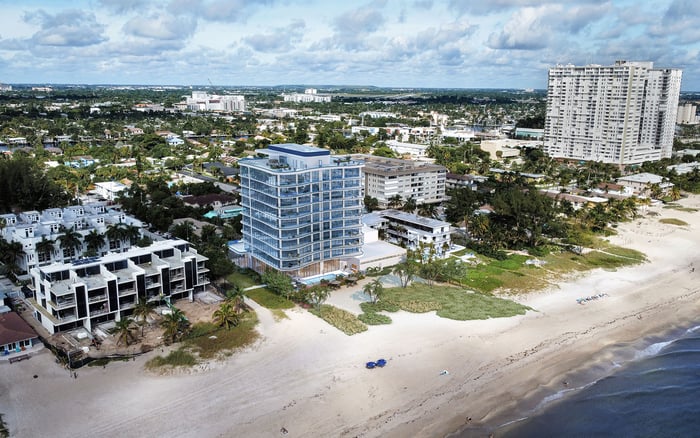
A seasonal ownership plan should test the full annual cost, operating rules, insurance structure, absence protocols, peak-season service, and eventual resale logic.

Buyers considering Armani Casa Residences Pompano Beach should evaluate more than how a residence may feel during a winter stay. A successful second-home purchase also depends on how reliably the property can operate throughout the year, including the months when the owner is elsewhere.
For buyers considering branded residences, the brand may shape expectations for interiors, common areas, service, and long-term presentation. It does not replace financial diligence or operational planning. The most useful approach is practical: define the intended routine first, then test the condominium documents, budget, insurance structure, and management systems against it.
A seasonal owner should construct an annual ownership model rather than allocate expenses only across the months in residence. Condominium assessments, property taxes, insurance, utilities, climate control, monitoring, and other costs can continue while the home is vacant. The relevant question is not what one season costs, but what one full year requires.
Build base, high-cost, and severe-cost scenarios. Each should account for assessments, insurance contributions, utilities, property management, vacancy oversight, and potential storm-related expenses. Association budgets, reserve information, insurance allocations, and the possibility of assessments all belong in the analysis.
This discipline also sharpens comparisons among local alternatives. Buyers reviewing The Ritz-Carlton Residences® Pompano Beach should apply the same annual framework. Brand, amenities, and architecture matter, as do recurring obligations and the quality of association governance.
A master insurance policy and an individual unit-owner policy serve different purposes. Buyers should determine what the association insures, what remains the owner's responsibility, how deductibles may be allocated, and whether improvements, furnishings, liability, or loss-related expenses require separate protection.
Insurance contributions also warrant stress testing. A new building or recognized brand does not, by itself, guarantee stable premiums. Before purchasing, request the latest insurance summary and review it alongside the declaration, budget, reserve information, management agreement, rules, and purchase-contract disclosures. The objective is not to predict a single future expense, but to understand which party carries each risk and how the ownership budget responds if costs rise.
Seasonal use is not a single operating category. The residence may remain vacant, accommodate family or guests, or potentially be rented during the owner's absence. Each option can trigger different rules, approvals, access procedures, insurance considerations, and management demands.
Review the condominium rules before assuming that preferred rental periods, guest stays, alterations, deliveries, or furnishing decisions will be permitted. If rental income forms part of the ownership thesis, verify the applicable restrictions rather than treating revenue as an automatic offset to carrying costs.
Apply the same test when comparing W Pompano Beach Hotel & Residences and Waldorf Astoria Residences Pompano Beach. The central operational question is whether each property's documented framework aligns with how the owner intends to use the home.
A polished lobby does not reveal every aspect of daily circulation. Model arrival and departure as a sequence: parking or valet operations, elevator access, luggage handling, deliveries, service appointments, and movement between the residence and shared amenities. Consider how those functions may feel during peak winter occupancy, when staffing and amenity operations can have an outsized effect on convenience.
Design standards warrant similar attention. Buyers should determine how association standards or design controls might affect future renovations, replacement materials, furniture deliveries, and installation work. A consistent aesthetic can support the ownership experience, but it may also require additional approvals or narrower choices.
An extended absence turns property care into a standing responsibility. The plan should identify who monitors the unit, maintains climate settings, coordinates maintenance access, prepares for storms, and conducts post-storm inspections. It should also establish who has authority to communicate and act if the owner cannot respond quickly.
These arrangements should be priced into the annual model and documented before the first extended departure. Buyers exploring the broader Broward coastline, including Rosewood Residences Hillsboro Beach, can apply the same discipline: define who acts, what they inspect, and how access is authorized.
Brand recognition may contribute to buyer interest, perceived design continuity, and a property's positioning. A resale model should nevertheless separate that potential advantage from broader considerations, including future carrying costs, association governance, and buyer demand in Pompano Beach.
An exit thesis should not depend on branding alone. Model several holding periods and cost environments, then ask whether the residence still works if appreciation is slower than hoped. The strongest seasonal purchase remains satisfying as a home and supportable as an annual commitment.
Should seasonal buyers budget only for occupied months? No. Assessments, taxes, insurance, utilities, monitoring, and other expenses can continue throughout the year.
What financial scenarios should a buyer prepare? Build base, high-cost, and severe-cost cases covering recurring obligations, vacancy oversight, and potential storm-related expenses.
Does the association's master policy cover everything? Buyers should make no such assumption. They should distinguish association coverage from the risks and property that may require individual unit-owner insurance.
Can a new branded building still face insurance increases? Yes. New construction and branding do not guarantee stable premiums, so insurance contributions should be stress-tested.
What documents should be reviewed before purchase? Request the latest declaration, budget, reserve information, insurance summary, management agreement, rules, and contract disclosures.
Should rental income be included in the initial model? Only after applicable rental rules, approval procedures, insurance implications, and realistic operating costs have been verified.
Why do guest rules matter to a seasonal owner? Guest stays may involve registration, access, duration, or occupancy requirements that affect the owner's intended routine.
How can design controls affect ownership? Association standards may shape renovations, replacement finishes, furniture selections, deliveries, and installation procedures.
What should an absence plan include? It should cover monitoring, climate control, maintenance access, storm preparation, post-storm inspection, and decision authority.
How should buyers think about future resale? Separate potential brand appeal from carrying costs, governance, local demand, and the broader market environment.
If you'd like a private walkthrough and a curated shortlist, connect with MILLION.
If branded residences are on your mind — as a home or as an allocation — we would be glad to share what we are seeing, privately.
Begin a quiet conversation