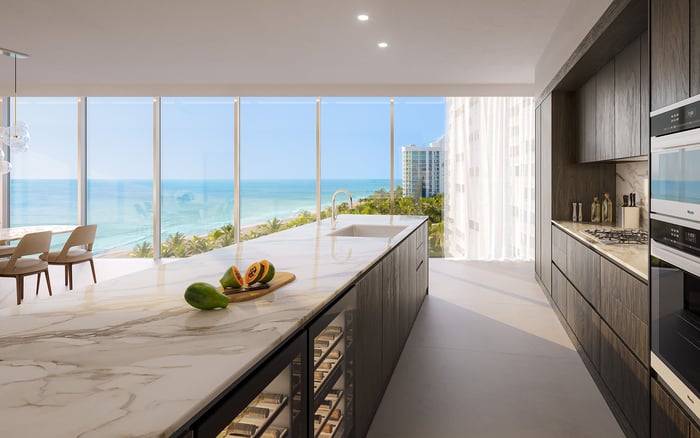
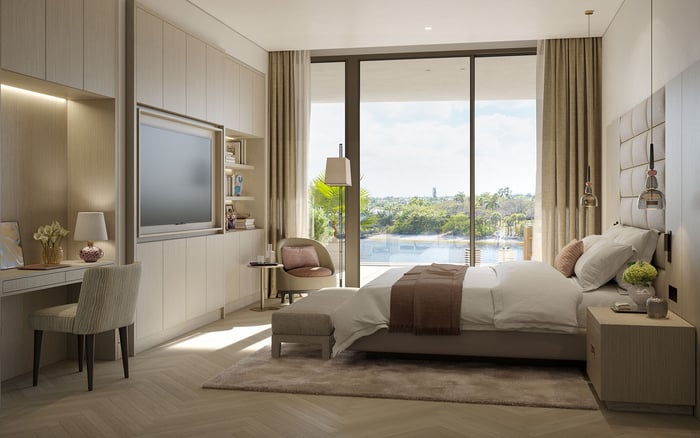
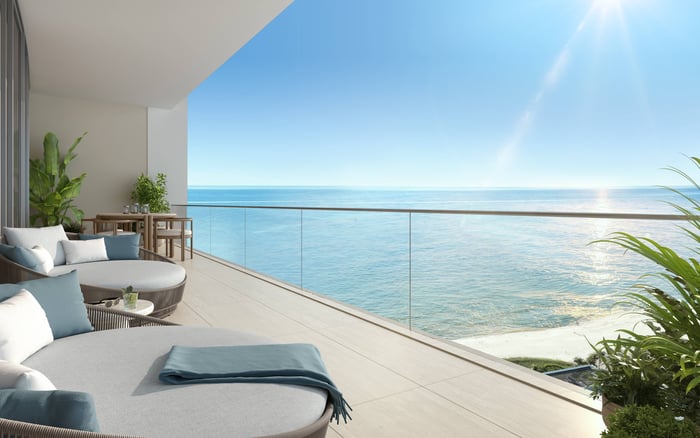
Waldorf Astoria Residences Pompano Beach is marketed without an on-site hotel. The finer distinction for buyers is how resident-only spaces, dining outlets, reservations, and operating expenses will be governed.
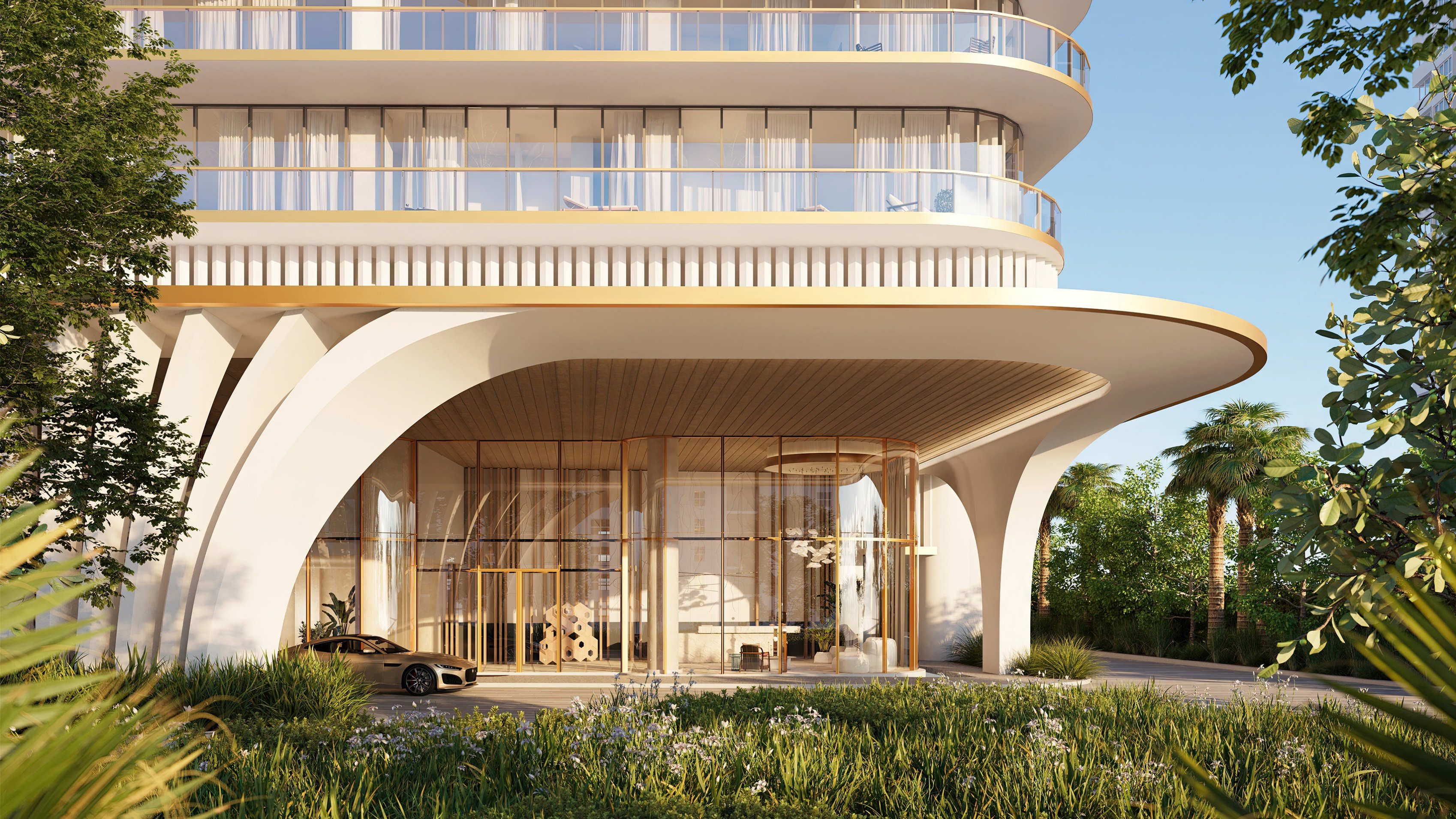
The title raises an important buyer concern, but its premise needs an immediate qualification. Waldorf Astoria Residences Pompano Beach is marketed as a standalone development with 92 private residences and no on-site hotel. Shared hotel facilities are therefore a point of comparison, not an established feature of this property.
That distinction matters to anyone seeking hospitality-level service without the circulation of overnight hotel guests. Yet a residential designation does not, by itself, settle who may enter a restaurant, accompany an owner to the pool, attend an event, or occupy a leased residence. Each question is governed by its own rules.
The purchase decision is less about whether the building feels like a resort than whether its operating framework protects the residential experience. Privacy is an access question; convenience is a reservation question; maintenance exposure is an expense-allocation question.
The planned offering brings familiar hospitality touches into a residential setting: a Peacock Alley-inspired lounge, 24-hour concierge service, doormen, and valet parking. A beachfront café with room service and poolside dining further distinguishes hotel-style service from an actual hotel component.
Approximately 12,000 square feet of interior amenities are advertised. The program includes a fitness center, movement studio, spin room, children’s entertainment room, multi-sport simulator with VR gaming, and a billiards and entertainment lounge. The breadth of that program says little, however, about guest allowances or competing demands at popular hours.
Buyers should distinguish three things: the amenity itself, the people entitled to use it, and the service delivered within it. A residential lounge may host permitted guests. A dining outlet may have different access rules from the surrounding common areas. Neither possibility should be treated as confirmed here without the relevant documents.
As of March 2026, the spa is explicitly advertised as resident-only, alongside saunas, steam rooms, and fitness facilities. That designation should guide the current understanding of the planned spa, rather than the public access contemplated for the spa and one restaurant in October 2023.
The discrepancy still warrants written clarification. It does not establish that the spa is currently public, nor should the resident-only designation extend automatically to every food-and-beverage outlet.
A ground-floor dining concept and beachside café have been advertised, but public dining access and resident reservation priority remain unestablished. Ask whether outside patrons, if admitted, would have a dedicated entrance, separate restrooms, or any route through residential spaces. These are questions for the access plan, not descriptions of the proposed layout.
For buyers also considering Rosewood Residences Hillsboro Beach, the same discipline applies: compare documented outlet access rather than assuming that a hospitality name defines every boundary.
The advertised 20,000-square-foot oceanfront pool deck includes a lap pool, private spa, resident cabanas, outdoor bar, dining lounge, and summer kitchens. Direct, private access to 200 linear feet of beachfront is also promised. Private beach access should not be read as ownership of an entirely private beach.
Eligibility and availability are equally distinct. Access to a cabana program does not establish how cabanas will be allocated. A dining service does not establish a preferred reservation window. A resident-only wellness space does not establish how many appointments a household may reserve.
Owner booking windows, cabana allocation, guest limits, cancellation rules, and guaranteed priority remain unestablished. Buyers should request policies covering advance reservations, simultaneous bookings, no-shows, private functions, and any inventory held by the operator. These details determine whether spontaneous use is realistic, particularly when several households want the same experience at the same time.
Where residents and hotel guests share facilities, a larger eligible user group can mean more movement, competing reservations, and cleaning demands. The effect depends on capacity, staffing, circulation, and the access agreement. It is not evidence of any particular condition at Waldorf Astoria Residences Pompano Beach.
Here, the absence of an on-site hotel does not establish a ban on owner rentals, household guests, outside dining patrons, or events. Nor does it prove lower maintenance costs, less wear, or easier bookings. No measured usage or operating-cost comparison supports those conclusions.
Instead, examine who pays for cleaning, security, staffing, repairs, and replacement when an outlet serves different user groups. Ask whether revenues offset the associated expenses and how capital reserves are allocated. Those questions remain relevant even when the development is residential.
When evaluating The Ritz-Carlton Residences® Pompano Beach alongside this property, use the same expense-and-access checklist. The comparison should turn on each agreement, not presumed equivalence between brands.
The waterfront offering extends beyond the beach. The advertised program includes 19 resident boat slips available for purchase, a courtesy dock, optional Resident Yacht Club membership, and marine concierge services. These are distinct offerings, not a single entitlement automatically attached to every residence.
A buyer interested in boating should establish what a slip purchase conveys, who may use the courtesy dock, and which services require separate membership or charges. Request the marina rules rather than treating an amenity description as a complete operating agreement.
The same reservation questions apply on the water: how use is scheduled, whether guests may participate, and who controls access. Those terms should not be inferred from the advertised slip count or the availability of marine concierge service.
Before committing, request the condominium declaration, amenity-access schedules, management agreements, reservation policies, marina rules, and budgets allocating outlet expenses and capital reserves. Have counsel reconcile those documents with the advertised program, especially the spa and dining boundaries.
Seek written answers on who may change access rules, how owners are notified, and whether guest privileges differ among amenities. Ask which services are included and which carry separate charges. All amenities discussed here should be understood as planned or advertised, not assumed to be completed and operating.
The central appeal remains compelling: a residence designed around attentive service and an extensive amenity program, without an advertised on-site hotel. The fine print should establish how that promise translates into daily use. For a discerning buyer, the most valuable luxury may be knowing precisely what is reserved for residents, what must be booked, and what ownership is responsible for funding.
For a considered approach to South Florida’s residential choices, explore MILLION.
If branded residences are on your mind — as a home or as an allocation — we would be glad to share what we are seeing, privately.
Begin a quiet conversationIt is marketed as a standalone development with 92 private residences and no on-site hotel. Shared-hotel concerns are a comparison, not an established feature of this property.
The March 2026 description explicitly identifies a resident-only spa. An older public-access description conflicts with that position, so buyers should obtain written confirmation of the governing access rules.
Public access to the advertised dining outlets remains unestablished. Buyers should request outlet-specific rules rather than extending the spa’s resident-only designation to dining.
Guaranteed priority, owner booking windows, cabana allocation, guest limits, and cancellation rules are not established. These should be confirmed in the reservation policies.
Approximately 12,000 square feet of interior amenities and a 20,000-square-foot oceanfront pool deck are advertised. Size alone does not establish capacity or booking availability.
No; the advertised offering is direct, private access to 200 linear feet of beachfront, not established ownership of an entirely private beach.
No measured operating-cost or usage comparison establishes lower costs or less wear. Expense allocations, staffing, access rules, and reserves require separate review.
The advertised program describes 19 resident boat slips available for purchase, not an automatic slip entitlement for every home. A courtesy dock and optional Resident Yacht Club membership are separate offerings.
The standalone designation does not establish a ban on owner rentals, guests, outside dining patrons, or events. Each requires review of the applicable rules.
Request the condominium declaration, amenity-access schedules, management agreements, reservation policies, marina rules, and budgets allocating outlet expenses and capital reserves. Counsel should reconcile these with the advertised program.