A discreet due-diligence guide for luxury buyers evaluating construction-noise exposure in Aventura, from site walks and floor selection to contract language and resale considerations.
In the ultra-premium market, quiet is not merely an amenity. It is part of the architecture of daily life. Aventura buyers often scrutinize views, lobby presence, valet choreography, ceiling heights, wellness programming, and proximity to the water, yet construction-noise exposure can remain secondary until it becomes the dominant soundscape of a residence.
The better approach is to treat noise as a measurable acquisition variable. Before buying, the central question is not simply whether construction exists nearby. It is whether present or future work could affect the specific rooms, terraces, routines, and resale story of the residence under consideration.
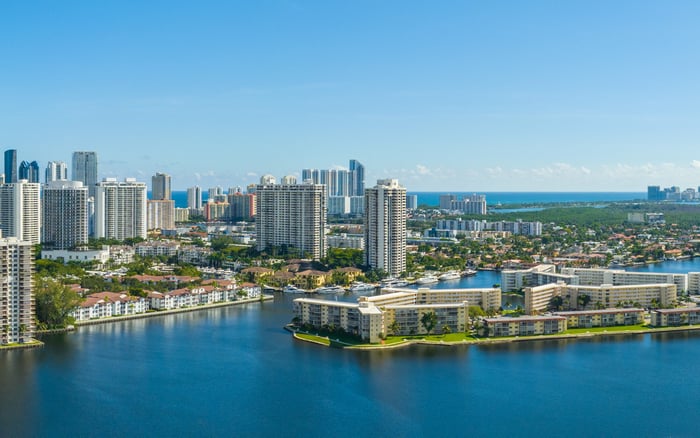
A buyer comparing Avenia Aventura with nearby coastal alternatives should look beyond distance on a map. Sound travels differently across open water, low-rise gaps, wide roads, podium levels, and hardscape corridors. A residence that feels calm at noon may be more exposed in the early morning, while a terrace that photographs beautifully may be less pleasant if it faces a future staging area.
Begin with a direct question: what parcels, buildings, vacant lots, parking areas, or underused sites sit within earshot of the residence? Do not limit the review to what is visible from the balcony. Ask your advisor to identify what lies behind, beside, and across from the building, then separate active construction from potential future development.
For each nearby site, ask whether it is fully built, under renovation, awaiting work, or simply capable of being redeveloped. The answer shapes the risk. An active job site may be easier to evaluate because equipment, access points, and daily rhythm are observable. A future project is more speculative, but it may matter more if you intend to hold the residence for several years.
A more refined question is: which side of the building is most likely to be affected? In luxury acquisition, line selection is often more important than building selection. A stack facing an active corridor may live very differently from a stack facing away from it, even within the same tower.
Construction noise does not move like a straight line on a floor plan. It reflects, channels, rises, and sometimes disappears depending on the built environment. Buyers should ask how the unit’s exposure changes with floor height, balcony depth, glass specification, room layout, and the location of primary suites.
A high-floor residence may enjoy better views yet remain exposed to airborne sound. A lower residence may be screened by landscaping, podium structures, or adjacent massing, but could feel closer to truck movement or street-level staging. Neither condition is automatically superior. The answer depends on the specific orientation and the buyer’s tolerance.
Stand in the primary bedroom, main living area, kitchen, and terrace without conversation for a full minute. Then repeat the exercise with balcony doors closed. This is not theatrical. It is the simplest way to understand whether the envelope, plan, and location support the lifestyle being sold.
A polished late-afternoon showing can conceal the conditions that matter most. Serious buyers should request access at more than one time of day, including a weekday morning when surrounding work, deliveries, and road activity may be more noticeable. If access is limited, spend time outside the building, at the arrival court, along the sidewalk, and near the intended parking or valet path.
For second-home buyers, this step is especially important. A residence may be used for work calls, recovery after travel, family visits, or extended seasonal stays. The question is not whether noise is tolerable during a short showing. The question is whether it aligns with the way you intend to live.
When comparing Aventura with Bentley Residences Sunny Isles or Jade Signature Sunny Isles Beach, keep the same discipline. The most persuasive architecture still deserves a practical listening test. A quiet brand presentation is not the same as a quiet home.
In a completed condominium, the association or building management may be able to clarify renovation protocols inside the building. Ask about approved work hours, elevator protection, contractor access, loading areas, move-in rules, and whether major common-area work is anticipated. Interior renovation noise can be as disruptive as neighboring construction when the work is close to the subject residence.
Ask whether the building has recent experience managing neighboring work. The goal is not to obtain a guarantee. It is to understand whether the team communicates clearly, anticipates resident concerns, and has procedures for access, complaints, and disruption.
For new-construction purchases, ask the sales team to distinguish between the building’s own delivery schedule and work on surrounding parcels. If amenities, neighboring phases, or adjacent infrastructure remain unfinished, ask how those conditions will affect the experience after closing. Keep the tone calm and precise. Luxury negotiation is most effective when it is documented rather than emotional.
Before submitting an offer, the buyer’s file should include a noise-focused checklist. Ask what nearby construction is visible, what nearby development potential exists, whether any seller disclosures mention noise, and whether the contract allows enough time for inspections, document review, and follow-up questions.
Ask the seller what times of day are typically quietest and loudest. Ask whether any terrace, bedroom, or home office is more affected than another. Ask whether windows or doors have been recently serviced, because poor seals can turn a tolerable exterior condition into a daily irritation.
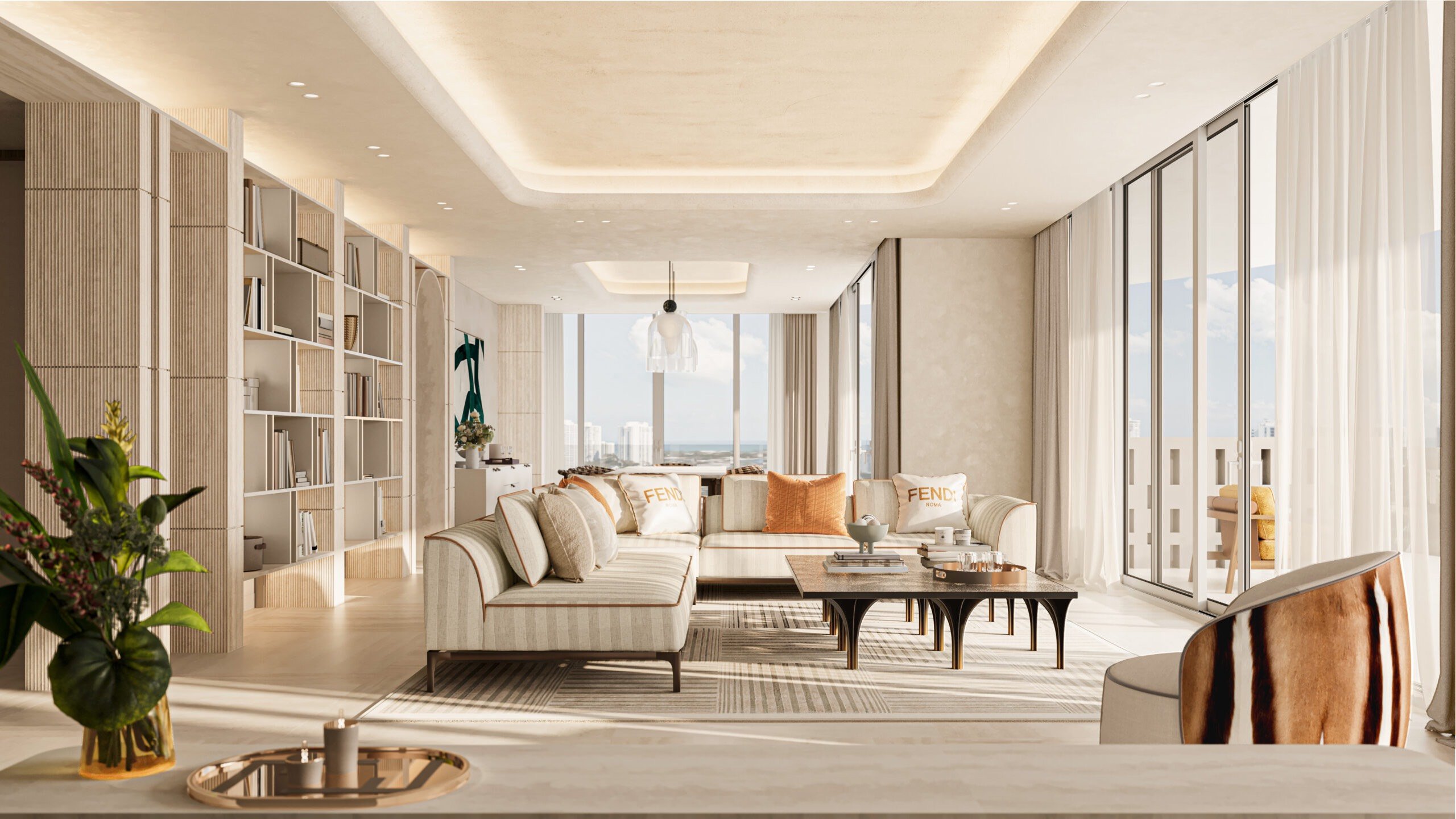
If the residence is being purchased furnished, do not let the staging distract from acoustics. Heavy drapery, rugs, upholstered walls, and soft furnishings can change the interior impression. They may help, but they should not substitute for understanding the building envelope itself.
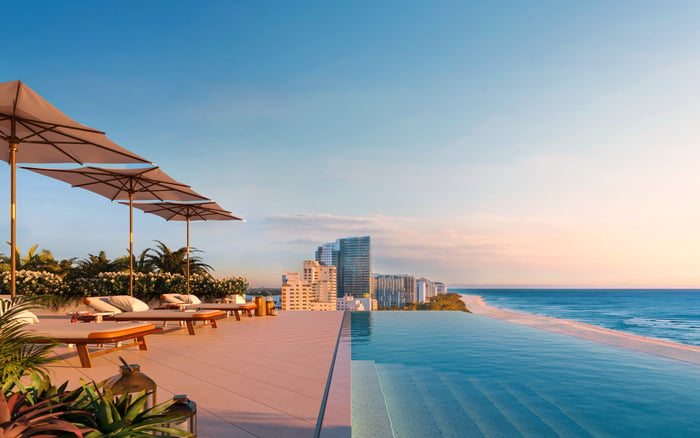
Luxury buyers in Aventura often place meaningful value on outdoor space. A terrace, pool deck, garden edge, or marina-adjacent walkway can define the purchase. Noise diligence should therefore include exterior areas, not only interiors.
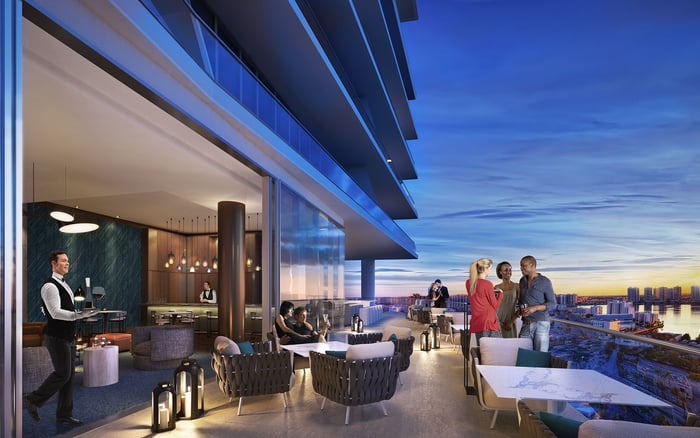
Stand at the terrace railing and listen for intermittent rather than constant sound. Back-up alarms, concrete work, metal impact, and truck movement may be more disruptive than a steady ambient hum because they break concentration. If the terrace is intended for morning coffee, private dining, or remote work, evaluate it during the hours it will actually be used.
Arrival is another overlooked zone. A gracious lobby experience can be undermined by a noisy approach, congested curb, or contractor circulation nearby. In a refined building, the sequence from car to residence should feel composed. Buyers considering 2000 Ocean Hallandale Beach or other Hallandale Beach residences should apply the same standard, especially when the emotional appeal of water and horizon views is central to the decision.
A sophisticated buyer does not need to overstate the concern. The better tactic is to put construction-noise exposure into the record early. Ask written questions. Request any relevant association materials. Preserve inspection comments. If uncertainty remains, discuss whether pricing, timing, deposit structure, or closing conditions should reflect it.
This is where a buyer’s-guide mindset becomes valuable. Noise is not only a lifestyle issue. It can influence future marketability, seasonal use, rental desirability where permitted, and the ease of the resale conversation. A buyer who understands the exposure before closing owns the decision. A buyer who discovers it afterward inherits the problem.
The goal is not to avoid every possible sound. That would be unrealistic in any desirable South Florida setting. The goal is to purchase with informed quiet: a clear understanding of what can be heard, when it can be heard, how it affects the best parts of the residence, and whether the price and plan still make sense.
In Aventura, construction-noise diligence should sit beside view analysis, light studies, privacy review, reserve questions, and service evaluation. The most elegant residence is the one that supports the life imagined for it, not only the one that photographs well on a perfect afternoon.
What is the first noise question to ask before buying in Aventura? Ask what active or potential construction sites sit within earshot of the specific residence, not just the building.
Should I worry more about high floors or low floors? Neither is automatically better. Exposure depends on orientation, surrounding massing, glass quality, and nearby activity.
How many times should I visit before making an offer? Visit more than once if possible, including a weekday period when ordinary work and traffic patterns are easier to detect.
Can closed impact glass solve construction noise? It may help, but glass performance, seals, balcony doors, vents, and room layout all affect the interior result.
Should I ask the condo association about noise? Yes. Ask about contractor rules, renovation hours, loading areas, elevator use, and any anticipated common-area work.
Is future construction risk negotiable? It can be part of the negotiation record, particularly when uncertainty affects use, timing, or perceived value.
Does terrace orientation matter? Yes. Outdoor space can be more exposed than interiors, so test the terrace during the hours you expect to use it.
What if the seller says the home is quiet? Treat that as one data point. Verify through visits, written questions, document review, and professional guidance.
Should second-home buyers be more careful? Yes. Limited stays can make avoidable disruption feel more significant, especially during peak seasonal use.
Can construction noise affect resale? It can influence buyer perception, particularly if the exposure affects primary rooms, terraces, or the arrival experience.
For a confidential assessment and a building-by-building shortlist, connect with MILLION.
If branded residences are on your mind — as a home or as an allocation — we would be glad to share what we are seeing, privately.
Begin a quiet conversation