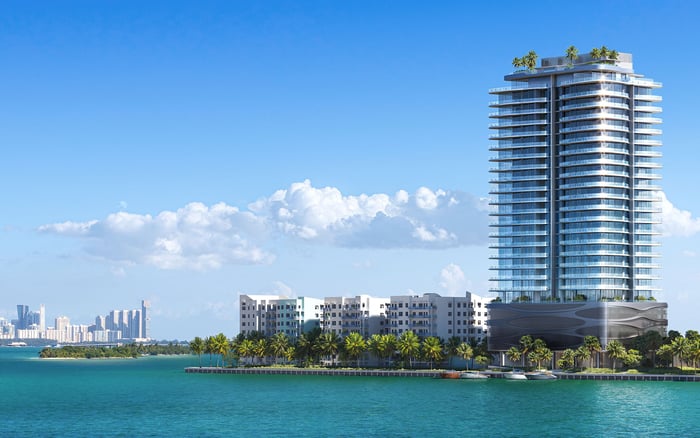
A buyer-focused editorial on how to evaluate condominium ownership at La Maré Bay Harbor Islands, Sixth & Rio Fort Lauderdale, and Tula Residences North Bay Village through documents, governance, costs, and resale strategy.

In South Florida, the most compelling condominium decisions often begin with water, skyline, privacy, and service. The more durable ownership decision begins elsewhere: in the declaration, the association budget, the insurance structure, and the rules that determine how a private residence functions inside a shared building. For buyers considering La Maré Bay Harbor Islands, Sixth & Rio Fort Lauderdale, and Tula Residences North Bay Village, the central question is not only which address feels most compelling. It is how ownership will actually work after closing.
A condominium purchase is different from acquiring a single-family waterfront estate. The buyer owns an individual residence, but the building, amenities, systems, waterfront areas, and governance are shared through an association structure. That can be a strength. Shared maintenance can make luxury living more convenient, particularly for seasonal owners. It can also create recurring obligations, voting dynamics, rental limitations, reserve questions, and special-assessment exposure that should be understood before contract deadlines.
The result is a more sophisticated form of due diligence. The right buyer does not only ask what the residence includes. The right buyer asks what the association controls, what the owner controls, which costs are predictable, which costs may change, and how the asset may trade in the future.
For La Maré Bay Harbor Islands, the ownership lens is especially important because Bay Harbor Islands sits within a refined Miami-Dade waterfront context where buyers often compare condominium living with single-family waterfront ownership. That comparison should be practical rather than romantic. A waterfront house may offer more direct control over land, dockage, service vendors, and exterior decisions, while a condominium may offer shared infrastructure, managed amenities, and a more lock-and-leave pattern of ownership.
At La Maré Bay Harbor Islands, buyers should examine the condominium declaration, bylaws, operating budget, reserve structure, insurance responsibilities, and rental rules before their review periods expire. The documents should clarify the boundary between the private residence and the common elements. That boundary matters in any condominium, but it becomes more consequential in a boutique waterfront setting where amenities, frontage, service areas, access points, and building systems may meaningfully shape the experience of ownership.
A polished sales presentation can show how the property lives. The condominium documents show how the property is owned. For La Maré, the strongest ownership analysis looks beyond purchase price and studies monthly association dues, insurance exposure, reserve funding, possible special assessments, and long-term resale liquidity. Waterfront beauty is visible immediately. Ownership obligations reveal themselves over time.
Sixth & Rio Fort Lauderdale places the ownership conversation in Broward County’s riverfront and downtown luxury condominium market. For Fort Lauderdale buyers, the appeal of a condominium can be clear: service, proximity, shared maintenance, and a more effortless relationship with a waterfront or riverfront setting. Yet the tradeoff is equally clear. Owners accept association governance, recurring fees, and rules that may shape leasing, guest use, improvements, and daily operations.
The first ownership question is allocation. Buyers should understand how the condominium regime divides private residences, parking, storage, amenities, waterfront or riverfront areas, and other common elements. Parking that feels implied during a tour may be legally assigned, deeded, licensed, limited, or governed by rules. Storage may have its own structure. Amenity use may be broad or restricted. Riverfront areas may be common elements or limited common elements, and that distinction can affect use, cost, and control.
The second question is governance. Sixth & Rio buyers should examine association structure, voting rights, developer turnover timing, budget assumptions, and any limits on leasing or guest use. In a luxury condominium, early budgets can be especially important because the association’s real operating rhythm may evolve after residents occupy the building and after developer control transitions to owner governance. That transition is not merely administrative. It can shape services, staffing, reserves, and the way owners make decisions together.
With Tula Residences North Bay Village, buyers should apply the same disciplined ownership framework without leaning on assumptions. Every project needs to be read on its own terms. The project name, location, and lifestyle positioning may open the door. The declaration, budget, rules, insurance allocations, and closing documents should decide whether the ownership profile fits the buyer.
For Tula Residences North Bay Village, the prudent approach is to verify project-specific details directly through current offering materials and legal documents. That means avoiding casual comparisons based only on neighborhood, views, or amenity language. Two waterfront condominiums in the same market can differ substantially in rental flexibility, maintenance obligations, reserve philosophy, parking structure, insurance responsibilities, and governance.
This is where North Bay Village buyers can benefit from slowing the process down. The most elegant ownership decision is rarely the fastest one. It is the decision where lifestyle, legal structure, and long-term holding costs align before the contract becomes binding.
The essential documents are familiar, but they deserve serious attention. Start with the declaration, because it defines the property regime and the legal relationship between units and common elements. Then read the bylaws, because they explain governance, voting, board authority, meetings, and procedural control. Review the rules and regulations for practical limits on leasing, guests, pets, renovations, deliveries, and amenity use.
Next, study the budget. A luxury condominium budget is not simply a monthly dues estimate. It is a statement of operating priorities: staffing, insurance, utilities, maintenance, reserves, management, amenities, and contingency planning. Compare what the budget appears to cover with what the buyer expects the building to provide. If the service level feels high but the budget appears lean, that gap deserves questions.
Reserve structure also matters. A well-conceived reserve plan can support long-term building health and reduce surprise assessments. A thin reserve posture may preserve monthly optics but shift risk into the future. In South Florida, where waterfront buildings face meaningful insurance, maintenance, and capital-planning demands, reserves are not a technical footnote. They are part of the ownership thesis.
Waterfront ownership carries a particular kind of prestige, but it also concentrates certain risks. Shared building systems, exterior maintenance, seawall or frontage considerations, amenity decks, elevators, mechanical systems, and insurance coverage can all become part of the association’s financial life. The buyer’s task is to understand which costs are paid individually, which are paid collectively, and which could become extraordinary.
Insurance deserves careful separation. Owners should understand what the association insures, what the individual owner must insure, and how deductibles or uncovered items may be handled. In a luxury condominium, the interior buildout can be substantial, and coverage responsibilities may not be intuitive. A buyer should not assume that association insurance protects every aspect of the residence.
Special assessments are another key issue. They are not automatically a warning sign, because responsible buildings sometimes approve capital projects for good reasons. The question is whether the buyer understands the probability, scale, timing, and governance process behind potential assessments. At La Maré, Sixth & Rio, and Tula, the better acquisition decision is one that models carrying costs under more than one scenario.
Resale strategy should be part of the purchase conversation from the beginning. A luxury condominium can be a lifestyle asset, a seasonal base, a long-term hold, or part of a broader family wealth plan. Each use case places different weight on rental rules, association dues, reserves, view corridors, parking, service quality, and building reputation.
Rental flexibility is not only an investment question. It can matter for owners whose plans change, who split time between multiple homes, or who want optionality without turning the residence into a frequent rental asset. Buyers should read the rules closely for minimum lease terms, frequency limits, approval rights, guest policies, and any restrictions that could affect future liquidity.
Exit strategy also depends on how future buyers will read the same ownership documents. A residence with compelling design can still face friction if dues, reserves, insurance exposure, rental rules, or governance concerns appear unfavorable. Conversely, a building with clear documents, disciplined budgeting, and transparent governance can support confidence when the time comes to sell.
The strongest South Florida condominium buyers think like owners before they become owners. They admire the view, but they underwrite the structure.
What is the main ownership angle at La Maré Bay Harbor Islands? The key issue is how private residence ownership interacts with shared amenities, waterfront elements, association governance, dues, insurance, and reserves.
Why does boutique waterfront ownership require extra review? Boutique buildings can feel more private, but shared costs and control over frontage, systems, and amenities still depend on the condominium documents.
What should Sixth & Rio Fort Lauderdale buyers examine first? They should review how the condominium regime allocates residences, parking, storage, amenities, riverfront areas, and other common elements.
How is a condo different from a Fort Lauderdale waterfront house? A condo may offer shared-maintenance convenience, while a house typically gives the owner more direct control over property decisions and expenses.
What should buyers verify for Tula Residences North Bay Village? Buyers should verify current legal documents, budgets, rules, insurance allocations, and any rental provisions before relying on assumptions.
Why are reserves important in South Florida luxury condos? Reserves help fund future building needs and can reduce the risk of unexpected assessments for major maintenance or capital projects.
Can association dues change after purchase? Yes. Dues may change as operating costs, insurance, staffing, reserves, or building needs evolve over time.
Do rental rules affect resale value? They can. Rental flexibility, minimum lease terms, and approval procedures may influence both investor demand and owner optionality.
What role does developer turnover play? Developer turnover can shift governance to owners, affecting budgets, board decisions, service levels, and long-term association priorities.
What is the best way to compare waterfront condominium options? Compare the legal structure, monthly costs, reserves, insurance duties, rental rules, governance, and likely exit profile, not only the view.
For a confidential assessment and a building-by-building shortlist, connect with MILLION.
If branded residences are on your mind — as a home or as an allocation — we would be glad to share what we are seeing, privately.
Begin a quiet conversation