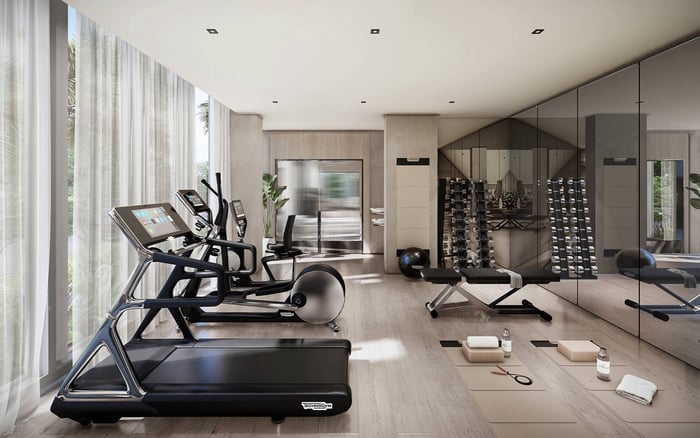
A practical owner-review framework for Bay Harbor Towers, covering the distinction between vacancy and abandonment, authorized pest-control access, service documentation, and municipal inspection records.

The assurance of a well-managed residence matters most when its owner is elsewhere. For an owner reviewing Bay Harbor Towers, the essential questions concern access, accountability, and the record left after someone enters a private home. Who can authorize a visit? What distinguishes an inspection from treatment? How does an unresolved concern reach the owner?
Treat those questions as requests for written confirmation, not assumptions about the building’s services. Ask the association or property manager to confirm the applicable vacant-unit policy, inspection frequency, pest-control scope, and access procedures. The framework below is a recommended approach to owner review, not a description of established Bay Harbor Towers practice.
The standard is simple: every authorized visit should have a defined purpose, an identifiable responsible party, and a documented outcome. Discretion and documentation belong together.
An unoccupied residence should not automatically be treated as abandoned. Seasonal absence and legal abandonment are distinct conditions. The applicable statutory criteria must be established before abandoned-unit powers are invoked.
Florida condominium law gives associations access during reasonable hours when necessary to maintain property for which the association is responsible or to prevent damage to a unit or common elements. That authority is not an unrestricted invitation to conduct any service visit simply because an owner is away.
For a unit meeting the statutory abandonment criteria, an association may enter to inspect the unit and adjoining common elements. Authorized work can include necessary repairs, addressing mold or deterioration, restoring utilities, and otherwise preserving the property. Except in an emergency, this abandoned-unit entry requires at least two days’ notice, mailed or hand-delivered to the owner’s address in association records.
Ask management to distinguish these circumstances in writing. The two-day rule is not a universal timetable for condominium entry. Nor should the landlord-tenant rule defining reasonable repair notice as at least 24 hours replace condominium-association access rules.
Before an extended absence, request the written procedure for routine visits and emergency access. As an operational recommendation, the owner’s file should include current contact details, an alternate contact, the agreed method of communication, and any owner authorization relevant to a requested service.
Clarify who holds access credentials, who releases them, and whether contractors are accompanied. Ask how canceled appointments, unsuccessful entry attempts, and urgent findings are communicated. These are proposed review questions, not verified building requirements or a substitute for governing documents.
For buyers also evaluating Alana Bay Harbor Islands, the same questions provide a useful basis for comparison without presuming identical policies. Compare written procedures, not assurances that someone will check the residence.
The inspection scope deserves equal attention. Ask whether a proposed visit includes visual checks for moisture, deterioration, or pest activity, and who decides when specialist evaluation is warranted. Any checklist, photographs, or recurring schedule should be expressly agreed, not inferred from a general management service.
Access to a residence and authorization to apply pesticides are separate issues. Ordinary condominium maintenance employees cannot apply pesticides inside individually owned units without the required pest-control licensing or other legal authorization.
The distinction matters because condominium employees may generally apply pesticides in common areas, including hallways, lobbies, elevators, utility rooms, and exterior grounds. Responsibility for those spaces does not establish authority to treat an individual residence.
For interior treatment, confirm that the provider is appropriately licensed and request the applicable service scope. Ask whether the visit is an inspection, a treatment, or a follow-up, and obtain any preparation and re-entry instructions from the provider. Confirm who coordinates access and who receives the completed service record.
Keep these questions separate when reviewing Onda Bay Harbor as well. A written proposal should distinguish common-area coverage from interior services and clarify who arranges and pays for any additional work. Do not assume either category is included without reviewing the relevant agreement.
Florida condominium law establishes official-records requirements covering governing documents, meeting minutes, insurance policies, and contracts. These materials are a starting point for understanding responsibilities and service arrangements. Request relevant records through the association’s applicable procedures. Distinguish formal association records from any additional owner-level documentation you would like maintained.
For each authorized visit, consider requesting a concise entry log with the date, arrival and departure times, visitor identity, purpose, and access authorization. A useful service record would also describe observations, work performed, unresolved conditions, and the person responsible for follow-up. These fields are recommendations, not verified Bay Harbor Towers requirements.
For pesticide treatments, ask the provider to identify the treatment locations, products used, instructions, and any proposed return visit. Florida pest-control law requires certain pest-inspection notices to include the licensee’s name and address and the inspection date. That narrow requirement is not a universal checklist for every service report.
Photographs can clarify a condition, but agree on their scope and handling to protect privacy. The strongest file connects an observation to an action, then to confirmation that the issue was resolved.
Routine management inspections and pest-control visits are not Town building-code inspections. Bay Harbor Islands requires condominium associations and other covered multifamily, cooperative, commercial, and rental properties to register annually with code compliance by January 30. Ask management to confirm the applicable registration rather than treating routine service activity as evidence of municipal compliance.
The Town’s construction-permitting portal allows enrolled users to apply for permits, upload documents, request inspections, and review results. Building inspections may also be scheduled by calling 305-993-1786. Scheduling is requested at least 24 hours before the requested inspection date.
That scheduling guidance concerns municipal building inspections, not notice for association entry. Where work involves permitting, request the relevant permit and inspection records separately from maintenance logs. The purpose and status of each document should remain clear.
Whether the wider search includes Bay Harbor Islands or Bal Harbour, operational review should remain property-specific. An attractive residence does not answer who monitors it during an absence, authorizes treatment, or confirms that corrective work is complete.
Before relying on an arrangement, seek written confirmation of its scope, access procedure, provider qualifications, documentation, and escalation path. Where entry authority or notice is disputed, obtain advice on the applicable law and governing documents. A service schedule should not be treated as legal authorization.
For a discreet perspective on South Florida ownership and residential selection, explore MILLION.
If branded residences are on your mind — as a home or as an allocation — we would be glad to share what we are seeing, privately.
Begin a quiet conversationNo. An unoccupied or seasonally vacant unit should not be treated as abandoned unless the applicable statutory abandonment criteria are met.
Florida condominium law permits access during reasonable hours when necessary to maintain association-responsible property or prevent damage to a unit or common elements. The purpose and applicable procedures should be established for the particular entry.
Except in an emergency, abandoned-unit entry requires at least two days’ notice mailed or hand-delivered to the owner’s address in association records. This is not a universal notice rule for all condominium visits.
The landlord–tenant provision defining reasonable repair notice as at least 24 hours should not be substituted for condominium-association access rules.
Not without the required pest-control licensing or other legal authorization. Authority to apply pesticides in common areas does not establish authority to treat individually owned units.
Confirm the provider’s appropriate licensing, service scope, access arrangements, and any preparation or re-entry instructions. Also clarify who receives the service record and coordinates follow-up.
Consider recording visitor identity, entry and departure times, purpose, authorization, findings, and follow-up responsibility. These are operational recommendations, not verified Bay Harbor Towers requirements.
No. Certain pest-inspection notices must identify the licensee’s name and address and the inspection date, but that requirement is not a universal service-record checklist.
Covered properties, including condominium associations, must register annually with code compliance by January 30. Owners can ask management for confirmation of the applicable registration.
No. Town building-code inspections are separate from management visits and pest-control services, and the Town’s request for scheduling at least 24 hours ahead applies to its building inspections.