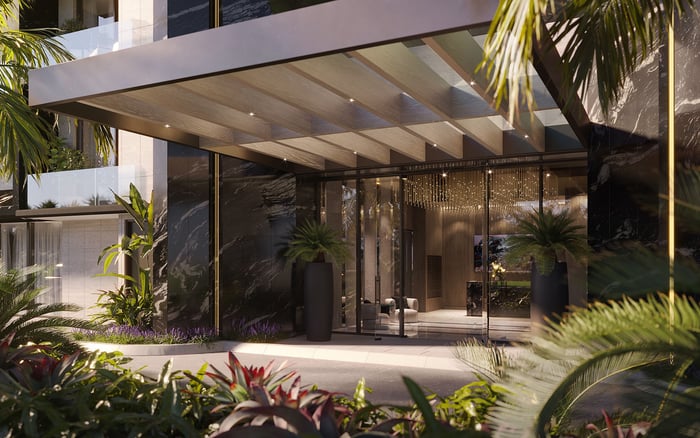
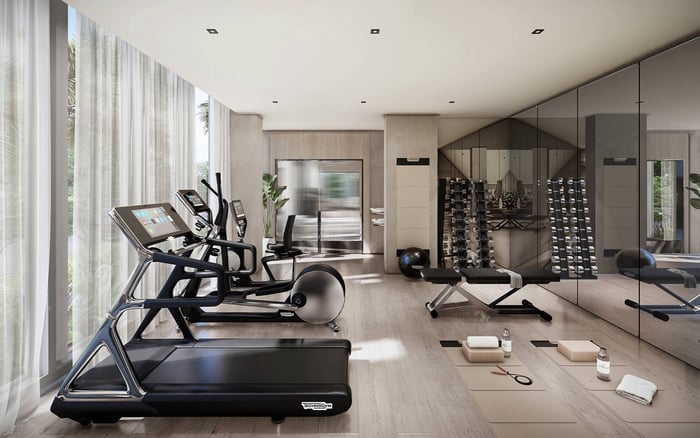
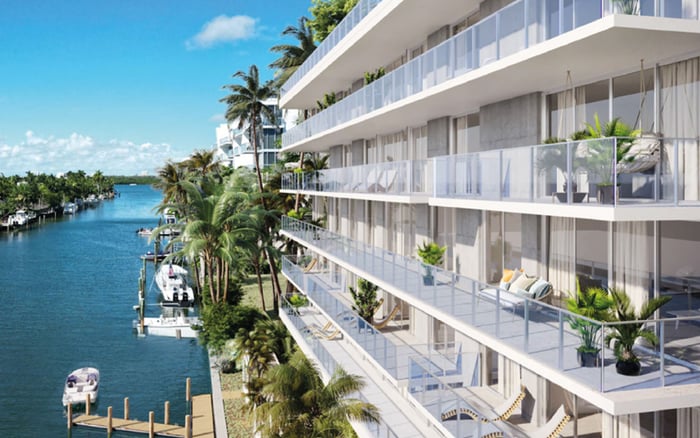
Alana’s boutique scale and rooftop amenities establish its residential appeal. Evaluating its long-term stewardship requires a separate review of board education, financial planning, maintenance procedures, and association records.
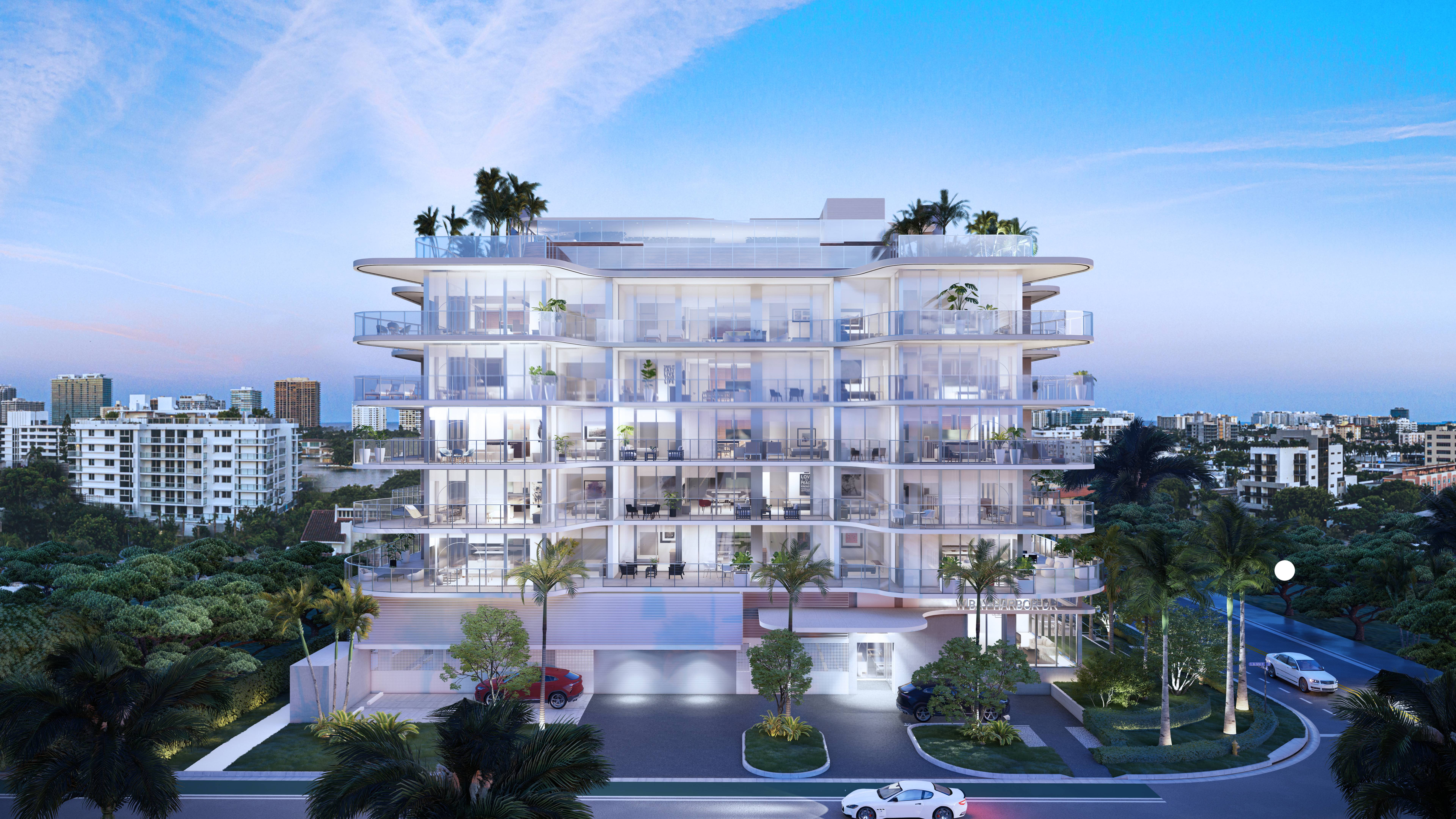
At Alana Bay Harbor Islands, the purchase decision extends beyond the floor plan. The 30-residence condominium at 9901 West Bay Harbor Drive offers a boutique setting: a seven-story building with two- and three-bedroom homes and published sizes of approximately 1,200-1,662 square feet. Its long-term ownership experience calls for an equally careful examination of the institution responsible for shared property.
Board education matters when it translates into operating discipline. For a buyer, the question is not simply whether directors have completed training, but whether that knowledge informs budgets, maintenance decisions, professional appointments, and communication with owners. Credentials are a starting point, not a substitute for follow-through.
Alana’s board membership, education credentials, meeting frequency, turnover status, reserve balance, and inspection compliance remain unverified. That is not a finding of poor governance. It means the building should be evaluated through association records, not assumptions drawn from its architecture or presentation.
Alana’s developer is Alta Developers, with Revuelta Architecture International responsible for architecture and interior design. The legal developer entity is Alta Bay Harbor 1 LLC. These identities establish project roles, not the current composition or effectiveness of the condominium board.
Alana’s offering is made only through the developer’s prospectus. Its brochure, fact sheet, renderings, and floor plans serve a different purpose from association financial and governance records. A polished presentation can explain the residential concept without establishing who authorizes spending, how contracts are reviewed, or what maintenance funding is available.
Request the governing documents, current director roster, management agreement, and records establishing whether association turnover has occurred. Building age or completion timing should not substitute for turnover documentation. Buyers should also distinguish records of current operations from projections, proposed arrangements, and earlier versions.
A useful education review connects three elements: what directors learned, which responsibilities they understand, and what the association subsequently did. Request training records and ask how the board keeps its knowledge current. Have condominium counsel confirm the requirements applicable to the directors and association; do not assume a generic course establishes compliance.
Then examine minutes across successive meetings. Look for clear decisions, assigned responsibilities, spending approvals, and follow-up on unresolved matters. A maintenance concern should be traceable from identification through professional review, authorization, and completion. Meeting frequency alone says little if the same issue returns without a clear next step and someone responsible for it.
For buyers also considering Bay Harbor Towers, this provides a consistent comparison framework without presuming either association performs better. Compare the clarity and continuity of decision-making, not merely the volume of documents provided.
Education is most persuasive when directors recognize the limits of their expertise. Ask how technical, legal, and insurance questions reach qualified advisers-and how their recommendations inform decisions. The board need not perform every specialist task itself; buyers should be able to understand its process for obtaining and acting on advice.
An association-fee estimate of $1.72 per square foot each month is not a verified Alana association budget. It establishes neither current charges for a particular residence nor how collections are divided among operations, insurance, and reserves. Treat it as a question to resolve, not a measure of financial strength.
Request the adopted budget, available financial statements, reserve studies, reserve balances, and any adopted funding schedule. Review whether anticipated projects have identifiable funding and whether reserve assumptions align with the available maintenance information. Ask for explanations of material differences between budgeted and actual spending.
Insurance warrants a separate review. Obtain current coverage information, deductibles, renewal terms, and the association’s approach to funding potential uninsured costs. A monthly total cannot answer these questions.
Apply the same discipline when comparing Onda Bay Harbor. Fee comparisons become useful only after establishing what each figure includes, its effective date, and the supporting financial position. A lower charge is not proof of efficiency; a higher charge is not proof of adequate reserves.
Alana’s published amenities include a rooftop pool, Sky Lounge, rooftop summer kitchen, fitness spaces, and meditation or Zen areas. Their appeal is clear. Their stewardship depends on a less visible layer of schedules, service agreements, inspections, and replacement planning.
Request written operating procedures and the maintenance calendar for shared spaces and equipment. Establish who records service visits, how deficiencies are escalated, and who verifies completion. Where professional recommendations exist, ask whether the board has accepted them, deferred them with reasons, or requested further evaluation.
For buyers whose search extends to Bal Harbour, the same standard of diligence applies; it is not a neighborhood ranking. Compare the documentary support behind the amenity promise. Assess the rooftop experience alongside the procedures intended to keep it functional and consistently maintained.
Bay Harbor Islands maintains condominium association registry information and makes workshop materials available on reserves and inspections. That local context provides a starting point for questions about board awareness and compliance planning.
It does not establish Alana’s specific inspection obligations, deadlines, or compliance status. Nor should a general reference to a ten-year schedule be applied automatically to this building. Ask counsel and the appropriate technical professionals to confirm applicable requirements, then request the association’s corresponding calendar and supporting records.
The practical test is accountability for each obligation: who monitors it, who commissions the necessary work, how it is funded, and where completion is documented. A calendar becomes meaningful when it is backed by assigned responsibilities and budget decisions.
At Alana, 30 residences define the scale, not the quality of governance. Neither intimacy nor newness establishes sound reserves, attentive directors, or an orderly transition of control. Equally, an unanswered question should remain a question until the relevant records clarify it.
Before committing, assemble a coherent ownership file: governing and turnover documents, training records, minutes, financials, reserve information, insurance details, and operating procedures. Ask advisers to reconcile inconsistencies rather than review each document in isolation. For unresolved matters, identify the evidence needed and who should provide it.
The appropriate conclusion is conditional, not promotional. Board education and governance practices provide a framework for assessing long-term discipline, but no verified finding here establishes a resale premium, stronger liquidity, or fewer special assessments at Alana.
For a considered perspective on South Florida condominium ownership, explore MILLION.
If branded residences are on your mind — as a home or as an allocation — we would be glad to share what we are seeing, privately.
Begin a quiet conversationAlana is at 9901 West Bay Harbor Drive, Bay Harbor Islands, FL 33154.
Alana is a 30-residence condominium described as a seven-story boutique building.
The project offers two- and three-bedroom residences, with published sizes of approximately 1,200–1,662 square feet.
Alta Developers is identified as the developer, with Alta Bay Harbor 1 LLC as the legal developer entity. Revuelta Architecture International is identified as the architect and interior designer.
Its directors’ education credentials remain unverified. Buyers should request training records and have condominium counsel confirm applicable requirements.
Review successive meeting minutes for documented decisions, assigned responsibilities, and follow-through. Ask how professional advice is obtained and translated into approved action.
No. The $1.72 per square foot monthly estimate is not a verified association budget and does not establish reserve adequacy or current residence-specific charges.
Published amenities include a rooftop pool, Sky Lounge, rooftop summer kitchen, fitness spaces, and meditation or Zen areas. Ask for the associated maintenance schedules, service agreements, and operating procedures.
Turnover status remains unverified. Request documentation establishing the current governance arrangement rather than inferring control from building age.
No. Building-specific obligations and deadlines require confirmation by appropriate advisers and supporting association records.