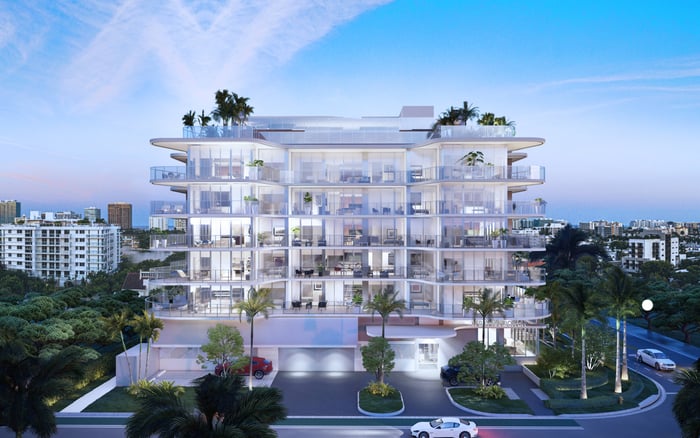
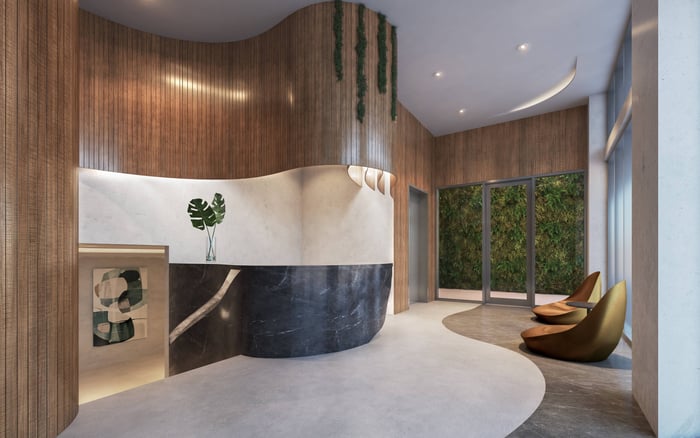
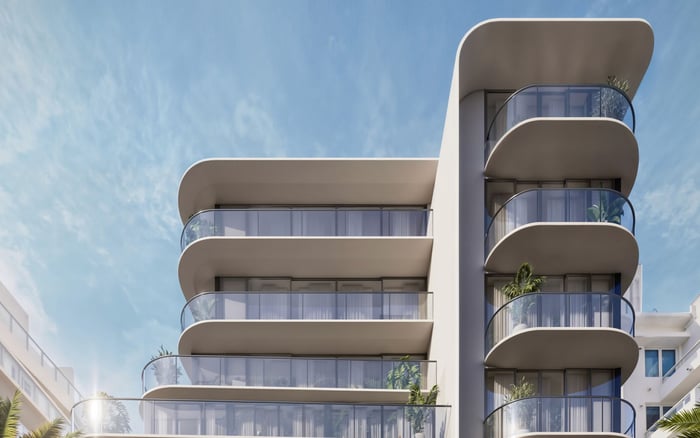
A buyer-focused framework for evaluating Alana Bay Harbor Islands through loss-history records, garage and equipment elevations, insurance terms, and documented storm-recovery procedures before closing.
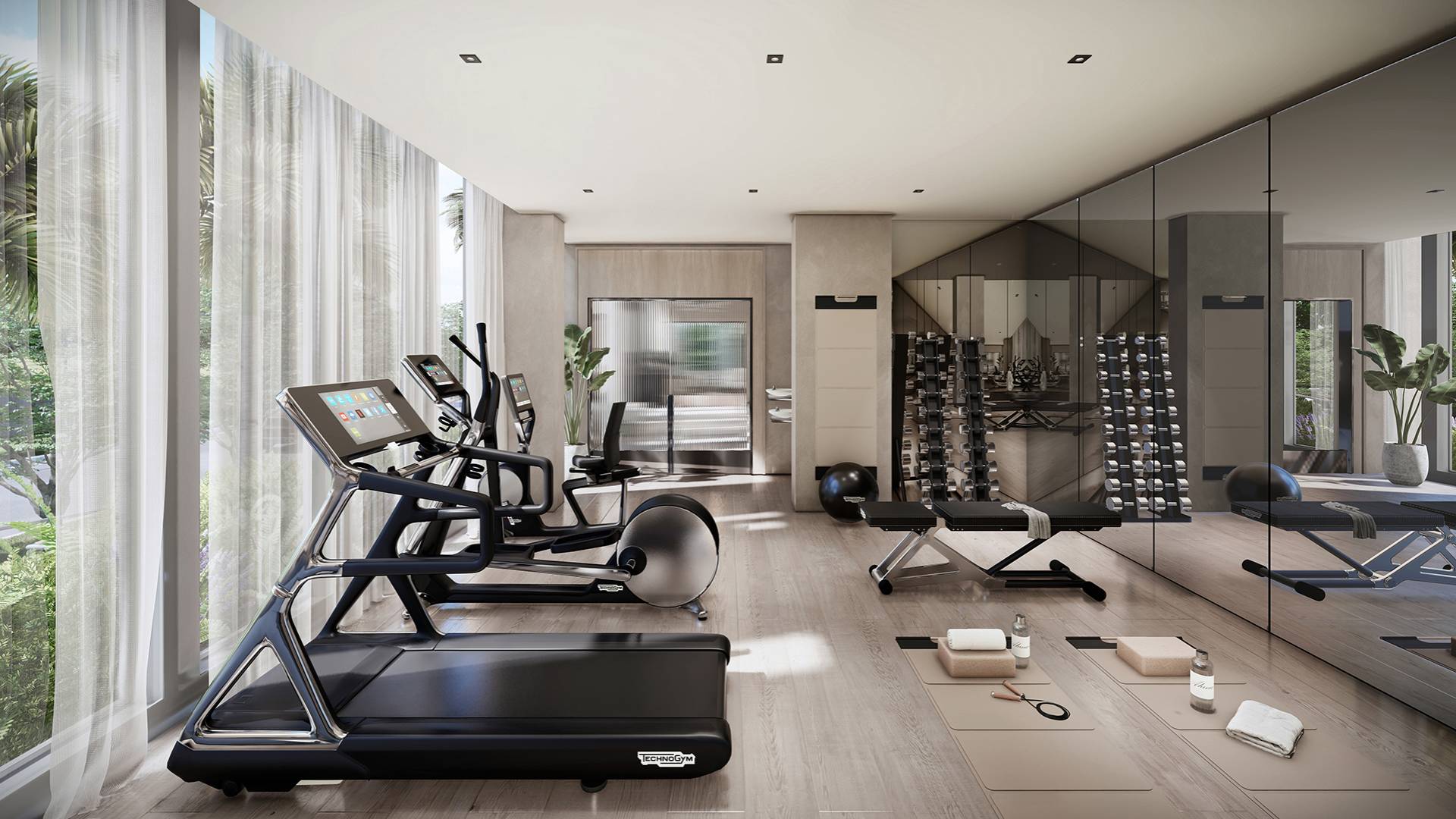
At Alana Bay Harbor Islands, ownership readiness calls for an examination beyond finishes and amenities: what the association has experienced, where essential equipment sits, and how the building would restore services after a disruptive storm.
Property-specific flood diligence is essential; it is not a verdict on any individual building. Alana’s flood-claim count and payout history are not verified here. Its equipment elevations, floodproofing, redundancy, and formal continuity arrangements should likewise be presumed neither adequate nor deficient.
For a purchaser considering Bay Harbor Islands alongside Bal Harbour, the distinction is fundamental. A residence’s finishes describe daily enjoyment; operating records help establish the conditions under which that enjoyment can resume after an interruption.
Begin with the property, not a neighborhood description. Request a current flood-map determination, the applicable base and design flood elevations, a garage elevation survey, and the completed FEMA Elevation Certificate, if available. Ask the municipality which property-specific flood records and elevation documents are available.
Keep three questions separate: the mapped flood designation, the garage’s physical elevation, and the elevation of each critical component. A designation alone does not establish whether a particular electrical installation sits above the relevant flood threshold.
Have a qualified professional identify the flood-elevation and equipment-protection requirements applicable to the building and its installations. That review should include confirmation of actual elevations and compliance, rather than relying on a generic code threshold.
Request five years of association loss runs, available flood-claim records, and details of open, settled, or denied claims involving flood, wind, water intrusion, the garage, and equipment. If the available operating history is shorter, establish exactly which period the records cover.
The absence of publicly disclosed claims is not evidence of a claim-free history. Equally, a claim entry warrants examination, not automatic rejection. Focus on the cause, affected systems, repair scope, unresolved costs, and completion of corrective work.
Ask the association to connect each material event to supporting documents: claim status, repair invoices, engineering assessments, permits where applicable, and any related assessment or reserve expenditure. Distinguish an insurance settlement from documented completion of repairs.
If Bay Harbor Towers is also on the shortlist, apply the same request structure there. Comparable documentation is more useful than assuming buildings in the same municipality share a loss history or recovery capability.
Covered garage parking, storage, and EV-charging availability remain features to verify at Alana. Those features do not establish where critical equipment is installed or how it is protected. Identify systems in or serving the garage without presuming they occupy its lowest level.
Request an equipment schedule covering switchgear, transformers, pumps, generators, HVAC, fire systems, and EV chargers. For each applicable component, ask for its location, surveyed elevation, protective measures, maintenance records, and relationship to essential building services. Have an engineer compare the schedule with the elevation documents.
Then examine the protective measures around that equipment. Request documentation for flood barriers, drainage, sump capacity, backflow prevention, garage-door ratings, and flood-resistant enclosures. Where deployable protection is identified, ask who installs it, what triggers deployment, and how readiness is checked.
Elevating and securing electrical appliances and reinforcing garage doors are property-protection measures, not evidence that any particular installation at Alana has been completed. Likewise, a pump inventory should prompt questions about capacity and power arrangements-not an assumption that drainage will remain operational throughout an outage.
A standard homeowners or condominium policy generally does not cover flood damage. Review separate flood protection alongside the master wind policy, distinguishing association responsibilities from those retained by the unit owner.
Have an insurance broker examine limits, deductibles, exclusions, sublimits, excess coverage, and the treatment of building systems and contents. Ask the broker to distinguish building and contents protection and identify the premium for each. Do not treat generic residential NFIP limits as the entire condominium building’s coverage ceiling.
Confirm effective dates in writing. Allow for a potential 30-day flood-insurance waiting period rather than assuming coverage begins at closing. Have the broker establish the timing applicable to the intended policy.
Bring the policy review back to the equipment schedule. Ask the broker how the actual wording would address damage to the identified systems and which costs could remain with the association or owner. Evaluate physical protection and insurance together, but do not treat either as a substitute for the other.
Common-area Wi-Fi, if offered, does not establish post-storm connectivity, backup power, or a documented business-continuity plan. Request the plan itself and evidence that its key arrangements have been tested.
The continuity review should cover generator-supported loads, tested runtime, fuel arrangements, elevator and garage-gate recovery procedures, water and sewage contingencies, resident communications, evacuation and re-entry criteria, and vendor commitments. Ask who has authority to initiate each action and how residents receive updates if normal communications fail.
Separate immediate emergency response from restoration of ordinary service. Request the planned sequence for inspections, equipment restart, access restoration, and resident re-entry. Do not treat any proposed timeline as guaranteed.
A purchaser also considering Onda Bay Harbor should request the same operational detail. Compare documented arrangements rather than inferring that amenities signal equivalent resilience.
Protective work belongs in the financial review as well as the engineering file. Ask the municipality and qualified professionals which permits and floodplain requirements apply to contemplated work, including equipment replacement or relocation. Do not assume that a limited scope of work is exempt.
Ask counsel and the appropriate technical professionals whether contemplated reconstruction or improvements would trigger substantial-improvement requirements or current flood-resistant construction standards. Establish the applicable valuation method and threshold rather than applying a generic percentage to an individual unit purchase.
Before contractual review deadlines expire, have a Florida condominium attorney and insurance broker assess the loss runs, policies, reserves, engineering assessments, planned capital projects, and related special assessments. Record unresolved questions, who is responsible for answering them, and which documents remain outstanding. The objective is neither a promise of uninterrupted service nor a presumption of vulnerability. It is a purchase decision supported by specific, reviewable evidence.
For a discreet conversation about your South Florida residential search, connect with MILLION.
If branded residences are on your mind — as a home or as an allocation — we would be glad to share what we are seeing, privately.
Begin a quiet conversationRequest a current property-specific flood-map determination and the applicable base and design flood elevations. Compare those records with the garage and critical-equipment elevations.
Alana’s flood-claim count and payout history are not verified here. Absence of publicly disclosed claims does not establish a claim-free history.
Request five years of association loss runs, available flood-claim records, and details of open, settled, or denied flood, wind, water-intrusion, garage, and equipment claims.
Request the garage elevation survey, completed FEMA Elevation Certificate if available, applicable base and design flood elevations, and a detailed equipment schedule.
Include switchgear, transformers, pumps, generators, HVAC, fire systems, and EV chargers where applicable. Verify each component’s location, elevation, and protective measures.
A standard condominium policy generally does not cover flood damage. Review separate flood coverage and clarify the division between association and unit-owner responsibilities.
No; allow for a potential 30-day waiting period and have the insurance broker confirm the effective date applicable to the intended policy.
No; common-area Wi-Fi alone would not establish post-storm connectivity, backup capability, or a formal continuity plan. Request documentation of the building’s recovery arrangements.
Request generator coverage and tested runtime, fuel arrangements, elevator and garage-gate recovery, water and sewage contingencies, communications, evacuation and re-entry criteria, and vendor commitments.
A Florida condominium attorney and insurance broker should review the relevant legal, financial, and coverage documents before review deadlines expire. Qualified technical professionals should assess elevations, equipment protection, and applicable construction requirements.