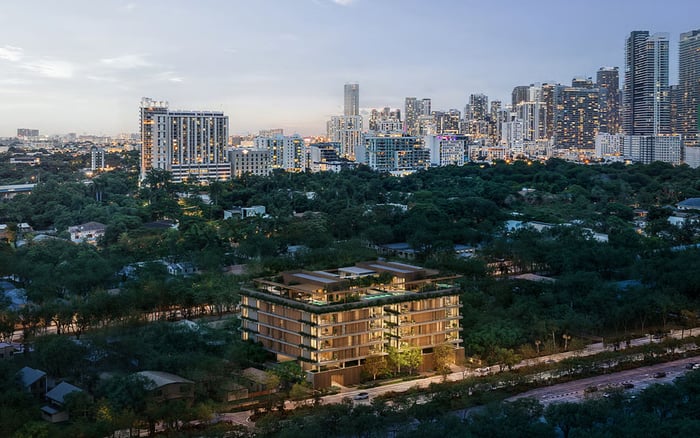
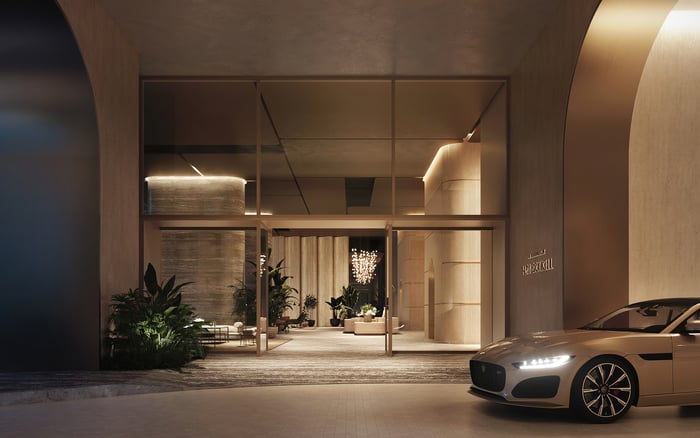
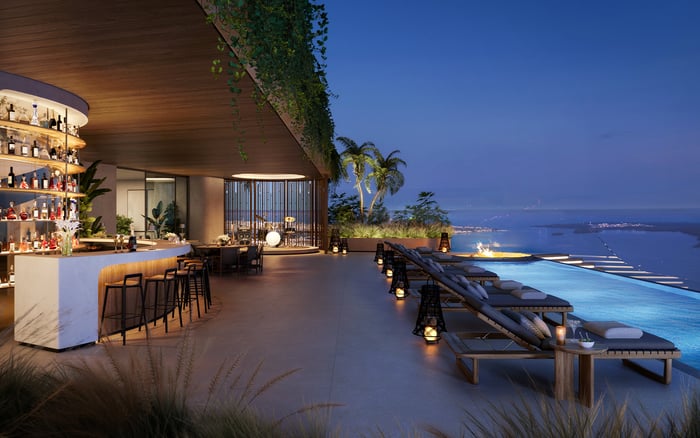
A discreet 2026 buyer’s guide to ORA by Casa Tua Brickell, focused on service culture, privacy expectations, lifestyle fit, and long-term ownership discipline in Brickell.
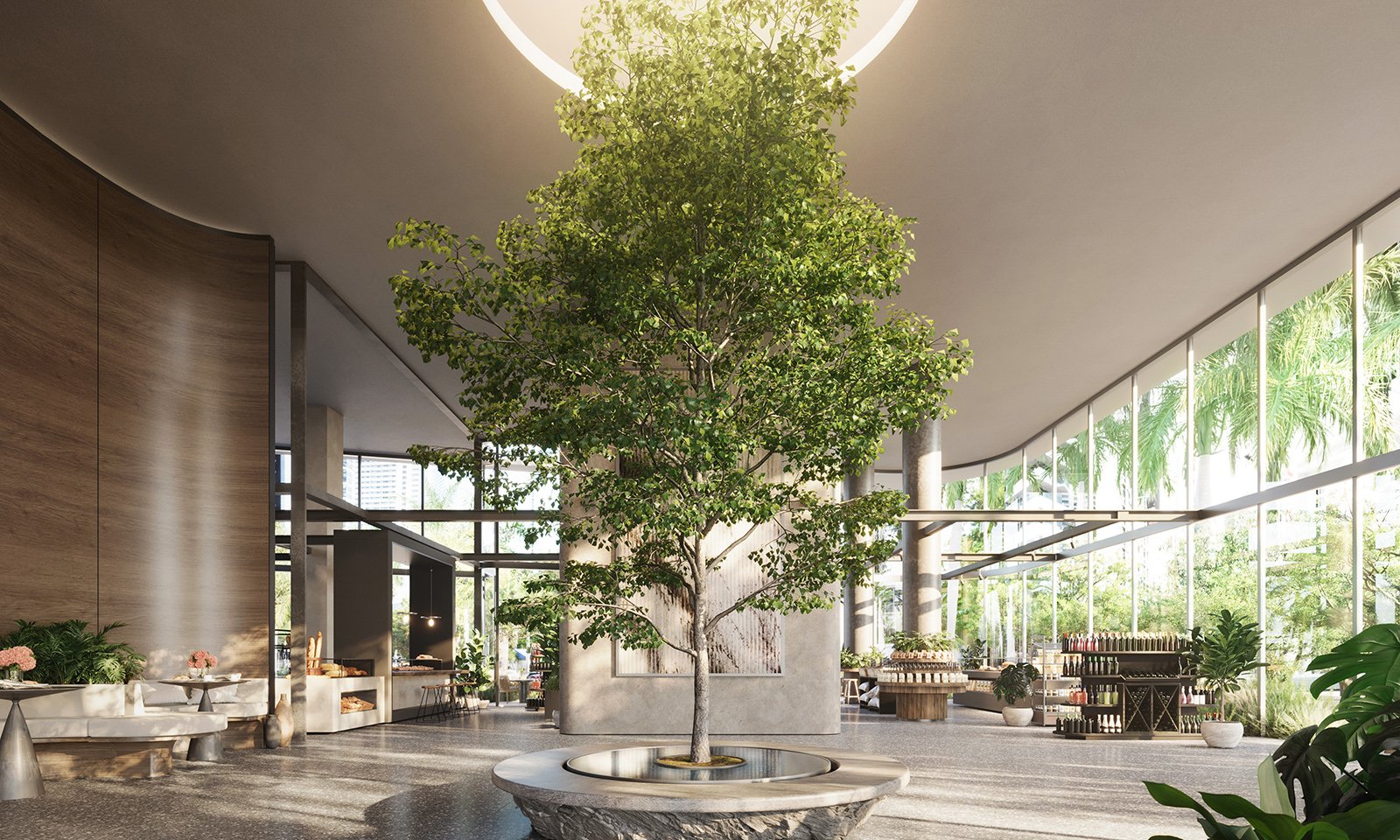
For a 2026 buyer, ORA by Casa Tua Brickell is not simply a question of whether the name feels desirable. The sharper question is whether the building’s service philosophy, privacy structure, and ownership rhythm align with how the residence will actually be used in Miami. In Brickell, where vertical luxury has matured quickly, the strongest decisions are rarely made by chasing the loudest amenity list. They come from identifying which residences will remain comfortable, usable, and quietly relevant after the first cycle of novelty has passed.
The appeal of ORA by Casa Tua Brickell begins with an idea sophisticated buyers already understand: hospitality can make residential life easier, but only when it is properly balanced. A high-service address should simplify arrivals, dining, guests, package flow, maintenance coordination, and daily transitions. It should not make private living feel exposed or overly programmed. That distinction matters in a neighborhood where many owners balance international travel, business commitments, seasonal use, and the desire for immediate access to Miami’s urban core.
Luxury service in a condominium is most valuable when it reduces friction without constantly announcing itself. Buyers should study how the arrival sequence is designed, how residents and guests are separated, how staff interact with owners, and whether the property’s hospitality components support daily life rather than becoming the center of it. A polished lobby has value, but a calm morning departure, a discreet evening return, and an intuitive guest experience usually matter more over time.
For ORA by Casa Tua Brickell, the service question should be framed around consistency. Does the building promise a lifestyle that can be delivered every day, not only during sales presentations or opening season? Does the staffing model appear compatible with the expected level of personalization? Are amenities designed for genuine use, or are they primarily visual statements? A buyer who travels frequently may prize coordination and lock-and-leave ease. A primary resident may care more about quiet routines, predictable access, and the sense that the building functions gracefully during busy hours.
This is also where comparison helps. Brickell buyers weighing service-led living often consider Cipriani Residences Brickell for its own hospitality vocabulary and Baccarat Residences Brickell for a more formal expression of branded residential glamour. The right choice is not necessarily the most recognizable name. It is the property whose service language matches the owner’s temperament.
Privacy in Brickell must be evaluated in layers. The first layer is physical: how residents enter, how guests are received, how amenity spaces are reached, and how circulation is organized. The second layer is social: whether the building feels intimate or highly activated, whether amenities invite lingering crowds, and whether restaurant or hospitality components create energy that remains appropriately managed. The third layer is operational: how the property handles deliveries, service providers, staff access, events, and owner requests.
For a buyer considering ORA, privacy should not be reduced to a single feature. It is a complete experience that begins at the curb and continues through the elevator, corridors, amenity decks, and residence entry. A residence can have impressive finishes and still feel less private if the building’s public and residential worlds are not carefully separated. Conversely, a highly urban building can feel serene when movement is choreographed well.
The most private fit may differ by buyer type. A frequent host may want a building that makes entertaining effortless while keeping the home itself protected. A family may focus on predictable access, controlled guest flow, and amenities that can be used without feeling overly exposed. A seasonal owner may want confidence that the residence remains secure, maintained, and simple to re-enter after time away.
The phrase long-term fit should be taken literally. Before comparing view lines, floor heights, or finish palettes, buyers should define the role the residence will play. Is it a primary Miami base, a second home, a pied-à-terre for business travel, or a longer-horizon investment held for lifestyle optionality? Each answer changes the right unit selection and the importance of specific building features.
Primary residents should prioritize storage, kitchen practicality, laundry placement, acoustic comfort, parking convenience, and the everyday usability of balconies or terraces. Second-home buyers may place more weight on lock-and-leave service, building security, owner communication, and the ease of arriving late or leaving quickly. Investors, even lifestyle investors, should scrutinize rental rules, association governance, operating costs, and the durability of demand for the specific residence type under consideration.
In the Brickell context, the strongest long-term residences are those that avoid dependence on a single trend. Buyers should look for layouts that accommodate real furniture, rooms with clear functions, and outdoor areas that feel usable rather than symbolic. A dramatic amenity can attract attention, but a well-proportioned living room, a calm bedroom sequence, and sensible service access often determine whether an owner remains satisfied.
Brickell has become a study in differentiated luxury. Some buyers want the most formal branded environment. Others want architectural discretion, wellness emphasis, bay proximity, or a more residential feel within the urban grid. ORA by Casa Tua Brickell should be evaluated within that full decision set, not in isolation.
A buyer looking for a quieter interpretation of Brickell may also study The Residences at 1428 Brickell, while those who prefer a more neighborhood-scaled lens may include 2200 Brickell in the conversation. These comparisons are useful because they sharpen the buyer’s priorities. If ORA feels most compelling because of service and social energy, that is a specific thesis. If another property feels stronger because of design restraint or residential calm, that is another.
The key is to avoid making a purely emotional decision. Branded and hospitality-influenced residences can be seductive, especially in Miami, where lifestyle is a genuine part of value. Yet the best buyers separate brand appeal from ownership mechanics. They ask how the building will age, how the association will function, how amenities will be maintained, and whether the owner experience will remain refined when the property is fully occupied.
A serious buyer should review the residence from the inside out. Start with the floor plan: entry sequence, bedroom separation, kitchen workflow, storage, ceiling feel, natural light, and usability of outdoor space. Then consider the building: arrival, elevators, amenity placement, staff structure, pet policy, guest rules, parking, and service access. Finally, examine ownership terms: deposit schedule, closing expectations, association budget assumptions, rental restrictions, and any rules that affect personal use.
For ORA by Casa Tua Brickell, buyers should pay particular attention to the relationship between hospitality and residential control. The ideal outcome is a building that feels alive without feeling public, serviced without feeling managed, and social without compromising retreat. That balance will determine whether the property works not only on a brochure, but on a Tuesday morning, a holiday weekend, and a return flight after midnight.
Is ORA by Casa Tua Brickell primarily a lifestyle purchase? It should be viewed as both a lifestyle decision and an ownership decision. The service concept may be central, but layout, rules, costs, and privacy remain equally important.
What should buyers evaluate first at ORA by Casa Tua Brickell? Begin with how the residence will be used: primary home, second home, business base, or investment. That answer should guide unit size, exposure, floor level, and service priorities.
How important is the Casa Tua association to the buying decision? The name can shape expectations around hospitality and atmosphere. Buyers should still focus on how those expectations translate into daily residential operations.
Is Brickell a good fit for privacy-focused buyers? It can be, provided the building manages access, circulation, amenities, and guest flow thoughtfully. Privacy in an urban tower depends more on execution than on location alone.
Should ORA be compared with other Brickell branded residences? Yes. Comparing service styles, amenity cultures, and ownership structures helps clarify whether ORA’s personality is the right match.
What makes a service-led condominium successful over time? Consistency is essential. Staffing, governance, maintenance, and resident communication must remain strong after the initial opening period.
Are amenities the main driver of long-term satisfaction? Amenities matter, but everyday livability often matters more. Floor plan efficiency, acoustic comfort, storage, parking, and privacy usually shape the long-term experience.
What should second-home buyers pay closest attention to? They should focus on lock-and-leave ease, owner communication, security, maintenance coordination, and the simplicity of arrivals and departures.
Can ORA by Casa Tua Brickell work for investors? It may, depending on rental rules, carrying costs, buyer demand, and the selected residence. Investors should avoid relying solely on brand appeal.
What is the best way to shortlist comparable options for touring? Start with location fit, delivery status, and daily lifestyle priorities, then compare stacks and elevations to validate views and privacy.
If you'd like a private walkthrough and a curated shortlist, connect with MILLION.
If branded residences are on your mind — as a home or as an allocation — we would be glad to share what we are seeing, privately.
Begin a quiet conversation