A buyer-focused guide to evaluating Fisher Island residences for private elevator arrivals, controlled guest access, service circulation, and day-to-day discretion.
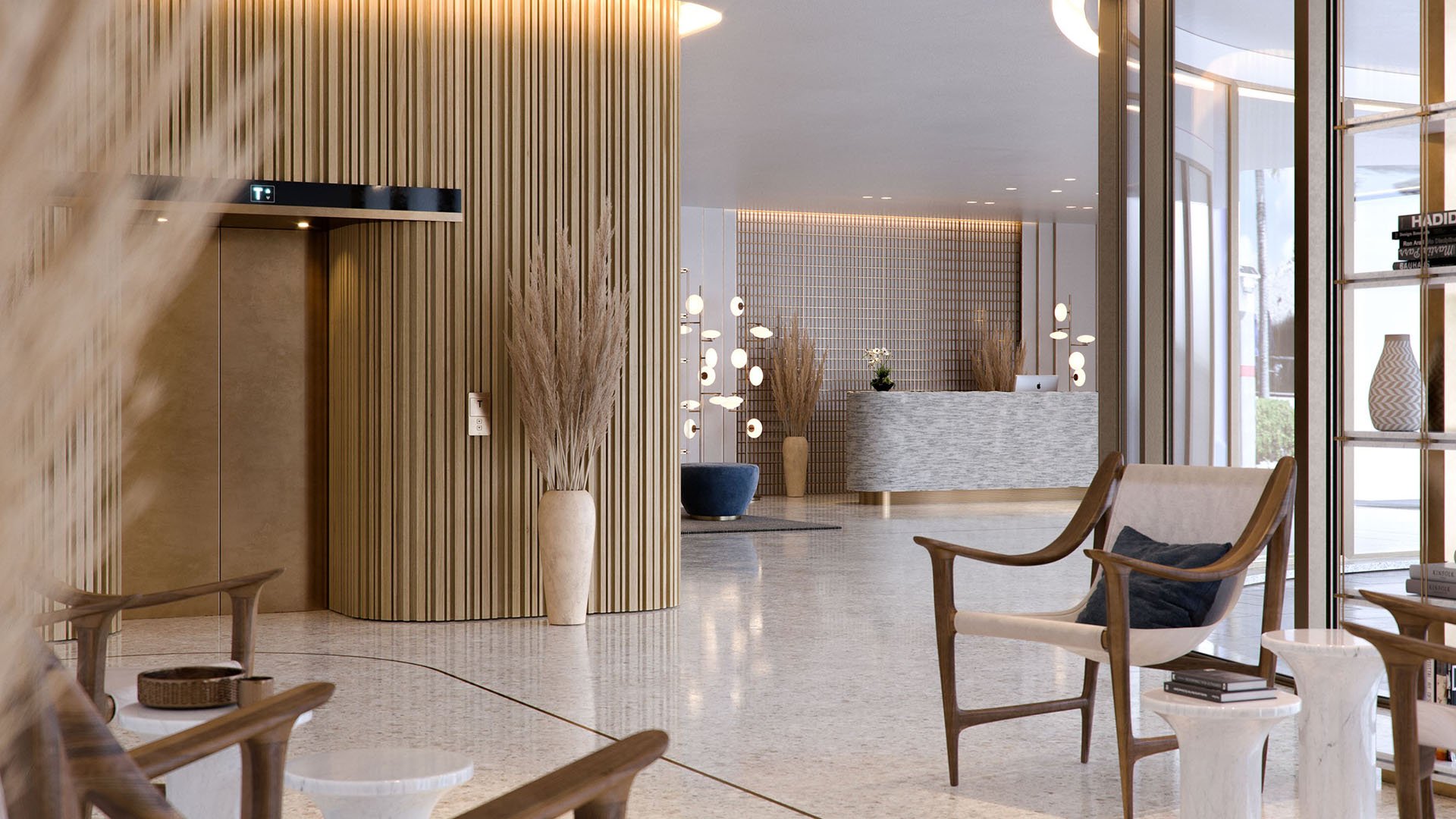
For Fisher Island buyers, a private elevator is more than an amenity. Its value rests on the entire arrival sequence: the transition from vehicle to lobby, the separation from shared circulation, the handling of visitors and deliveries, and the final threshold into the residence. Even a beautifully finished elevator cabin cannot compensate for an exposed garage route or a landing that feels communal.
The best choice in 2026 is therefore personal, not universal. A primary resident may prioritize effortless daily movement and controlled staff access, while a second-home owner may place greater weight on lock-and-leave simplicity. Privacy should be evaluated as an operating system, not a marketing phrase.
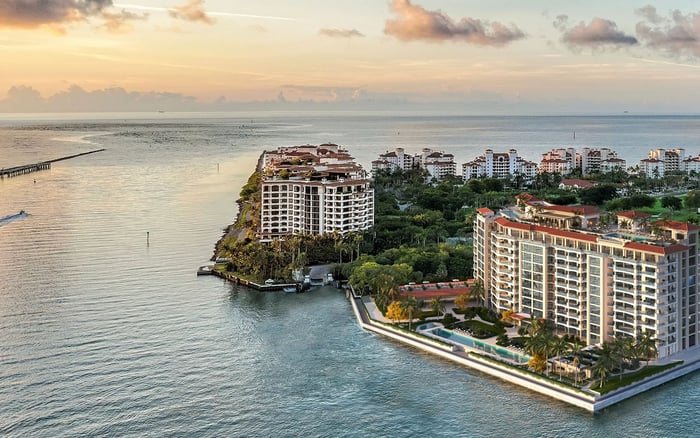
Fisher Island also belongs to the broader Miami Beach luxury conversation, yet its most compelling residences demand scrutiny at a finer scale. Waterfront views and polished interiors matter, but true discretion emerges through plans, protocols, staffing, and the choreography of everyday arrivals.
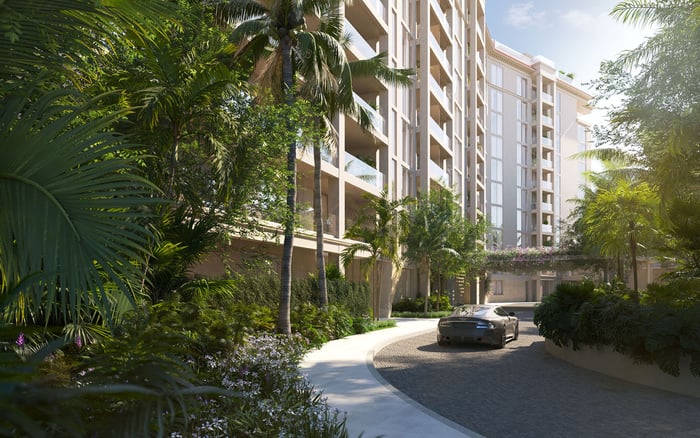
Begin with the route, not the residence. Walk the exact path from the assigned parking position to the elevator, then from the elevator landing to the front door. Note sightlines, door placement, camera locations, shared waiting areas, and every point where residents, guests, vendors, or staff may converge.
A buyer considering Palazzo del Sol should verify the arrangement for the specific residence rather than rely on a general building description. Floor plans, elevator banks, landing configurations, access credentials, and service routes may differ, making unit-level confirmation essential.
The strongest arrival sequence feels intuitive. Access control should be secure without becoming theatrical, while the private landing should read as a composed vestibule rather than leftover circulation space. Buyers should also test the backup route. Maintenance, moving days, emergencies, and elevator servicing reveal whether discretion extends beyond ideal conditions.
Guest privacy is not the same as guest exclusion. The objective is a gracious, legible welcome paired with controlled movement. Before purchasing, determine how visitors are announced, where they wait, who authorizes entry, whether credentials expire, and how each guest reaches the correct elevator without wandering through resident-only areas.
When touring Palazzo della Luna, structure the discussion around specific scenarios: a dinner guest arriving alone, a driver waiting, a family member staying for several days, or a vendor entering while the owner is away. Each situation tests a different aspect of access control.
Service circulation merits equal attention. Housekeeping, catering, deliveries, pet care, and property management should be accommodated without directing every interaction through the formal arrival. The ideal plan lets the owner decide when service is visible and when it remains quietly separate.
New-construction can provide an opportunity to review contemporary access concepts, but drawings and representations require careful examination. Determine which elements are contractual, which are illustrative, and which procedures will be set by future building operations. A private-elevator label should never substitute for a thorough review of plans and purchase documents.
For The Residences at Six Fisher Island, buyers can organize questions around the proposed journey from arrival to residence, guest authorization, service access, parking adjacency, and contingency circulation. The objective is not to assume a feature, but to establish precisely what is included and how it is intended to function.
Resale presents a different advantage: the arrival sequence can usually be experienced in real time. Visit at more than one hour, request a complete access demonstration, and observe how daily operations shape privacy. Sound transfer, door timing, staffing practices, and traffic at shared thresholds are easier to assess in an operating property.
Condominium privacy is often vertical, centered on elevator control and limited shared thresholds. Estate living may create a more horizontal sequence of gates, drives, garages, entries, and service approaches. Neither model is inherently more discreet. The better choice is the one that aligns with the household's routines.
A buyer exploring The Links Estates at Fisher Island should compare that arrival logic with the private-elevator experience available elsewhere. The contrast can clarify whether the priority is direct vertical access, greater spatial separation, or more control over multiple household entrances.
Lifestyle matters as well. Families, frequent hosts, collectors, and owners with regular household staff may define privacy differently. Map a normal week before assessing a property: resident arrivals, children and caregivers, overnight guests, deliveries, maintenance visits, entertaining, and periods when the home is unoccupied.
Request the residence floor plan, relevant parking plan, elevator configuration, and any available access-control documentation. Confirm whether the elevator opens directly into the residence, a private vestibule, or a limited shared landing. Establish who can issue credentials, how permissions are revoked, and what happens when a device or key is lost.
Then examine operations. Clarify guest announcement, package handling, food delivery, move-in procedures, contractor access, and after-hours protocols. Determine whether service personnel use a separate route and where they may wait. Consider how camera coverage balances security with residential discretion.
Finally, commission appropriate professional review of contracts, governing documents, insurance considerations, technology provisions, and renovation constraints. Privacy features may span hardware, software, staffing, and building rules; each layer should reinforce the others.
The best Fisher Island residence in 2026 will not merely promise seclusion. It will demonstrate a coherent, comfortable journey for owners while giving them precise control over guests and service. That quiet competence is the real luxury.
Does a private elevator guarantee a private arrival? No. The parking route, elevator bank, landing configuration, access controls, and backup circulation all shape the experience.
Should buyers verify elevator access for the individual residence? Yes. Confirm the exact floor plan, landing type, credentials, service route, and operating procedures for the residence under consideration.
What is the difference between a private vestibule and direct entry? A private vestibule creates a controlled transition outside the home, while direct entry may open immediately into the residence.
How should guest access be tested? Walk through several scenarios, including an announced dinner guest, an overnight visitor, a driver, and an unaccompanied vendor.
Why does service circulation matter? Separate service movement can reduce interruptions and preserve the formal arrival experience during deliveries, housekeeping, or catered events.
Is New-construction automatically more private than Resale? No. New plans require careful verification, while an operating resale property allows buyers to observe actual circulation and protocols.
When is the best time to tour? More than one visit is preferable. Different hours can reveal shifts in traffic, staffing, noise, deliveries, and activity at shared thresholds.
What documents should a buyer request? Request relevant floor plans, parking information, access-control details, governing documents, and materials describing elevator and service circulation.
Can technology alone provide discretion? No. Credentials and cameras are most effective when supported by thoughtful design, trained staff, clear rules, and reliable backup procedures.
What ultimately defines the best fit? The best residence aligns its arrival, guest, and service systems with the owner's household routines, hosting style, and expectations of privacy.
For a discreet conversation and a curated building-by-building shortlist, connect with MILLION.
If branded residences are on your mind — as a home or as an allocation — we would be glad to share what we are seeing, privately.
Begin a quiet conversation