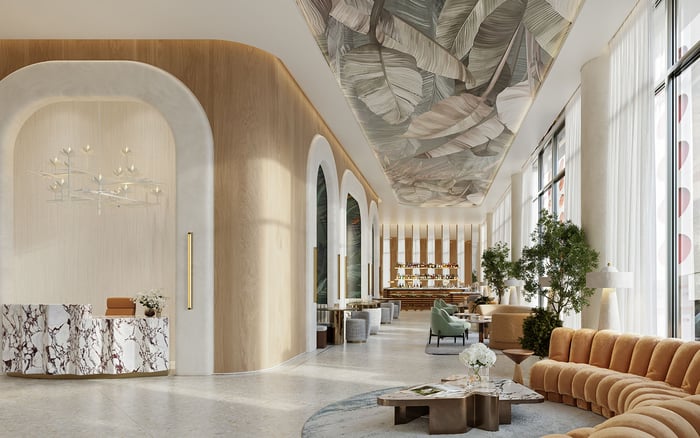
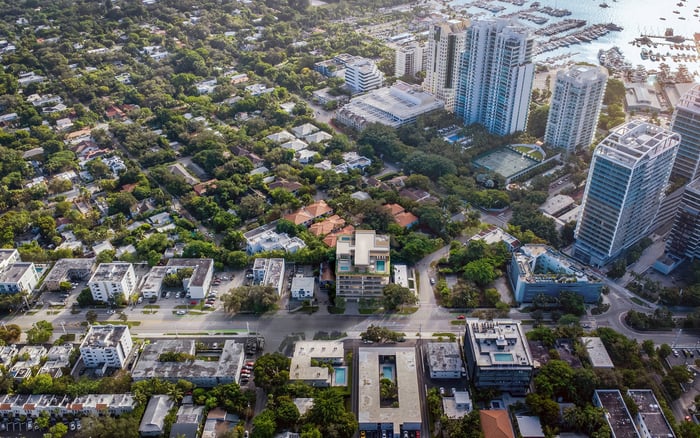
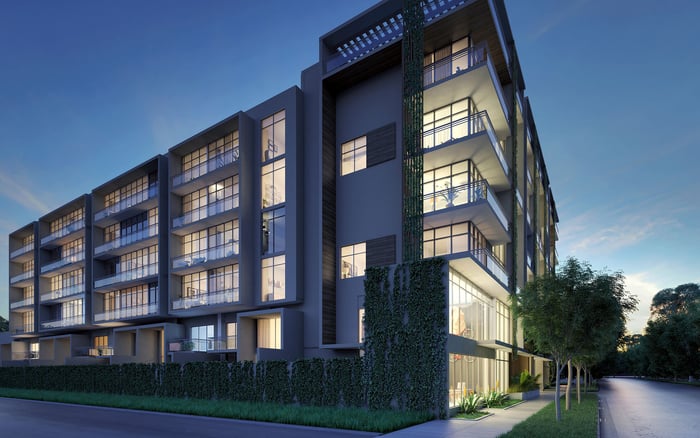
A buyer-focused look at how Opus Coconut Grove can frame guest-access management as a quiet luxury feature, connecting privacy, discretion, hospitality, and long-term perceived residential value.
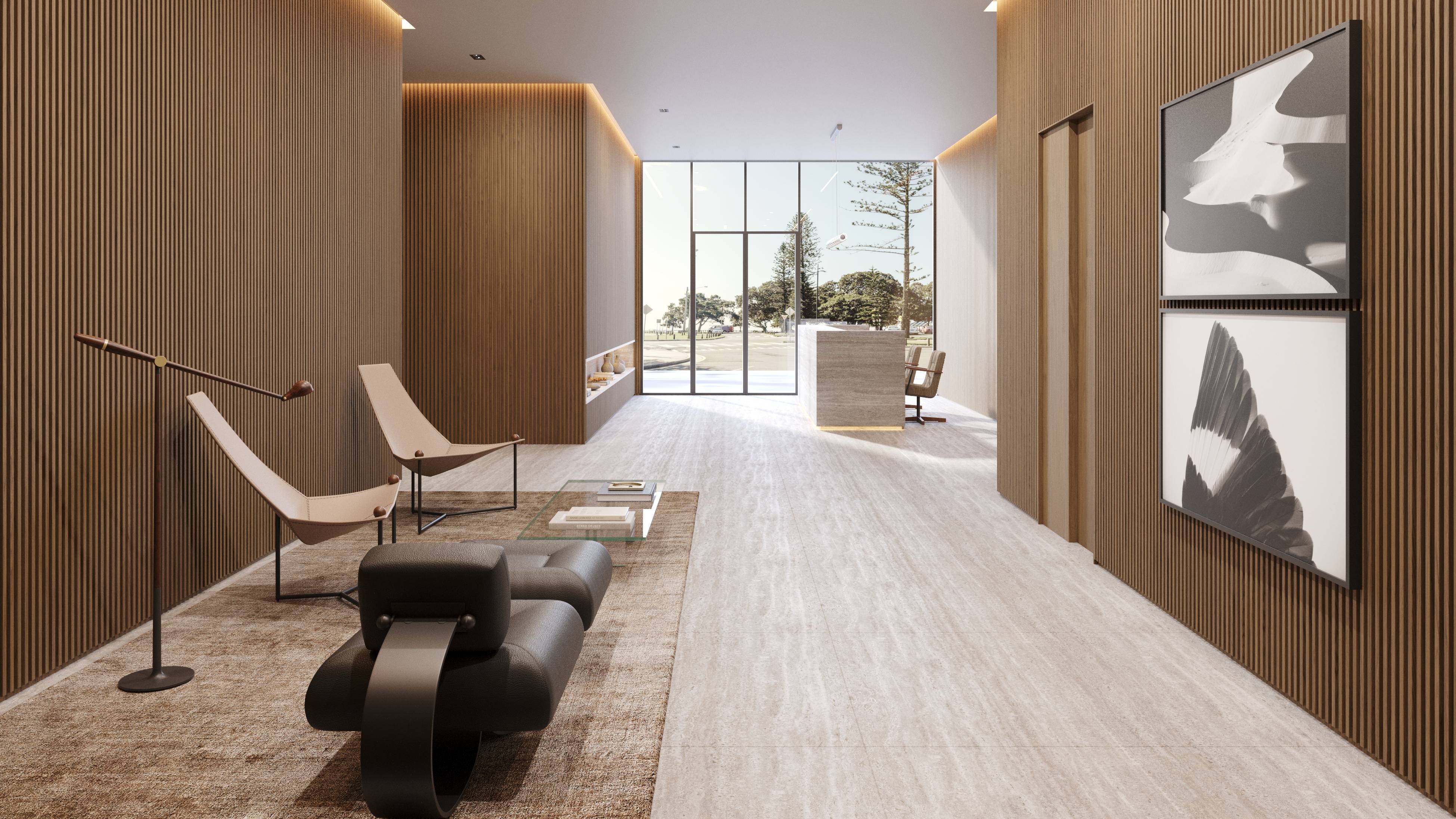
In South Florida’s upper tier, finishes have become extraordinarily refined. Private terraces, polished amenities, attentive service, and design-led residential spaces are no longer rare at the top of the market. As a result, the most sophisticated differentiators are often quieter. They live in the rhythm of arrival, the choreography of privacy, and the confidence a resident feels when home remains both welcoming and controlled.
That is where Opus Coconut Grove becomes a timely case study. The property is framed as a boutique, design-forward address in Coconut Grove, a Miami micro-market associated with a more discreet expression of luxury. For a residence like this, guest-access management is not merely a security function. It can be understood as part of the resident experience, shaping how private life meets the outside world.
The central question is simple but consequential: who is allowed in, how do they arrive, and how visible should that process feel? For affluent residents, the answer can define whether a building feels like a true sanctuary or simply a beautiful place with a busy front door.
Coconut Grove has a different emotional register than Miami’s more extroverted luxury districts. Brickell projects energy, verticality, and business momentum. South Beach is globally legible, social, and performative. Coconut Grove, by contrast, is prized for a village-like residential atmosphere, lush streets, and a coastal sensibility that feels more settled than staged.
That context matters. A privacy-conscious buyer looking at Opus Coconut Grove is not only evaluating interiors or amenities. They are evaluating the full residential atmosphere. The lobby, elevator flow, guest arrivals, service providers, deliveries, and visitors all become part of the invisible architecture of daily life.
In a neighborhood where the luxury language is quieter, access should feel composed rather than conspicuous. The best systems are not the ones residents constantly notice. They are the ones that allow the home to remain open to invited life while shielding it from unnecessary friction.
Quiet luxury is often described through materials, restraint, and taste. In residential living, it is also operational. A building can be visually serene yet feel chaotic if arrival is poorly managed. Conversely, a property can create a deep sense of ease when guests, staff, and residents move through it with discretion and clarity.
For Opus Coconut Grove, the editorial case is that guest access can operate like a curated social contract. Residents define the boundary of home. Staff or building operations help interpret that boundary. Guests experience hospitality rather than interrogation. The building’s brand is expressed not only in design, but in conduct.
This matters because high-net-worth residents are often globally mobile, privacy-conscious, and sensitive to authenticity. They may have homes in multiple markets, frequent visitors, and service relationships that require access without disorder. In that context, access management becomes a daily expression of trust.
A useful way to understand the positioning is this: security that feels heavy can diminish luxury, while access that feels effortless can elevate it. Technology, if present, is most luxurious when it disappears into the background, enabling verified arrivals and resident control without making the property feel over-policed.
Every condominium has degrees of permeability. A home is private, yet a residential building is shared. People pass through the same thresholds: residents, family members, dinner guests, drivers, housekeepers, designers, trainers, pet care providers, and maintenance professionals. Each interaction either reinforces calm or erodes it.
This is why the access conversation is larger than the front desk. It includes arrival tone, visitor recognition, elevator transitions, service circulation, and how much residents must personally intervene in everyday movement. The question is not whether a building should be sealed off from the world. It is whether the boundary between private and public life is intelligently composed.
For a boutique property, that composition can be especially powerful. Scale can support recognition, intimacy, and a more personal rhythm when executed well. In buyer language, the labels may point to Coconut Grove, boutique living, new construction, investment, and exclusivity, but the lived value is more human: privacy without stiffness, hospitality without exposure, and convenience without noise.
Luxury real estate value is not limited to square footage, views, or amenity count. It is also formed by emotional certainty. A resident wants to know that home will feel like home at 8 a.m., 8 p.m., and during a busy weekend when visitors, deliveries, and service appointments overlap.
Well-managed guest access supports practical value as well. It can reinforce privacy, security, hospitality, and operational discipline. These qualities are not always visible in a sales gallery, yet they can shape satisfaction after closing. Over time, that satisfaction can influence how residents talk about a building, how long they remain, and how confidently future buyers perceive the address.
In a competitive South Florida market, many high-end properties converge around similar visible promises. The less visible promises can become more meaningful. Calm arrivals, discreet verification, and resident-centered control can make a building feel more grown-up, more personal, and more enduring.
A discerning buyer considering Opus Coconut Grove does not need every operational detail to understand the importance of the issue. The better questions are conceptual. Does the building’s access philosophy match the neighborhood’s quiet luxury identity? Does guest arrival feel like hospitality or enforcement? Does the resident retain a sense of control without being burdened by constant management?
The ideal answer is balanced. A luxury residence should not feel porous in a way that compromises privacy. It also should not feel defensive in a way that undermines welcome. The strongest buildings create a middle condition: composed, intentional, and respectful of both resident autonomy and guest experience.
For Coconut Grove, this is especially relevant. The neighborhood’s appeal is not built on spectacle. It is built on atmosphere. A property like Opus can position guest-access management as one of the ways that atmosphere is protected, ensuring the experience of home begins before a resident reaches the residence itself.
The quiet luxury case for Opus Coconut Grove is not only about design. It is about discretion as a lifestyle principle. Guest-access management gives that principle a practical form. It addresses how residents welcome the world while preserving the privacy that made the address desirable in the first place.
In the next phase of South Florida luxury, the most compelling buildings may not be the loudest. They may be the ones that understand restraint, emotional security, and the value of invisible service. Opus Coconut Grove fits naturally into that conversation because its strongest narrative is not excess. It is composure.
Why does guest-access management matter in luxury real estate? It shapes privacy, arrival quality, and the daily boundary between home and the outside world.
How does this relate to Opus Coconut Grove? Opus Coconut Grove can be positioned as a boutique, design-forward property where access supports a quieter resident experience.
Is guest access only a security issue? No. In a luxury setting, it is also about hospitality, discretion, convenience, and resident control.
Why is Coconut Grove relevant to this topic? Coconut Grove is associated with a calmer, more residential luxury atmosphere than more overtly urban or tourist-heavy Miami areas.
What does quiet luxury mean in this context? It means privacy, restraint, smooth arrivals, and systems that work without drawing attention to themselves.
Should buyers ask about access policies? Yes. Buyers should understand how guests, service providers, and visitors are welcomed and managed.
Can technology enhance guest access? It can, especially when it remains low-friction and supports verified arrivals without making the building feel over-policed.
Does guest access affect long-term value? It may influence perceived value by supporting privacy, operational discipline, resident satisfaction, and confidence in the address.
What is the ideal guest experience in a quiet luxury building? Guests should feel welcomed, residents should feel in control, and the process should feel calm rather than conspicuous.
What should define the best access strategy? The best strategy should match the building’s identity, protect resident privacy, and preserve a sense of ease.
To compare the best-fit options with clarity, connect with MILLION.
If branded residences are on your mind — as a home or as an allocation — we would be glad to share what we are seeing, privately.
Begin a quiet conversation