A Wynwood residence deserves an operational review as considered as its design. Connect address-specific flood information with documented garage systems, departure arrangements, and a temporary-housing plan tailored to the household.

For a residence in Wynwood, a considered purchase extends beyond the floor plan. It means knowing how the household would respond if garage access, building services, or occupancy were interrupted. The objective is not a reassuring label, but a documented connection between the property's mapped exposure, its operating systems, and the owner's departure and accommodation plans.
An address-based flood-zone lookup is the starting point. Search the exact address rather than treating Wynwood as a single risk category. Request confirmation of the applicable designation from the relevant local office and review its insurance implications with an insurance agent. Keep current mapping distinct from preliminary information: an early view of projected risk is not interchangeable with a current designation.
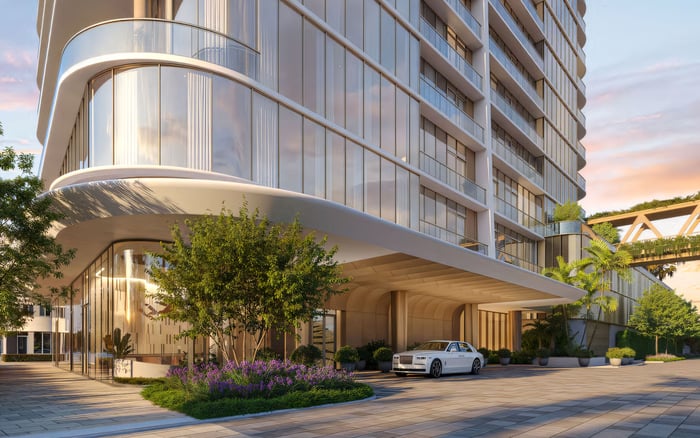
For buyers considering Frida Kahlo Wynwood Residences, request an address-specific review. A project name should never substitute for the records needed to evaluate a particular residence.
Ask the adviser handling the review to check location-specific map revisions and distinguish current information from preliminary flood-zone material. Preliminary material can include revised maps, supporting flood studies, and map databases. Record the information used, its status, and any questions requiring clarification before committing to the purchase.
Separate mapped exposure from building performance. A flood-zone designation does not establish a particular garage elevation, the position of electrical equipment, or whether a vehicle-storage arrangement is suitable during a storm. Those questions require property-specific documentation.
Request the relevant elevation records, building plans, and operating procedures for professional review. Where elevations are compared, ask the reviewer to explain the reference basis and what the comparison establishes. Treat an unanswered question as an outstanding diligence item-not evidence of either safety or deficiency. The result should be a concise record of what is documented, what remains unresolved, and who will resolve it.
The garage review should follow the systems a resident would depend on. Ask management to identify the locations and documented elevations of electrical panels, generators, elevator equipment, and pumps, where applicable. Request an explanation of garage ramps and drainage arrangements, along with the supporting records.
Move from location to function. Establish which services any backup-power arrangement is designed to support, what operating limitations apply, and who is responsible for testing and activation. A general reference to a generator does not confirm that every household or garage function will remain available.
For a vehicle collection, request written procedures for retrieval, planned access restrictions, resident notifications, and relocation arrangements. Establish who can act if the owner is away; do not assume staff will move vehicles.
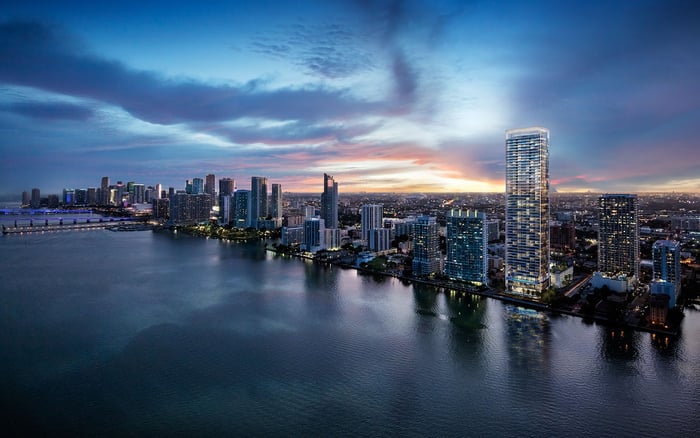
If the search also includes Aria Reserve Miami in Edgewater, use the same documentation checklist. This provides a consistent comparison method, not a basis for assuming the properties share exposure, equipment protection, or operating procedures.
Storm-surge planning requires its own address check, separate from the flood-map review. A storm-surge planning zone identifies an area that could be affected by surge. An active evacuation-order lookup answers a different question: whether the address is covered by an announced order.
Orders can apply to a zone or part of a zone. Do not substitute a broad neighborhood description for an address check against the actual order. Assign responsibility within the household for monitoring official instructions and communicating the decision to family members, caregivers, and anyone managing the residence.
Follow emergency officials' instructions for the specific hazard, including whether to evacuate or shelter in place. Do not treat a household sheltering plan as permission to disregard an evacuation order, and account for family members, caregivers, and pets in advance.
A departure plan should connect the residence door, vertical circulation, garage or pickup point, and onward travel. Ask management to explain planned service restrictions and how residents receive updates. For anyone needing assistance, discuss the departure sequence before an emergency rather than relying on untested assumptions about elevator or vehicle availability.
Identify candidate routes and alternatives for planning, but do not describe a corridor as guaranteed or all-weather without support. Recheck travel arrangements against current official instructions and conditions when departure becomes necessary. A map prepared during purchase diligence is not a promise of future road access.
For a buyer also evaluating 2200 Brickell in Brickell, keep the comparison operational: available documentation, the communication plan, and the household's ability to leave as instructed. A neighborhood preference cannot answer those questions on its own.
Treat emergency shelter and temporary housing as distinct planning tasks. Check current official announcements for hurricane evacuation-center openings. Do not assume a familiar facility will be open or build a longer-term accommodation plan around emergency shelter availability.
For a hotel, furnished rental, or another residence, seek direct confirmation of availability and terms. Ask about accessibility, caregiver accommodation, parking, and the precise scope of any backup-power provision. Keep a second option under consideration rather than treating an unconfirmed destination as secured.
Pets deserve explicit attention: confirm acceptance, restrictions, and any documentation the destination requests. Include medication storage, mobility needs, and sleeping arrangements in the household brief. These are booking and suitability questions, not established features of any proposed accommodation.
Second-home owners should also designate who can access essential documents, communicate with management, and coordinate departure if the owner is elsewhere. Put those responsibilities in writing and share them with the people expected to carry them out.
Before purchase, assemble one file containing the confirmed flood designation, separately checked surge-planning information, property records, unresolved equipment questions, departure responsibilities, and accommodation confirmations. Ask management what conditions and communications would govern a return after an interruption. Do not assume access and normal services will resume together.
If anyone in the household needs evacuation assistance, ask the county about current eligibility, enrollment requirements, and available transportation or sheltering support. Confirm arrangements before an emergency rather than assuming assistance has been secured.
The purchase standard is clarity, not a claim of zero risk. Evaluate the residence alongside a practical household plan, with documented answers where available and explicit follow-up where they are not.
Explore South Florida residences with a more considered ownership perspective at MILLION.
If branded residences are on your mind — as a home or as an allocation — we would be glad to share what we are seeing, privately.
Begin a quiet conversationUse the exact address. A neighborhood name is not a substitute for the property's applicable flood map and confirmed designation.
Request confirmation from the relevant local office and review insurance implications with an insurance agent. Keep the confirmation with the purchase diligence records.
No. Preliminary information provides an early view of projected risk and should be distinguished from current mapping and location-specific revisions.
No. Garage elevations, drainage arrangements, equipment locations, and vehicle-storage suitability require property-specific documentation and review.
Request documentation identifying relevant electrical panels, generators, elevator equipment, and pumps, including their locations and elevations. Ask which functions backup power supports and what limitations apply.
No. Surge planning identifies potential exposure, while an announced evacuation order determines whether an address is covered by an active instruction.
Do not treat a candidate route as guaranteed. Review departure arrangements against current official instructions and conditions when travel becomes necessary.
Check current official announcements rather than assuming a familiar facility is open. Keep longer-term accommodation planning separate from emergency shelter planning.
Confirm availability, pet acceptance, accessibility, caregiver accommodation, and any required backup-power capability directly with the destination. Do not assume those needs are covered by a general reservation inquiry.
Ask the county about current eligibility, enrollment requirements, and available transportation or sheltering support. Confirm arrangements before an emergency rather than assuming assistance has been secured.