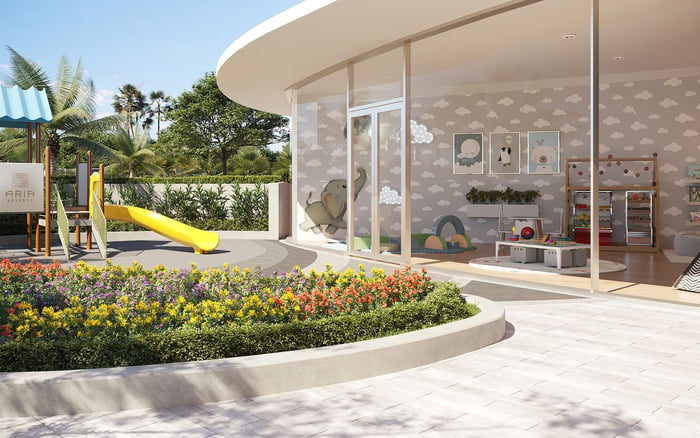
For a high-value Wynwood residence, an extensive amenity program is only the starting point. Test usable capacity, access rules and operating support during your intended season before treating shared spaces as an extension of home.
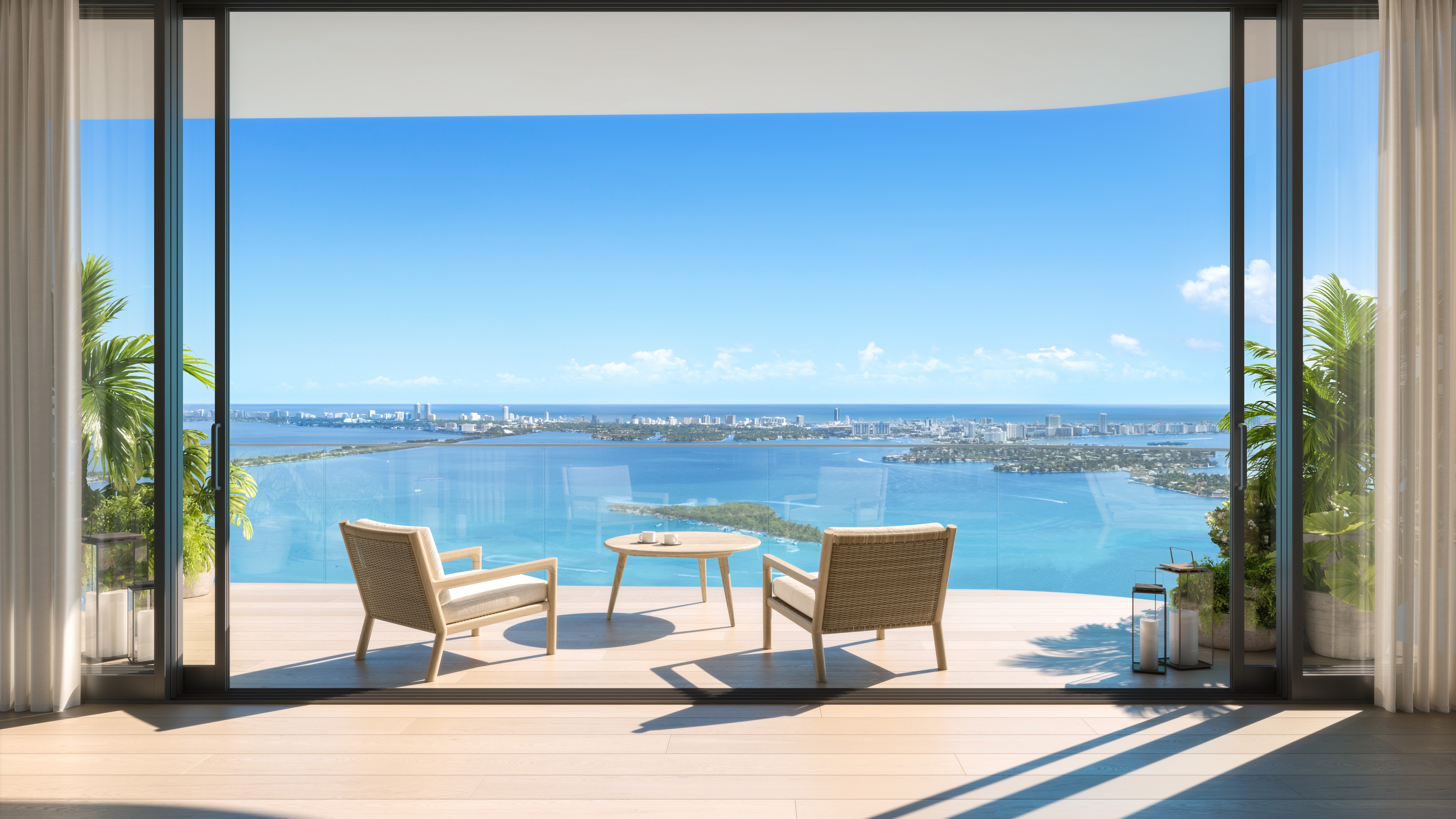
A rooftop pool can be beautifully composed and still fail a simple residential test: can you use it comfortably when you want to? For a high-value residence in Wynwood, the distinction between amenity provision and amenity capacity deserves as much attention as finishes or views. A brochure describes what exists or is proposed. Your decision should turn on what remains available during the season and hours that matter to you.
That principle applies to Frida Kahlo Wynwood Residences or any other residence on a Wynwood shortlist. Treat each proposed benefit as a question about access, not an assurance of availability. Where operations cannot yet be observed, distinguish planned facilities and policies from demonstrated performance.
The objective is not an empty building. It is a residence whose shared spaces support your routine without requiring you to reorganize it around other residents.
Begin with everyone entitled to use each space. Ask whether access extends beyond residents to guests or other authorized users, and whether private events temporarily remove facilities from general use. Then compare that population with usable seating, working equipment and reservable rooms-not the number of amenity categories.
If an amenity program lists multiple pools, grilling areas, entertainment rooms and fitness spaces, assess each separately. Distinct offerings may support different activities, but their number alone cannot establish comfortable simultaneous use.
If you include rental apartments in your Wynwood research, use them as amenity-design comparisons rather than evidence of available condominium purchases. Preserve that distinction when borrowing ideas for an ownership search.
In every comparison, separate physical capacity from practical availability. A room may exist yet be reserved, closed or unsuitable for your intended activity.
A fitness center's floor area can help frame an inspection, but it does not reveal equipment availability, circulation space or how many residents want to train at the same time. Assess any separate exercise or wellness rooms on their own terms rather than treating them as interchangeable capacity.
Inspect the stations you would actually use. Record whether your preferred equipment is available on arrival, the observed wait if it is occupied, and whether stretching or floor work can happen without obstructing circulation. A large room with the wrong equipment mix may serve your routine less well than a smaller, better-matched one.
Prioritize your own workout hour and repeat the visit during your intended season. If your routine varies, inspect both morning and evening availability rather than assuming either period will be quiet. One quiet showing cannot establish peak-period performance.
Where a pool deck includes private cabanas, ask how they are allocated, whether reservations or charges apply, and what seating remains for residents who have not booked ahead.
If a residence offers separate recreational and lap pools, examine how each accommodates its intended activities. Multiple settings do not prove that seating or swimming space remains available at busy times.
During a permitted visit, count usable, unoccupied loungers at your preferred hour. Note which seats meet your needs for shade or sun, and distinguish open seating from reserved areas. Ask about guest limits, operating hours and maintenance closures. Observe the journey upstairs, too: elevator queues and arrival delays belong in the same assessment as the deck itself.
A shared lounge should not automatically count as a dependable office. Assess whether calls, concentrated work and social conversation can coexist without competing for the same acoustic environment.
Where plans distinguish phone rooms, private offices and conference rooms, investigate the practical differences: which spaces require payment, how far ahead can residents reserve, and what happens when the desired room is unavailable? Examine whether workspaces are sufficiently separated from games and conversation areas for your intended use.
Apply the same scrutiny when considering Miami Tropic Residences: request the relevant plans and operating rules rather than assuming that a named workspace guarantees privacy. For gatherings, ask whether an alternative room can accommodate celebrations without displacing quiet everyday use. Flexible furnishings help only if the arrangement remains practical when occupied.
Before visiting, write a short use schedule: your workout hour, work-call window, pool time and likely guest visits. Arrange authorized inspections around those periods during the season you intend to occupy the residence. If possible, repeat the exercise on different days rather than relying on one appointment.
Keep a simple observation record covering equipment waits, available seating, workspace availability, elevator queues and arrival delays. Record the time and duration of each observation so a brief snapshot is not mistaken for a full-day pattern.
Ask management for resident and guest access rules, operating hours, reservation limits, staffing plans, maintenance closures and any available usage logs. Clarify who handles booking disputes, equipment outages and unauthorized access. An attractive room is not a substitute for a workable operating plan.
Where historical records are available, use them to put visits in context. Where a building is not operating, evaluate its proposed arrangements without assigning it an untested peak-season performance score.
Keep neighborhood benefits separate from resident-only capacity. Public plazas and nearby retail can be considered as neighborhood conveniences, but they do not establish how many residents can comfortably work, exercise or relax in shared residential spaces.
If your search extends into Edgewater, carry the same questions to Aria Reserve Miami. Keep the comparison consistent across neighborhoods: usable capacity, eligible users, access restrictions and observed availability. Do not give one address credit for brochure breadth while testing another against actual operations.
Finally, define your personal tolerances before deciding. Specify which activities must be available without advance booking, which can be scheduled, and which require a private alternative within the residence. This makes the assessment personal without making it impressionistic. The strongest fit is not necessarily the longest amenity menu, but the home whose shared spaces support the life you intend to lead.
For a residence search shaped by your daily priorities, connect with MILLION.
If branded residences are on your mind — as a home or as an allocation — we would be glad to share what we are seeing, privately.
Begin a quiet conversationAn amenity count describes the facilities offered, not whether they are available when you need them. Capacity assessment considers usable space, eligible users and access restrictions together.
Visit during your intended workout hour and season. If your routine varies, compare morning and evening availability rather than assuming either period will be quiet.
No; floor area alone does not establish equipment availability or simultaneous demand. Inspect the equipment you would use and observe any waits during your intended workout hour.
No; multiple pools describe provision rather than assured availability. Seating, guest access, reservations and closures still require evaluation.
Observe usable unoccupied loungers, seating that meets your shade or sun preferences, and reserved areas. Ask about cabana allocation, guest limits and maintenance closures.
Look for suitable separation and privacy rather than assuming a lounge will suffice. Check the availability, charges and booking rules for any phone rooms or private offices.
Request access rules, operating hours, reservation limits, staffing plans and maintenance-closure information. Any available usage logs can help put individual visits in context.
Yes, as amenity-design comparisons. Their facilities do not establish the availability of condominium purchases or prove peak-season performance.
Keep them separate from resident-only facilities. Neighborhood-facing space can be assessed as a neighborhood benefit, but its square footage does not establish residential amenity capacity.
Review proposed facilities, access policies, staffing and reservation arrangements. Treat them as plans rather than demonstrated evidence of peak-season availability.