For an estate retaining or transferring a Florida condominium, the essential review connects building condition, reserve funding, and repair completion. Carefully negotiated contract terms should address what remains unresolved, not merely confirm that documents were delivered.

A Florida residence can carry both financial and personal significance within an estate. Deciding whether to retain it, sell it, or distribute it to beneficiaries requires more than an appraisal and a polished presentation. For a condominium, the building’s condition and financial obligations warrant a separate review.
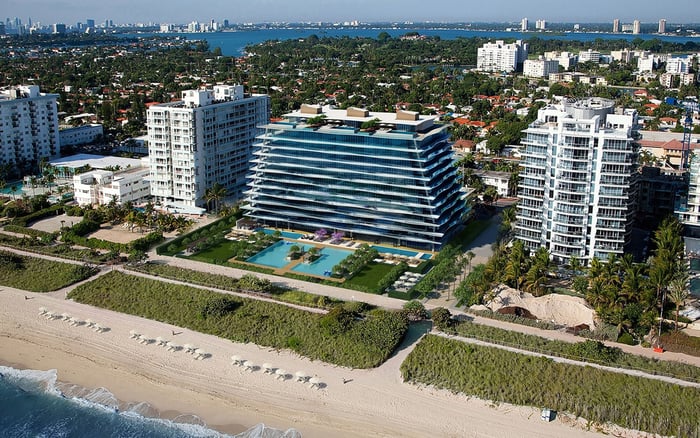
Keep three questions distinct: Have the required documents been delivered? Is the necessary work funded? Has that work been completed? A satisfactory answer to one does not establish the others. This distinction matters whether the family is considering a residence at Faena House Miami Beach or another Miami Beach address. The framework is general, not a statement about any named property’s condition or compliance.
The inspection and reserve rules discussed here primarily concern condominium and cooperative buildings, not every Florida residence. Counsel should confirm the law and local requirements applicable to the building, transaction, contract date, and closing date.
Florida residential condominium and cooperative buildings with three or more habitable stories generally require a milestone inspection at 30 years, measured from the certificate of occupancy, and every 10 years thereafter. Local enforcement agencies may require the first inspection at 25 years when local circumstances justify it. Mixed-use or mixed-ownership buildings containing residential condominium or cooperative units can also fall within these requirements.
Residential condominium associations generally must obtain a Structural Integrity Reserve Study, or SIRS, at least every 10 years for each building with three or more habitable stories. The study addresses future reserve needs; it is not proof of completed repairs.
Qualifying associations with milestone inspections due on or before December 31, 2026 may coordinate the SIRS with that inspection. Under this timing allowance, however, the SIRS cannot be delayed beyond December 31, 2026. Confirm eligibility rather than treating the allowance as a universal extension.
Request the complete milestone inspection and any applicable phase-two report. A board summary or meeting minutes may provide context, but should not replace the underlying findings.
The review should identify any finding of substantial structural deterioration, whether phase two was required, and which repairs or further investigations the inspector recommended. Ask counsel and an appropriate technical adviser to distinguish among an unanswered question, an identified defect, and a completed repair.
The same discipline applies when evaluating an estate’s options in Surfside, including a potential residence at The Surf Club Four Seasons Surfside. The property’s identity does not answer these questions; its own records must do that.
Organize unresolved findings by component, recommended action, and documented status. The aim is to establish which issues remain open before the estate commits to retaining or transferring the unit.
SIRS coverage includes roofs, load-bearing walls and foundations, fireproofing and fire-protection systems, plumbing, electrical systems, waterproofing and exterior painting, windows, exterior doors, and other qualifying components.
Read those findings alongside the association’s budget and reserve funding. The absence of a pending special assessment does not establish that future structural work is adequately funded. A study may identify needs that have not yet become an assessment payable by individual owners.
A useful review asks:
Which components require attention, and what timing does the study anticipate?
How does the budget address the identified reserve needs?
What funding gaps remain unexplained?
Does the proposed ownership plan account for unresolved work?
For an estate retaining the residence, these are ownership-cost questions even without an immediate sale. Consider a forward-looking cash plan rather than relying solely on the current association payment. Beneficiaries should understand the distinction between today’s charges and future funding exposure.
Developer-turnover records warrant a separate review for construction deficiencies, incomplete work, warranties, reserve assumptions, and unresolved developer obligations. The practical question is not simply whether turnover occurred, but what remained outstanding afterward.
For a family weighing continued ownership in Coconut Grove, or considering Park Grove Coconut Grove, this is a document-specific inquiry, not an inference about a particular development. Review the turnover materials that apply to the building and connect them to subsequent repair records.
Ask whether a deficiency identified at turnover reappears in later inspection findings. If it does, seek documentation explaining its status. Neither a warranty nor an expectation that another party will perform the work is evidence that the work is finished.
When the estate is selling or purchasing, counsel should translate material uncertainties into explicit contractual decisions. Assessment allocation, repair holdbacks, document updates, termination rights, and surviving representations are provisions to negotiate, not automatic statutory protections.
Define assessment responsibility precisely.
Language stating that the seller pays pending special assessments may leave important questions unanswered. Address approval dates, payment dates, installments, and the underlying repair condition. Consider how the agreement should treat identified work that has not yet produced an approved assessment.
Specify what must be updated.
Negotiate delivery of relevant new inspection findings, budgets, assessment decisions, and repair information before closing. Counsel should define the consequences of a material change rather than assume document delivery alone resolves it.
Make any holdback workable.
If the parties agree to retain funds for repairs, define the covered work, the evidence required for release, and the treatment of unresolved costs. A holdback should address a specific uncertainty, not substitute for understanding the repair scope.
Clarify remedies and continuing statements.
Any negotiated termination right or representation that survives closing should have a clear scope and duration. Tailor the language to the estate’s role and the information available.
Reconcile inspection findings with repair plans, permits, contracts, and completion records. Each document answers a different question. A repair contract describes an undertaking; it does not, by itself, prove completion.
For each material issue, seek a documented connection between the original finding, the work performed, and the evidence supporting closure. Where records do not reconcile, treat the status as unresolved for review purposes rather than offer broad assurances.
The objective is not an impossible promise that a building will never need work. It is a clear account of known conditions and the funding and obligations attached to them.
Florida condominium disclosure provisions address delivery of the most recent SIRS and statements identifying when a required study is incomplete or not required. Their application depends on the transaction. Do not assume ordinary resale rules apply identically to inheritance, estate distributions, or other non-sale transfers.
If the estate retains the unit, maintain the same discipline around inspection findings, reserves, and outstanding repairs. If it transfers the unit, have counsel identify the applicable disclosures and negotiated protections. In either case, informed stewardship means knowing what is documented, what is funded, and what remains unfinished.
For a considered perspective on South Florida residential ownership, explore MILLION.
If branded residences are on your mind — as a home or as an allocation — we would be glad to share what we are seeing, privately.
Begin a quiet conversationNo. The rules discussed primarily concern qualifying condominium and cooperative buildings, not every Florida residence.
Qualifying buildings generally require a milestone inspection at 30 years from the certificate of occupancy and every 10 years thereafter. Local enforcement agencies may require the first inspection at 25 years when local circumstances justify it.
Yes. Mixed-use or mixed-ownership buildings containing residential condominium or cooperative units can fall within the requirements.
Residential condominium associations generally must obtain a SIRS at least every 10 years for each building with three or more habitable stories.
Coverage includes roofs, load-bearing walls and foundations, fire-protection systems, plumbing, electrical systems, waterproofing, exterior painting, windows, exterior doors, and other qualifying components.
No. The inspection assesses building condition; review repair plans, permits, contracts, and completion records to understand whether identified issues have been resolved.
No. Compare SIRS findings with the budget and reserve funding because future structural needs may not yet have resulted in an approved assessment.
Review construction deficiencies, incomplete work, warranties, reserve assumptions, and unresolved developer obligations. Connect those records to later inspection findings and repair documentation.
No. Treat holdbacks, assessment allocation, document updates, termination rights, and surviving representations as provisions for counsel to negotiate.
Do not assume they do. Counsel should determine which provisions apply to the specific inheritance, distribution, sale, or other transfer.