A buyer-focused framework for confirming access technology, reviewing biometric consent, and documenting alternative credentials at The Ritz-Carlton Residences® Miami Beach, where project-specific procedures remain unverified.

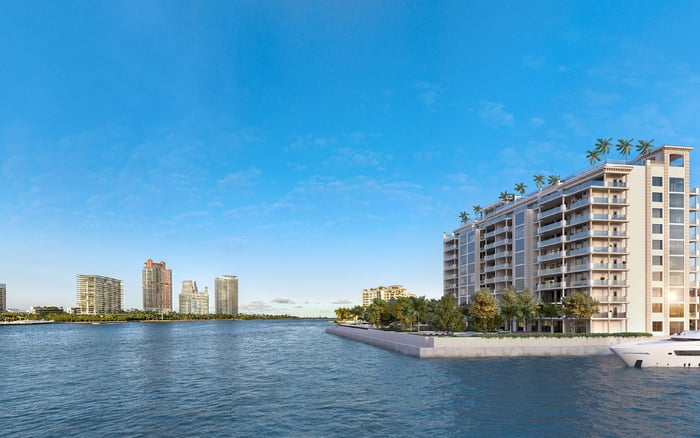
At The Ritz-Carlton Residences® Miami Beach, the residential setting is distinctive: a seven-acre waterfront property at 4701 Meridian Avenue, with 111 luxury condominiums and 15 stand-alone villas. Piero Lissoni designed the residences, which offer lake, ocean, and city vistas alongside service by The Ritz-Carlton.
For a buyer, however, an elegant arrival experience and a documented access policy are separate considerations. Whether this property uses biometric access remains unconfirmed. A project-specific biometric policy, consent form, retention schedule, and fallback credential protocol also remain unverified. That uncertainty neither establishes that biometrics are absent nor supports an assumption that they are installed.
The objective is straightforward: establish how the household will enter, what information enrollment would require, and what happens if its preferred credential cannot be used. Resolve those questions before an access arrangement becomes an ownership surprise.
Begin with a written request to management identifying the access technologies currently in operation and the locations they serve. Ask management to distinguish common entrances, parking access, elevators, amenities, and individual residence entry, where applicable. Do not assume one credential governs every threshold.
Separate existing equipment from proposed upgrades. If biometrics are used, ask what type, which users must enroll, and whether the system applies differently to condominium residences and stand-alone villas. These are questions to resolve, not established differences between the two residential formats.
If management confirms that no biometric enrollment is involved, focus on conventional credential issuance, replacement, and outage procedures. If biometric access is confirmed, request the governing policy and enrollment materials before providing biometric information.
A useful written response identifies the policy's effective date, the responsible management contact, and any pending change that could affect the buyer after closing. Treat a verbal description as an introduction to the documentation, not a substitute for it.
Service by The Ritz-Carlton does not establish a particular access technology. Nor do brand-level VIP access and Global Concierge benefits establish a staffed override procedure at this Miami Beach property. The distinction matters when a buyer expects hospitality-style assistance to resolve every entry problem.
When considering The Ritz-Carlton Residences® South Beach alongside the Meridian Avenue property, do not transfer assumptions about credentials, staffing, or enrollment between addresses. Request separate answers for each residence under consideration.
Frame the service question precisely: who is authorized to restore access, under what circumstances, and through what identity-checking procedure? Ask whether that assistance is available whenever entry may be needed. A concierge benefit is not proof of around-the-clock credential recovery. None of these operational arrangements is confirmed here.
If biometric collection is confirmed, request the exact consent document the buyer would be asked to sign. Ask whether enrollment is mandatory or optional, who must consent, and what access remains available to someone who declines. Do not infer optional enrollment from reassuring language about convenience.
Distinguish the information collected from the purposes for which it may be used. Request an explanation of whether the system stores images, biometric templates, or other records; who holds them; which vendors can access them; and whether information is shared beyond the access function.
Ask for written retention and deletion terms, including what happens upon sale, termination of an occupant's authorization, or a request to withdraw consent. Confirm whether withdrawal is permitted and whether deletion covers vendor-held copies and backups. No withdrawal right or deletion timetable is established for this property here.
Florida Statutes Chapter 718 provides the condominium-law framework, not this property's biometric consent form or fallback protocol. Have Florida condominium counsel assess the applicable governing documents and any adoption or amendment history. Do not presume that a particular amendment is universally required or that signing a consent form settles every governance question.
If biometrics are in use, request written confirmation of any non-biometric alternative. Cards, fobs, mobile credentials, physical keys, and staff-assisted entry are possibilities to ask about, not confirmed offerings at this address.
An alternative warrants more scrutiny than an assurance that it exists. Ask whether it provides access to the same authorized destinations, operates during the same hours, and requires a different entrance or repeated intervention. Clarify issuance fees, replacement charges, credential limits, and the procedure for disabling a lost credential without disrupting the rest of the household.
Distinguish an enrollment alternative from an emergency fallback. A credential offered to someone who declines biometric enrollment may not resolve access during a system outage. Conversely, a temporary staff-assisted workaround may not be a satisfactory everyday arrangement.
Where practical, request an authorized demonstration of the proposed access route before closing. The goal is to establish usable access without requesting sensitive security configurations or testing controls without permission.
For a household that arrives intermittently, discuss late arrivals, a depleted phone battery, a lost credential, and a biometric reader that does not recognize an enrolled user. Ask how management would handle each scenario and what identification would be required. Do not assume one fallback works during both a network interruption and a broader power outage.
Clarify access arrangements for authorized occupants, visiting family, caregivers, and household personnel. Ask who can approve their credentials, whether permissions can be time-limited, and how authorization ends. Tailor these questions to the intended household rather than relying on a generic owner-enrollment description.
A buyer also considering Setai Residences Miami Beach can use the same household scenarios in a separate inquiry. This is a comparison framework, not a claim that the properties use similar technology or policies.
Assemble a concise access file containing management's written confirmation of the operating system, applicable rules, any consent materials, alternative-credential terms, and recovery procedures. Where a document does not apply, ask management to confirm that in writing rather than filling the gap with assumptions.
Have counsel reconcile material inconsistencies between management's explanation and the transaction documents. If a promised alternative is essential to the purchase decision, discuss how to address that requirement within the transaction's actual terms and deadlines. Do not presume a cancellation right or post-closing remedy.
The standard is not the most elaborate technology. It is a clear, acceptable arrangement that protects privacy and supports the household's daily life, including the moments when routine entry fails.
For a discreet approach to South Florida residential selection, connect with MILLION.
If branded residences are on your mind — as a home or as an allocation — we would be glad to share what we are seeing, privately.
Begin a quiet conversationBiometric access remains unverified. Buyers should obtain written confirmation from management rather than infer its presence or absence.
The property is identified at 4701 Meridian Avenue, Miami Beach.
The residential collection includes 111 luxury condominiums and 15 stand-alone villas on a seven-acre property.
No. The service offering and brand-level concierge benefits do not establish a property-specific staffed override procedure.
Optional enrollment is not confirmed. If biometrics are used, ask management whether enrollment is mandatory and what access is available to someone who declines.
Request the applicable policy, exact consent form, collection and use terms, vendor-access details, and retention and deletion provisions.
Neither a consent-withdrawal procedure nor a deletion timetable is established here. Ask for written terms addressing both management-held and vendor-held information.
No specific alternative credential is confirmed. Ask which alternatives are available and whether they provide equivalent authorized routes and hours.
No. Chapter 718 provides the condominium-law framework, not a project-specific biometric consent form or fallback-access protocol.
Discuss late arrivals, lost credentials, depleted phone batteries, reader failures, and outages. Also clarify authorization for family members, caregivers, and household personnel.