A buyer-oriented framework for evaluating Alba’s reserve funding, investment liquidity, and potential capital-call timing, with a clear distinction between planning assumptions and documented obligations.
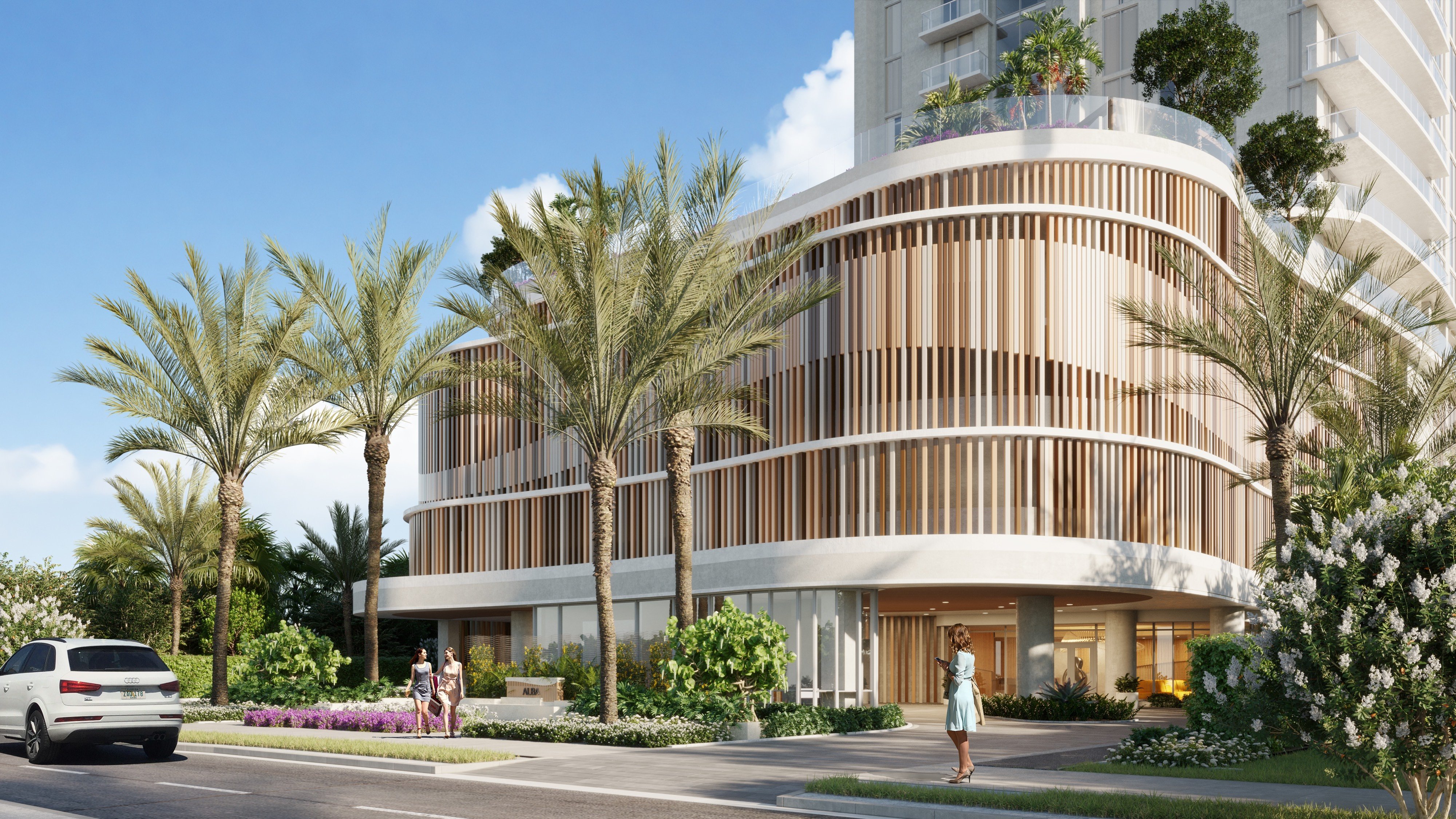
For a buyer considering Alba West Palm Beach, operational due diligence deserves the same attention as the residence itself. Marketed as Alba Palm Beach, the Intracoastal waterfront condominium in West Palm Beach is described as a 22-story tower with 55 residences. Its financial evaluation, however, should begin with documents-not architecture or scale.
The central question is not simply how much the association collects each month. It is whether planned contributions, available reserves, and investment maturities align with the dates when common-area work must be paid for. A reserve balance without a spending calendar tells only part of the story.
This is a framework for evaluating Alba, not a conclusion about its financial condition. Neither a capital-call date nor an owner's future obligation should be inferred from the building's height, waterfront setting, or residence count.
Request the adopted budget, current reserve balances, latest applicable reserve study, component-level expenditure schedule, and documentation of approved or proposed special assessments. Read them together; no single document is sufficient.
First, separate the monthly assessment into operating expenses and reserve contributions. Compare the reserve contribution schedule with the study's recommendations and projected repair spending. Ask management to explain differences in amounts, timing, and assumptions, including whether the budget reflects the latest available cost estimates.
Next, reconcile reserve balances with account statements and the investment schedule. Identify what is immediately accessible, what matures later, and what is already committed to planned work. Funds earmarked for one obligation should not casually be counted again as protection against another.
For a buyer also considering Forté on Flagler West Palm Beach, the same document request provides a consistent basis for comparison. Compare funding assumptions and payment timing-not monthly assessments in isolation.
Florida's 2022 SB 4-D established milestone structural inspections and Structural Integrity Reserve Studies, commonly called SIRS, for qualifying condominium and cooperative buildings. They serve distinct purposes: one evaluates structural integrity; the other informs funding for future major repairs and replacements.
A SIRS uses a visual inspection to identify covered common-area components, estimate remaining useful lives, and develop repair or replacement cost estimates and recommended annual reserve contributions. The original framework included roofs, load-bearing walls, floors, foundations, fireproofing, fire-protection systems, and plumbing.
The general SIRS framework addresses buildings three stories or higher and calls for studies at least every ten years after condominium creation. That recurring cycle does not establish Alba's first study deadline, nor does it provide a ten-year funding grace period.
Milestone inspections follow a separate timetable. Under the 2022 framework, a licensed architect or engineer evaluates structural integrity, with Phase II required when Phase I identifies substantial structural deterioration. Historical age and coastal-distance triggers should not be treated as Alba's current deadlines without confirming applicable law and building-specific dates.
Before assigning any deadline, establish the condominium-creation, completion, and turnover dates. Then have qualified advisers confirm the requirements that apply.
Reserve adequacy and liquidity are related but distinct. Adequacy concerns whether the funding plan supports anticipated obligations. Liquidity concerns whether money is accessible when payment is due.
Ask for a schedule that places expected repair payments alongside reserve cash, anticipated contributions, and investment maturities. Compare them date by date. A future maturity may support long-term funding while doing little for an earlier contractor payment.
Similarly, “fully funded” should not be read as a promise that every component's entire future replacement cost is sitting in cash today. The relevant questions concern the applicable funding requirements, contribution schedule, and projected expenditures.
Buyers weighing Shorecrest Flagler Drive West Palm Beach alongside Alba can use this approach without assuming either association follows a particular strategy. Ask each to demonstrate how accessible funds match its own spending calendar.
Evaluate a written reserve investment policy against the association's obligations, not its stated yield alone. Request details on permitted instruments, account institutions, insurance coverage, minimum liquidity targets, and the maturity schedule. Ask who authorizes transactions and how the policy is monitored.
Then examine whether the holdings match the written policy. Clarify access restrictions, potential early-exit costs, and the consequences of needing funds before maturity. Low-risk, liquid holdings are a due-diligence consideration here-not an assertion about Alba's practices or a universal statutory investment mandate.
The original 2022 framework restricted waiving or reducing reserves for specified structural components and redirecting those funds to unrelated purposes. Confirm current restrictions with counsel before treating reserve accounts as interchangeable pools of cash.
The strongest explanation is practical: management should be able to connect each material near-term payment to an appropriate, accessible funding source. A yield figure alone cannot establish that connection.
Recurring reserve contributions are not the same as special assessments. Contributions belong to the ongoing funding schedule; special assessments represent additional obligations that must be evaluated through supporting documentation. Reserve planning does not eliminate special-assessment risk when necessary repairs exceed available funding.
For any potential capital call, distinguish among an estimated future expenditure, a proposed assessment, and an approved assessment. Request the underlying scope, cost assumptions, available funding, approval status, and payment dates. Ask counsel to confirm the allocation applicable to the residence rather than dividing a building-wide amount by 55.
For approved obligations, review the payment schedule against the anticipated closing date and seek advice on contractual responsibility. For proposals, understand what remains undecided. Do not turn preliminary discussion into a fixed liability-or dismiss it as irrelevant.
A purchaser comparing Mr. C Residences West Palm Beach with Alba should apply the same distinction between adopted obligations and planning assumptions. That distinction keeps the comparison focused on documented ownership costs.
Finally, ask management to test an accelerated repair scenario. Move a planned expenditure earlier and compare the resulting payment needs with accessible reserves, expected contributions, and investments maturing in time. This tests financial resilience; it is not a forecast of deterioration or a prediction of an assessment.
Identify any shortfall and ask how it would be addressed, including the necessary approvals and collection timing. The objective is not certainty about every future expense. It is to understand whether the funding plan remains workable when timing changes.
For a waterfront residence, financial clarity is part of the ownership experience. A documented contribution schedule, a clear investment policy, and candid treatment of contingent costs make the purchase decision more deliberate.
For a discreet perspective on your West Palm Beach purchase, connect with MILLION.
If branded residences are on your mind — as a home or as an allocation — we would be glad to share what we are seeing, privately.
Begin a quiet conversationRequest the adopted budget, reserve balances, latest applicable reserve study, component-level expenditure schedule, and documentation of approved or proposed special assessments.
A SIRS identifies covered common-area components and estimates remaining useful lives, repair or replacement costs, and recommended annual reserve contributions.
No. A SIRS informs reserve funding, while a milestone inspection evaluates structural integrity; their schedules should be assessed separately.
No. Confirm relevant building dates and applicable requirements with qualified advisers rather than treating the recurring cycle as a first deadline or funding grace period.
The association needs accessible funds when repair payments come due. An investment maturing after a payment date may not meet that immediate need.
Not necessarily. Evaluate the applicable funding requirements and contribution schedule against projected expenditures rather than assuming all future costs must be held in cash immediately.
Review permitted instruments, account institutions, insurance coverage, liquidity targets, and maturities. Compare the actual holdings with the policy and anticipated payment dates.
No. Necessary repairs can create additional funding needs when existing reserves are insufficient.
No. Timing must be evaluated through expenditure schedules and assessment documentation, not building height or residence count.
It moves a planned expenditure earlier and compares the payment need with accessible reserves, contributions, and investment maturities. It is a planning exercise, not a forecast.