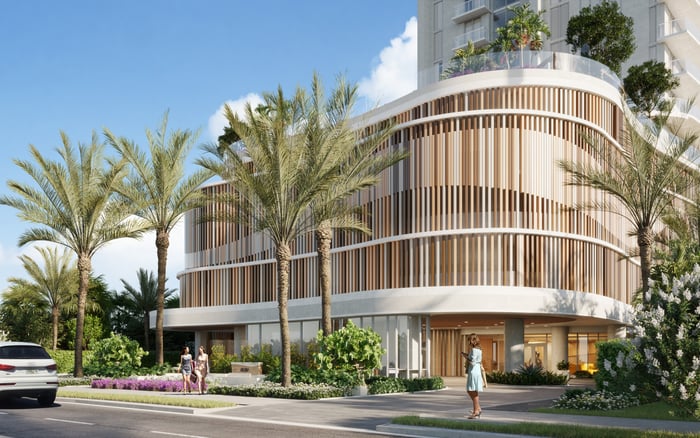
At Shorecrest, the most important storm-risk number may not be the premium. Buyers should model the hurricane or windstorm deductible from the insured limit identified in the quotation, then review the unit policy alongside the association’s master coverage and assessment framework.
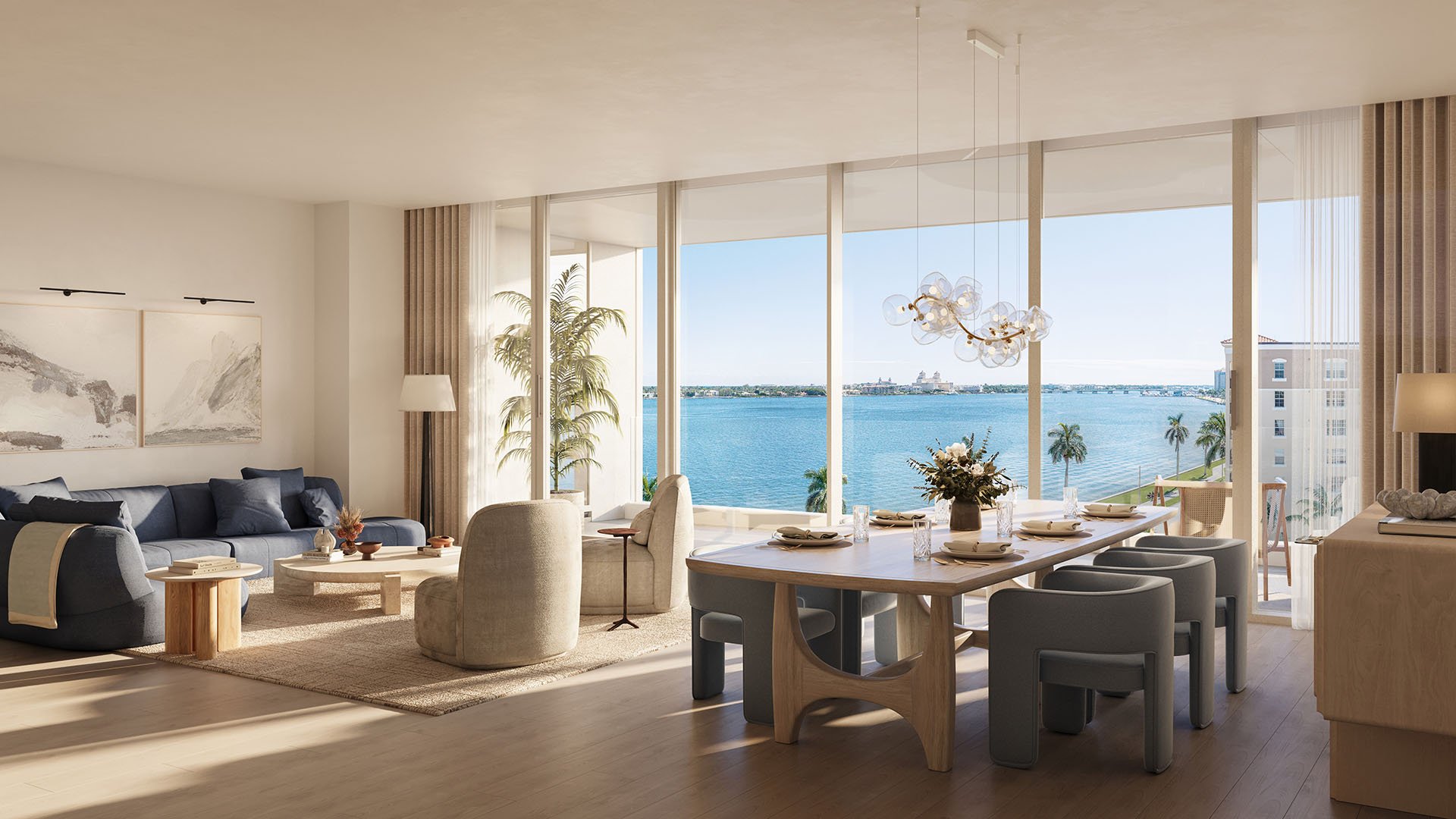
For a buyer considering Shorecrest Flagler Drive West Palm Beach, insurance analysis should begin before the closing calendar becomes crowded. The central question is practical: how much capital might an owner need to contribute before coverage responds after a major covered storm claim?
Premiums matter, but they do not describe the entire risk retained by the owner. A lower premium paired with a larger deductible may shift more of the immediate financial burden to the policyholder. The only reliable way to understand that trade-off is to compare written quotations with matching limits, terms and covered responsibilities.
A deductible becomes a balance-sheet issue when it represents a substantial amount of owner capital.
When a quotation expresses a hurricane or windstorm deductible as a percentage, ask the insurance adviser to identify the insured limit to which that percentage applies. Do not substitute the purchase price, estimated market value or amount of a particular loss unless the policy expressly makes that figure relevant.
The adviser should then provide the deductible as a dollar amount. Review that calculation against the declarations page, endorsements and definitions in the proposed policy. This step helps prevent a seemingly small percentage from obscuring a significant potential cash requirement.
Policy terminology also requires care. “Hurricane” and “windstorm” should not be treated as interchangeable without checking the contract. A buyer should ask which deductible would apply to a hurricane, another wind event and any associated water-damage scenario. Each answer should be tied to the written policy language.
Consider a hypothetical insured limit of $3.5 million. Applying a 2% deductible produces $70,000, while 5% produces $175,000 and 10% produces $350,000. The difference between the lowest and highest examples is $280,000.
These figures illustrate arithmetic only. They do not establish the appropriate insured limit for a Shorecrest residence or represent a current insurance quotation. The calculation to perform is:
Applicable insured limit × deductible percentage = deductible in dollars
Once the result is known, compare each option on more than premium. Consider the deductible, covered property, exclusions, effective date and the owner’s ability to fund the retained amount. The preferred structure will depend on the buyer’s liquidity, risk tolerance and actual policy terms.
This same comparison can assist buyers evaluating nearby residences such as Forté on Flagler West Palm Beach and The Ritz-Carlton Residences® West Palm Beach. Premiums are not directly comparable unless the underlying limits, deductibles and coverage responsibilities are also aligned.
The percentage and dollar amount are only the starting points. Buyers should ask whether the relevant deductible applies per event, per policy period or under another structure defined by the contract. They should also ask how multiple storm claims would be handled and whether amounts paid after an earlier covered loss receive any credit toward a later claim.
Answers from an adviser are useful, but the policy controls. Request the declarations, applicable forms and endorsements, then confirm that the written provisions match the explanation. If language is unclear, obtain guidance from qualified insurance and legal professionals before binding coverage.
Condominium diligence should address both the association’s master insurance and the owner’s unit-level policy. Review the master declarations, deductible provisions, governing documents, budget materials and any provisions concerning owner assessments. Then compare those materials with the proposed unit policy.
The objective is to determine which party insures each component, where coverage may overlap and where a gap could remain. Buyers should also ask whether an association deductible can be allocated to owners and whether the unit policy offers any applicable assessment coverage. Names of coverage features are not enough; limits, triggers, exclusions and separate deductibles require review.
The same process is relevant when comparing another Intracoastal-oriented option such as Alba West Palm Beach. Residences with similar acquisition costs can still produce different owner exposures when their insured limits, policy language, association arrangements or selected deductibles differ.
A quotation may reflect building characteristics, inspections or mitigation documentation when determining premium. Any resulting premium adjustment should be evaluated separately from the hurricane or windstorm deductible.
Ask the adviser to show the premium assumptions and deductible amount independently. For a residence that is not yet complete, confirm which documents the insurer will require, when they must be delivered and whether the quotation remains subject to revision. A projected premium adjustment should not be treated as final until it appears in a bindable quotation or issued policy.
Before the diligence period ends, seek a bindable quotation and the policy forms available for review. Confirm the named insured, insured location, applicable limit, hurricane or windstorm deductible, deductible in dollars, effective date and any conditions that remain outstanding.
Place the unit quotation beside the association’s insurance materials and relevant governing provisions. Ask qualified advisers to identify potential gaps, overlaps and assessment exposure. Keep written records of assumptions that still require confirmation, especially where final building or closing documents are pending.
Finally, incorporate the selected deductible into the buyer’s liquidity planning. The goal is not to predict whether a major claim will occur. It is to understand the amount the owner may need to fund, the circumstances that activate that obligation and the relationship between unit-level and association-level coverage.
For discreet guidance on South Florida’s finest residences, connect with MILLION.
If branded residences are on your mind — as a home or as an allocation — we would be glad to share what we are seeing, privately.
Begin a quiet conversationApply the stated percentage to the insured limit identified in the quotation or policy. Ask the insurance adviser to confirm both the applicable limit and resulting dollar amount.
The deductible would be $70,000.
The deductible would be $175,000.
The deductible would be $350,000.
No. Buyers should use the insured limit specified by the quotation or policy rather than assume the purchase price controls.
Not necessarily. The policy definitions, declarations and endorsements should identify which provision applies to each type of covered event.
Review the proposed policy and ask the insurance adviser to explain the applicable structure in writing.
No. Premium assumptions and deductible amounts should be reviewed as separate figures.
The comparison helps identify insured responsibilities, possible gaps, overlapping coverage and potential assessment exposure.
Seek a bindable quotation, declarations, available policy forms and relevant association insurance and governing documents.