A buyer-focused comparison of One Thousand Museum and Waldorf Astoria Residences Miami, framed around Downtown convenience, beach access expectations, and the distinct resale narratives shaping each tower.
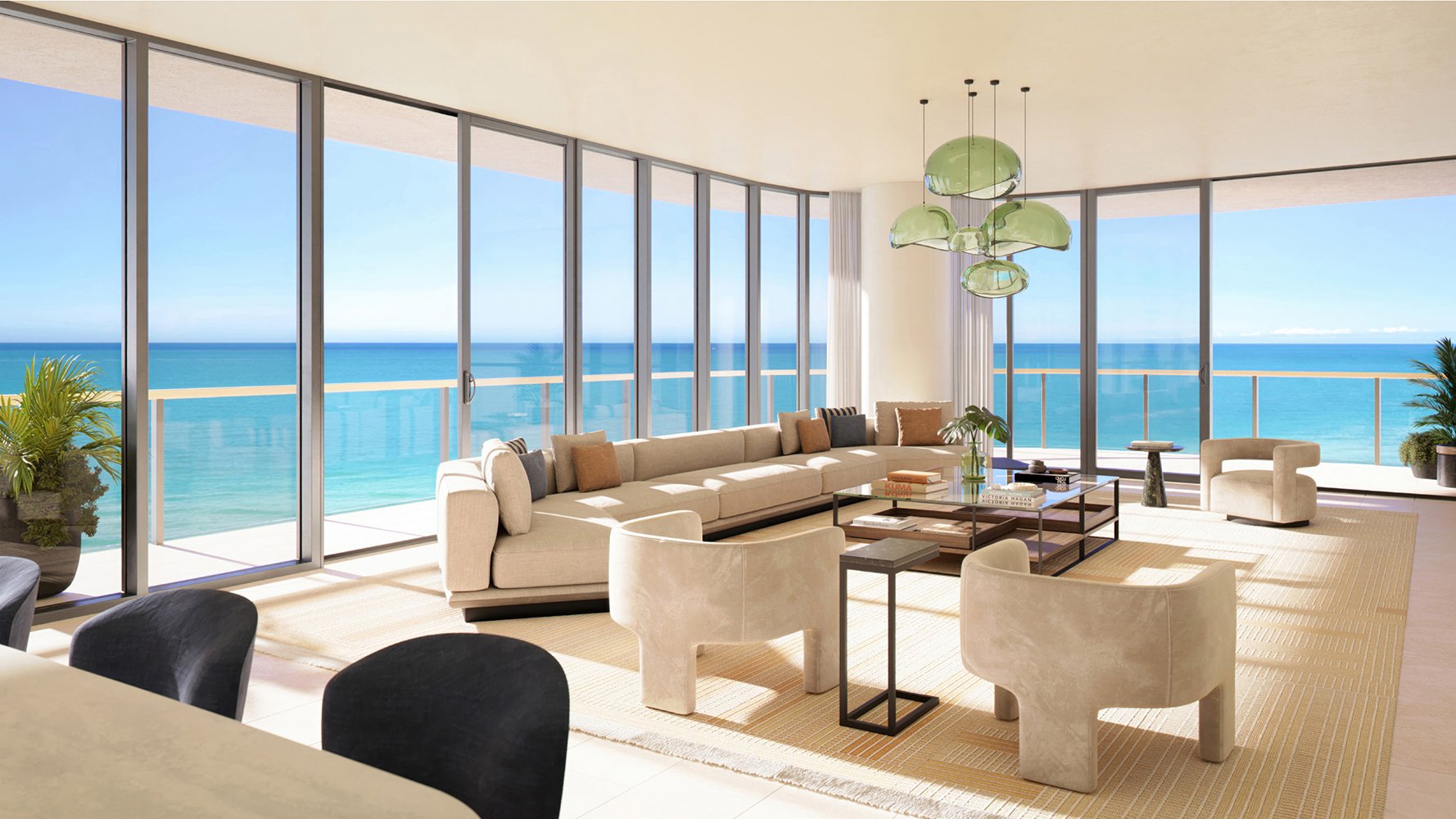
One Thousand Museum Downtown Miami and Waldorf Astoria Residences Downtown Miami belong in the same rarefied conversation, but not because either functions like a traditional beachfront condominium. Their appeal is rooted in Downtown Miami’s vertical luxury market, where Biscayne Bay views, skyline energy, cultural proximity, and business-core access define the ownership experience.
One Thousand Museum is best understood as a signature ultra-luxury residential tower with an established architectural identity. It speaks to buyers who want a completed trophy residence in the city, with the confidence of owning in a recognized Downtown tower rather than waiting on a future delivery. Waldorf Astoria Residences Miami occupies a different lane: branded high-rise living, new-development positioning, and the emotional pull of a globally recognized hospitality name.
That distinction matters. A buyer choosing between them is not simply comparing two Downtown addresses. The decision is more nuanced: whether the priority is an existing architectural statement with scarcity already in place, or a branded new-construction residence positioned for Miami’s next chapter of urban luxury.
Beach-access expectations should be set with precision. These are Downtown Miami towers, not oceanfront buildings where the sand is an elevator ride away. For both One Thousand Museum and Waldorf Astoria Residences Miami, the beach is best understood as a drive or bridge connection to Miami Beach, rather than an immediate walk-out amenity.
That does not weaken the lifestyle for the right buyer. It clarifies it. Owners who value city living may prefer the ability to reach Miami Beach when the mood calls, without making the beach the organizing principle of everyday life. The more important daily backdrop is the water-and-skyline relationship from Downtown, along with proximity to museums, dining, offices, entertainment, and the bayfront public realm.
For a buyer whose primary requirement is sand-front access, these towers should be considered alongside oceanfront residences in Miami Beach, Surfside, or Bal Harbour. That comparison is useful because it exposes the essential trade: resort-residential beachfront living versus city-centered ultra-luxury. The former delivers immediate ocean proximity. The latter delivers an urban base with beach life as an occasional extension.
Daily convenience is where both towers become especially compelling. One Thousand Museum benefits from a Downtown setting close to offices, cultural venues, dining, and waterfront urban amenities. Its strongest lifestyle position is not beach resort leisure, but the ease of moving through the city’s core while living in a building with distinctive architectural presence.
Waldorf Astoria Residences Miami also draws strength from its Downtown address. Its convenience story is tied to access to the city’s business, dining, and entertainment center, enhanced by the cachet of branded residential living. For owners who split time between professional obligations, private dining, events, and travel, this type of address can be more practical than a coastal enclave that requires more deliberate planning around daily movement.
This is why Downtown often appeals to buyers who want intensity without sacrificing privacy. The residence becomes a high-floor sanctuary above the city, while the neighborhood below supplies utility. For many international and bi-coastal owners, that combination is the point: arrive, move efficiently, host discreetly, and leave with minimal friction.
Resale is not a simple ranking between these two towers. The more disciplined approach is to view them as two distinct value narratives.
One Thousand Museum’s resale appeal is tied to scarcity, architectural identity, Downtown Miami views, and its status as a recognized ultra-luxury tower. Its completed nature also gives buyers something concrete to evaluate: the building exists, the residences can be experienced, and the architectural statement is already part of the city’s skyline. For some buyers, that certainty is a luxury in itself.
Waldorf Astoria Residences Miami carries a future resale story built around brand equity, new-development positioning, and Downtown Miami’s continued evolution as a luxury high-rise market. The Waldorf Astoria name gives the project a recognizable hospitality identity, which can matter to buyers who value service culture, brand continuity, and the confidence associated with a global luxury flag.
Neither story should be overstated without verified resale data. What can be said is that each tower offers a different type of defensibility. One Thousand Museum leans on established architectural scarcity. Waldorf Astoria Residences Miami leans on branded anticipation and the appeal of new luxury inventory in the urban core.
One Thousand Museum is most relevant for the buyer who wants a completed Downtown trophy residence with architectural distinction. It is well suited to someone who prizes skyline presence, Biscayne Bay orientation, cultural-district proximity, and the ability to own in a building already recognized within Miami’s ultra-luxury landscape.
Waldorf Astoria Residences Miami is more aligned with the buyer who prioritizes a branded residential experience and the forward-looking appeal of new development. That buyer may be less focused on immediate occupancy and more focused on the long-term identity of a hospitality-led tower in the Downtown Miami luxury corridor.
The lifestyle distinction is equally important. Convenience-focused buyers who orient their days around Downtown or Brickell will likely find both towers more naturally aligned than a pure resort-residential beachfront property. Beach-focused buyers, by contrast, should test whether bridge-connected beach access truly satisfies the emotional requirement of living by the sand.
The better question is not which tower is universally superior. It is which ownership thesis fits the buyer’s life. One Thousand Museum offers the power of a completed architectural trophy. Waldorf Astoria Residences Miami offers the polish of branded urban living and a new-development trajectory.
Is One Thousand Museum a beachfront condominium? No. It is a Downtown Miami ultra-luxury tower, with beach access best understood as a drive or bridge connection.
Is Waldorf Astoria Residences Miami on the beach? No. Its core advantage is branded high-rise living in Downtown Miami, with the beach functioning as a lifestyle add-on.
Which tower is better for daily convenience? Both are strong for buyers who want access to Downtown Miami’s business, dining, entertainment, and waterfront urban amenities.
Which building has the stronger resale appeal? They have different resale narratives. One Thousand Museum emphasizes architectural scarcity, while Waldorf Astoria Residences Miami emphasizes brand and new-development positioning.
Who is the ideal buyer for One Thousand Museum? A buyer who wants a completed, architecturally distinctive Downtown trophy residence rather than a traditional beach condo.
Who is the ideal buyer for Waldorf Astoria Residences Miami? A buyer who values a globally recognized hospitality brand and the appeal of a new luxury tower in Downtown Miami.
Should beach-focused buyers compare these towers with Miami Beach condos? Yes. Buyers who require immediate sand-front access should also consider oceanfront options in Miami Beach, Surfside, or Bal Harbour.
Do these towers fit a Brickell-oriented lifestyle? Yes. Their Downtown positioning generally suits buyers who value an urban-core routine more than a resort-residential beachfront rhythm.
Is One Thousand Museum more about architecture than branding? Yes. Its appeal is closely tied to architectural identity, scarcity, views, and established status in the Downtown skyline.
What is the best way to shortlist comparable options for touring? Start with location fit, delivery status, and daily lifestyle priorities, then compare stacks and elevations to validate views and privacy.
To compare the best-fit options with clarity, connect with MILLION.
If branded residences are on your mind — as a home or as an allocation — we would be glad to share what we are seeing, privately.
Begin a quiet conversation