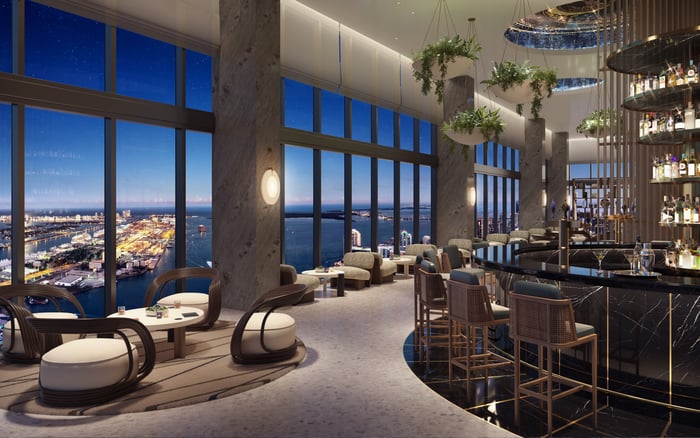
A buyer-focused framework for comparing private dining, catering access, and event restrictions at One Thousand Museum Downtown Miami and Waldorf Astoria Residences Downtown Miami without assuming services or policies that require direct verification.

Private entertaining in a condominium depends on more than the appearance of a dining room or lounge. Buyers comparing One Thousand Museum Downtown Miami and Waldorf Astoria Residences Downtown Miami should focus on documented access, operating procedures, service availability, and event restrictions.
The central question is not which amenity sounds more appealing. It is which property’s current rules and service structure better match the buyer’s expected style of entertaining, whether that means a small dinner, a catered gathering, or an event requiring additional staff and vendor coordination.
A buyer should determine which spaces may be reserved, who receives booking priority, and whether access is exclusive or shared. It is also important to confirm whether a reservation covers only the room or includes furniture setup, tableware, audiovisual support, security, cleaning, or other services.
The governing documents and current reservation policies should clarify whether guests are permitted, whether owners must remain present, and whether recurring or commercial events are restricted. Buyers should avoid assuming that a space described for dining or entertaining can be used for every type of private function.
Catering access requires separate review. Buyers should ask whether outside caterers are permitted, whether approved vendors are required, and whether chefs or service teams must provide insurance documentation. Kitchen access, delivery procedures, loading arrangements, waste removal, and post-event cleaning may also affect how practical a space is for hosting.
If a property offers optional hospitality services, the buyer should obtain a current description of what is available, who provides it, how it is booked, and which charges apply. Any distinction between building services, association services, and third-party services should be documented before the buyer relies on it.
Guest limits, reservation windows, deposits, cancellation terms, permitted hours, music rules, security requirements, and cleaning fees can shape the usefulness of an entertaining space. These terms may differ by room, event type, or vendor arrangement.
Buyers should request the current condominium documents, house rules, reservation forms, vendor requirements, and fee schedules. They should also ask whether management or the association may revise these policies and how residents are notified of changes.
The same diligence framework applies when comparing other Downtown Miami residences. Buyers may also review Aston Martin Residences Downtown Miami and Casa Bella by B&B Italia Downtown Miami, while evaluating each property’s current documents independently.
Project branding, architectural identity, and amenity presentation should not substitute for confirmation of actual event rights. A useful comparison separates the physical space from the rules, services, costs, and operational steps that govern its use.
Start by defining the event the owner expects to host most often. Then ask each property the same questions about reservations, guests, catering, staffing, insurance, deliveries, security, valet coordination, cleaning, fees, and cancellations.
Before contracting, buyers should compare written answers and current governing materials rather than relying on general descriptions. Legal counsel and qualified advisers can help identify restrictions or costs that may affect the intended use.
What is the first private-dining question a buyer should ask? Ask which spaces may be reserved and request the current written reservation policy for each one.
Should an amenity name be treated as proof of event rights? No. Buyers should verify permitted uses, guest access, hours, and booking conditions in current documents.
How can a buyer confirm catering access? Request written rules covering caterers, approved vendors, insurance, deliveries, kitchen use, cleanup, and associated fees.
Why do guest limits matter? A guest cap may determine whether a space suits the buyer’s typical dinners or larger gatherings.
What costs should be reviewed beyond a room reservation? Ask about staffing, security, cleaning, audiovisual support, furniture setup, valet coordination, deposits, and vendor charges.
Can event policies change after purchase? Buyers should review the governing documents to understand how policies may be amended and how residents receive notice.
What should buyers verify about outside vendors? Confirm whether outside vendors are allowed and whether approval, licensing, insurance, or access procedures apply.
Why are cancellation terms important? Cancellation deadlines and deposit rules can materially affect the cost and flexibility of hosting an event.
How should the two properties be compared fairly? Use the same checklist for both and compare current written policies, available services, total costs, and operating requirements.
What should happen before a buyer relies on a hospitality service? The buyer should confirm its present availability, provider, booking process, pricing, and applicable restrictions in writing.
For a discreet conversation and a curated building-by-building shortlist, connect with MILLION.
If branded residences are on your mind — as a home or as an allocation — we would be glad to share what we are seeing, privately.
Begin a quiet conversation