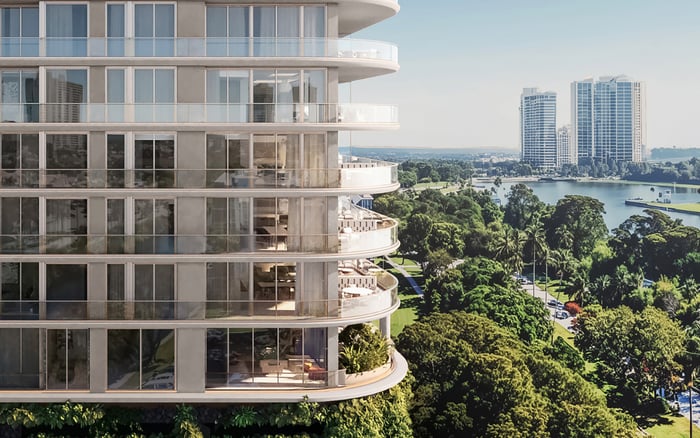
A buyer-focused guide to evaluating fitness-equipment quality at One Park Tower by Turnberry in North Miami, with attention to daily usability, maintenance expectations, and residential value in South Florida.
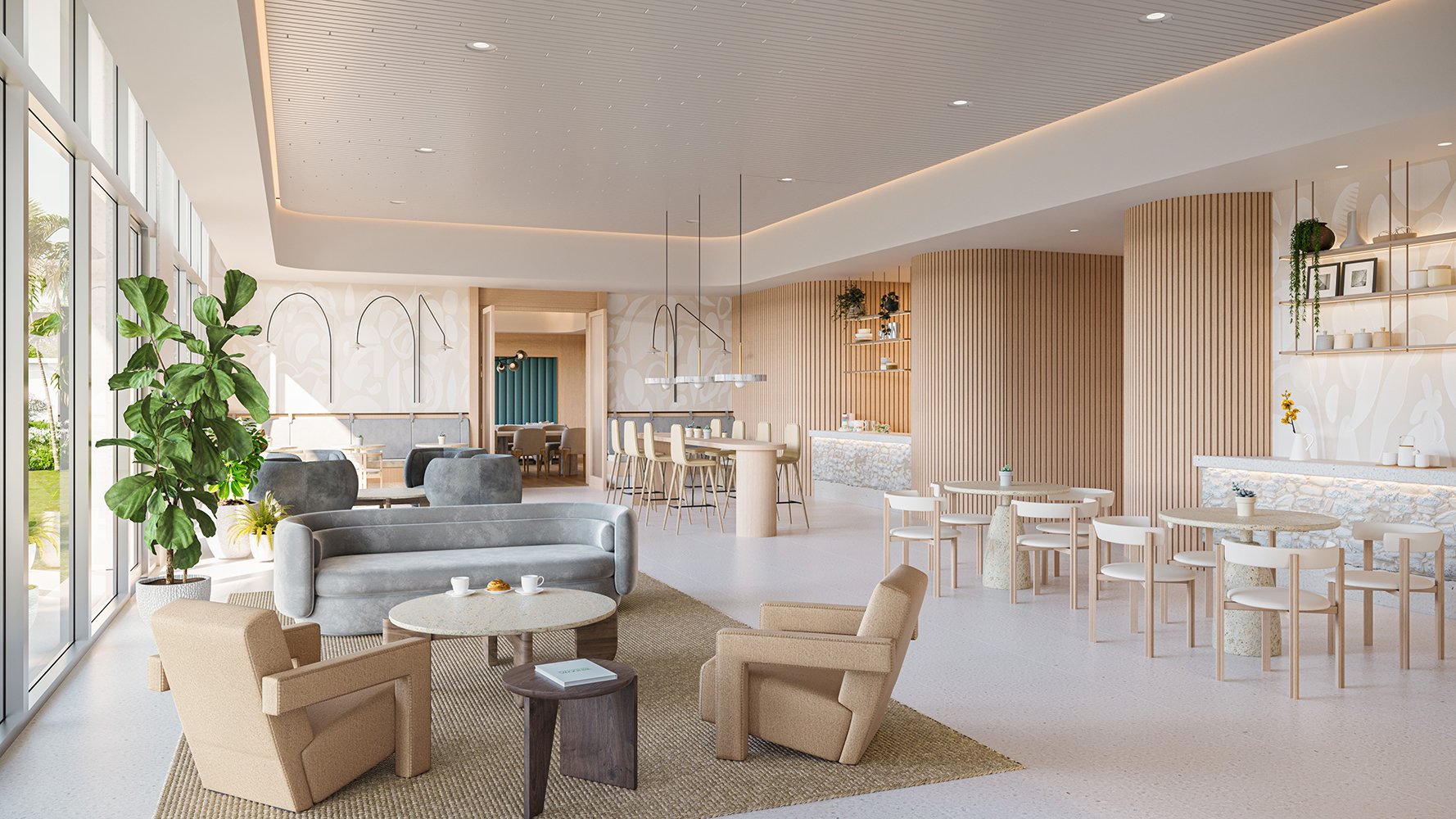
One Park Tower by Turnberry North Miami should be evaluated not only by residence design, views, and finishes, but also by the practical quality of the shared spaces residents may use every week. For households that care about wellness, the fitness center is not a decorative amenity. It is part of the building’s daily infrastructure.
A polished gym can make a strong first impression, but lasting value depends on function. Buyers should look beyond the rendering or walkthrough moment and ask whether the equipment selection, room layout, flooring, ventilation, and maintenance plan can support real residential use. A luxury condominium gym that looks impressive but becomes crowded, poorly maintained, or limited in equipment range can quickly lose its appeal.
This is especially relevant in South Florida, where indoor training can be an important part of a consistent routine. Heat, humidity, rain, and changing daily schedules can all make an on-site fitness facility more useful than it may appear during a brief tour. For some households, it may be a backup to private clubs or studios. For others, it may become the primary place to train.
The most useful question is not whether the gym appears luxurious. The better question is whether it supports how the household actually lives. A resident focused on strength training will evaluate the space differently from someone who prioritizes cardio, stretching, mobility, or low-impact movement. A family with multiple users may also need a broader equipment mix than a single resident with a narrow routine.
Buyers should map their typical week before assigning value to the amenity. How many days would the household use the gym? At what times? Would residents need free weights, cable machines, treadmills, bikes, mats, open floor area, or recovery-oriented space? Would the facility replace an outside membership, supplement it, or simply provide convenience on busy days?
That exercise helps separate visual luxury from functional luxury. Lighting, mirrors, finishes, and views can improve the atmosphere, but they do not answer the most important questions. The equipment has to be durable. The layout has to be intuitive. The room has to feel comfortable during peak periods. The amenity has to serve real routines rather than just the sales presentation.
In a preconstruction or early-occupancy decision, buyers should request practical detail wherever available. The final equipment schedule matters. A useful residential fitness center typically balances cardio, strength, free-weight, functional-training, and stretching needs rather than overloading one category at the expense of others.
Durability should be part of the conversation. Shared condominium equipment needs to withstand repeated use by residents with different training styles and levels of experience. Buyers should ask whether the equipment is intended for frequent shared use, how service issues will be handled, and what the expected approach is for repair or replacement when items wear out.
Ventilation, acoustics, and flooring deserve equal attention. A gym may have strong equipment on paper and still feel uncomfortable if air movement is weak, sound carries poorly, or flooring does not support safety and impact control. Ceiling height, circulation paths, and spacing between machines also affect the user experience.
Capacity is another important issue. A fitness room that works beautifully for two or three people may feel constrained during morning and evening demand. Buyers do not need exact future usage data to ask intelligent questions about how the space is intended to operate and whether the layout anticipates multiple simultaneous users.
In South Florida luxury real estate, the best wellness routines are often flexible. Residents may enjoy outdoor activity when weather and schedules cooperate, then rely on indoor training when conditions are less comfortable. That makes the condominium gym more than a convenience; it can become the reliable component in an otherwise variable routine.
For North Miami households, the value of an on-site gym is partly about control. Residents can train without commuting, without waiting for a class time, and without planning around traffic or weather. This can be especially useful for households balancing work, travel, school schedules, family needs, or seasonal use.
The same logic applies to buyers comparing One Park Tower with other luxury condominium options across Miami-Dade, Broward, and Palm Beach. A tower may offer strong architecture and refined interiors, but if the household expects to train frequently, the fitness environment becomes a daily test of the building’s promise.
Fitness quality should be judged within the full amenity context, but not hidden behind it. A building may offer a pool, terrace, lounge, or other shared spaces, and those areas can support a broader sense of wellness. Still, the gym has its own performance standard. It must work as a training environment, not simply as one part of an attractive amenity list.
Buyers should consider how different spaces might interact in daily life. A pool can support low-impact movement or recovery. A terrace can create opportunities for fresh air and relaxation. A well-planned fitness room can support structured training, mobility, and strength work. Together, those spaces can create a more complete lifestyle if each one is executed with discipline.
The key is to avoid substituting quantity for quality. A long amenity list does not guarantee that the gym will be well equipped, easy to use, or properly maintained. Households should evaluate each space according to the role it will play in their lives.
Fitness-equipment quality also has an association dimension. Stronger equipment, regular servicing, and thoughtful replacement planning can support resident satisfaction over time, but they require operational discipline. Lower-quality equipment may seem adequate at opening and become frustrating if repairs, downtime, or visible wear appear too quickly.
Buyers can ask how management expects to handle service calls, what maintenance standards may apply, and whether future replacement planning is part of the broader operating conversation. The goal is not simply to install attractive equipment once. The goal is to preserve a clean, safe, and functional amenity through years of everyday use.
This matters even for residents who do not train frequently. Shared amenities influence the overall perception of the building. A well-maintained gym can reinforce confidence in management and resident experience, while a neglected one can raise questions about standards elsewhere.
The right conclusion is not that every buyer must prioritize the gym equally. It is that each household should assign fitness-equipment quality a realistic weight based on actual behavior. If residents expect to use the facility several days a week, the gym should be reviewed with the same seriousness as floor plan, storage, parking, and building service.
A disciplined evaluation has three parts. First, confirm what equipment and zones are expected. Second, understand how the facility is intended to be maintained. Third, test the amenity against the household’s real weekly routine. If those answers align, the fitness center can become one of the building’s most meaningful everyday assets.
At One Park Tower by Turnberry North Miami, buyers should treat the fitness center as part of the practical luxury decision. The best amenity is not only the one that photographs well; it is the one that continues to work for residents after the initial impression fades.
Why does fitness-equipment quality matter in a luxury condominium? It affects daily convenience, long-term usability, resident satisfaction, and how well the building’s wellness promise holds up over time.
Is the gym at One Park Tower only a secondary amenity? Not necessarily. For households that train consistently, it can function as core residential infrastructure rather than a minor extra.
What should buyers ask about before relying on the gym? Buyers should ask about the final equipment schedule, maintenance approach, service response, and expected replacement planning.
Why is indoor fitness important in South Florida? Heat, humidity, rain, and changing schedules can make a reliable indoor training option valuable for consistency.
What makes a condominium gym feel truly luxury? Balanced equipment, durable materials, good ventilation, sensible spacing, proper flooring, and reliable upkeep all matter.
Should buyers judge the gym by renderings alone? No. Renderings can show design intent, but they do not prove durability, capacity, maintenance quality, or day-to-day usability.
How should a household evaluate the equipment mix? The mix should match real routines, including cardio, strength, free weights, stretching, and functional movement where appropriate.
Can fitness amenities affect resale perception? Yes. Well-maintained shared amenities can influence how future buyers perceive the overall quality of a building.
How do pool and terrace spaces relate to the gym? They can complement a wellness routine, but they do not replace the need for a functional and well-maintained training space.
What is the best way to evaluate the gym during a tour? Look past finishes and ask whether the space would support your actual weekly routine during both peak and quieter times.
For a discreet conversation and a curated building-by-building shortlist, connect with MILLION.
If branded residences are on your mind — as a home or as an allocation — we would be glad to share what we are seeing, privately.
Begin a quiet conversation