A buyer-focused look at how Armani/Casa’s design identity, service culture, amenities, and condominium governance shape the long-term ownership experience in Sunny Isles Beach.
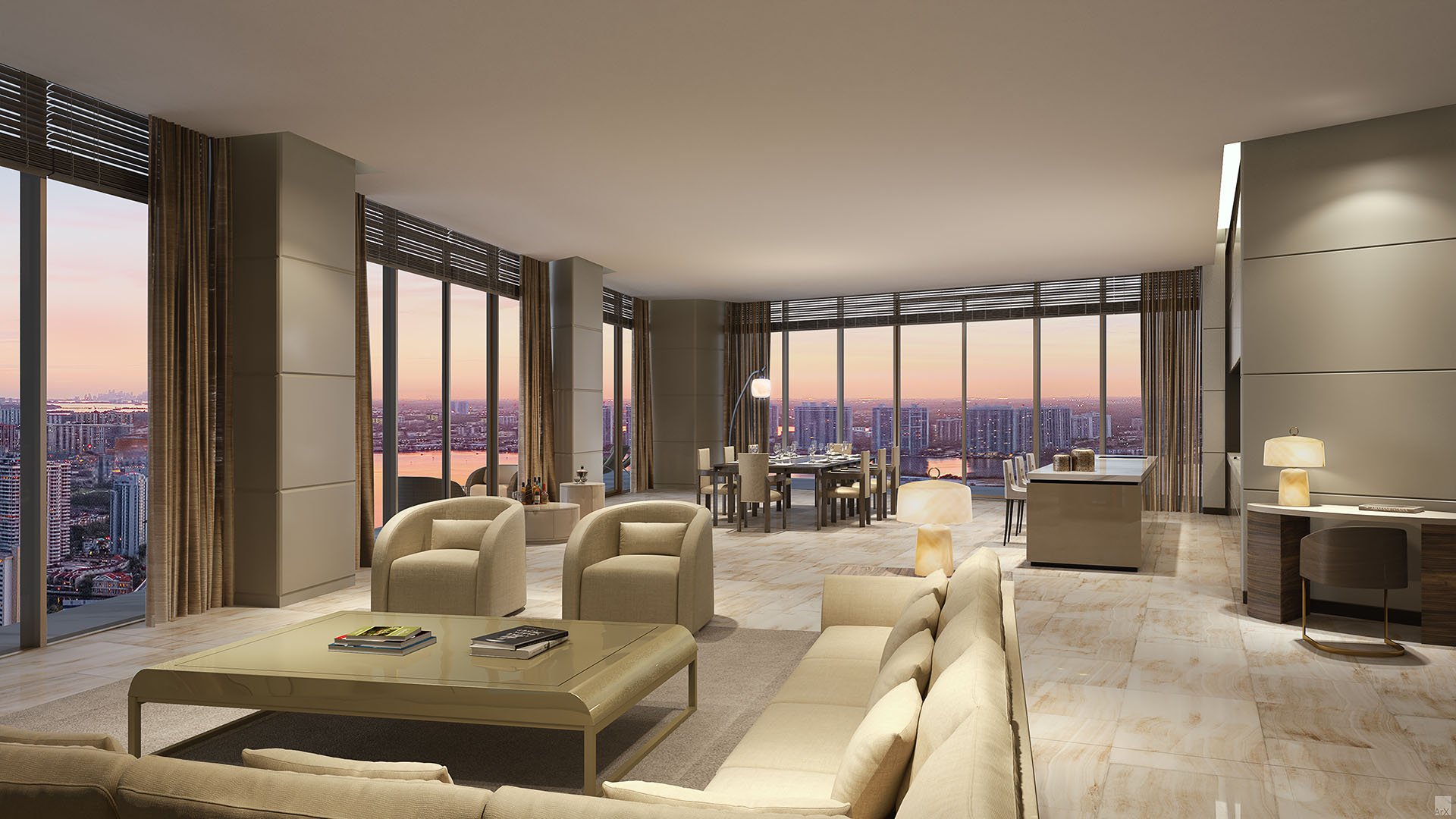
At the highest end of South Florida residential ownership, service is no longer a decorative amenity. It is part of the asset. At Armani Casa Sunny Isles Beach, the Armani/Casa identity frames the condominium not simply as a designed address, but as a long-term ownership experience in which interiors, amenities, arrival, privacy, and daily staff interactions are expected to feel aligned.
That distinction matters. Design branding is visible from the first walk-through. A buyer can enter the lobby, read the palette, understand the material language, and sense the intended atmosphere. Service branding is different. It is proven over time, through repeated interactions at the front desk, in amenity spaces, during guest arrivals, and in the way the building manages the ordinary frictions of condominium life.
For owners, this is where branded residences become more complex than their marketing imagery. The brand promise is aspirational, but ownership is operational. The question is not only whether the building looks like Armani/Casa. It is whether living there continues to feel consistent with the expectations the name creates.
The Armani/Casa name suggests a particular form of luxury: refined, discreet, controlled, and design-led. In a residential environment, that does not necessarily translate into theatrical hospitality. It points instead toward calm execution. A resident should feel recognized without feeling observed. A guest should understand the tone of the building before reaching the elevator. The arrival sequence should be composed, not performative.
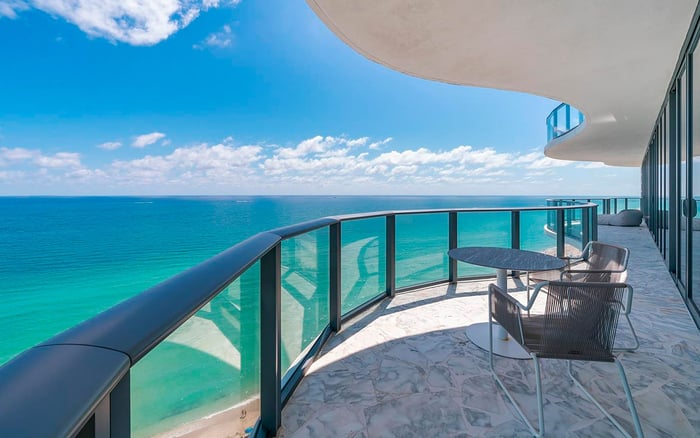
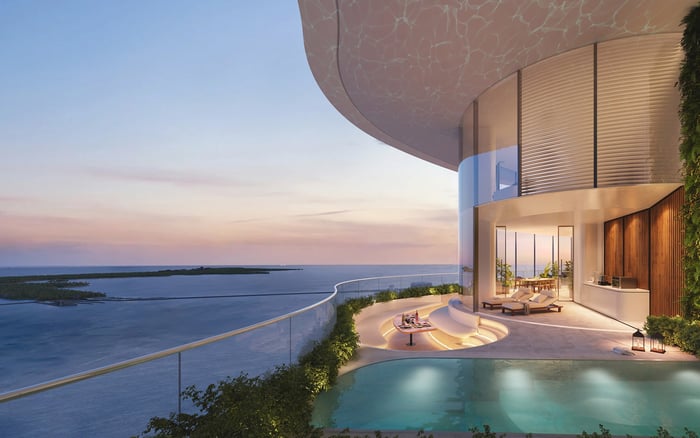
This is especially relevant in Sunny Isles Beach, where many luxury towers compete through views, scale, amenities, and recognizable design narratives. Oceanfront ownership can be visually dramatic, yet the daily experience still depends on how the property is run. A lobby that photographs beautifully can lose authority if the service posture feels inconsistent. Conversely, a restrained building can feel exceptional when staff behavior, privacy standards, and amenity management reinforce the same sensibility every day.
Within the broader Sunny Isles Beach market, projects such as Bentley Residences Sunny Isles and St. Regis® Residences Sunny Isles show how brand identity has become central to buyer psychology. Armani/Casa sits within that conversation through a fashion-house lens, where elegance is measured less by volume than by consistency.
For a buyer touring the property, the most important service touchpoints are often the least complicated ones. Arrival comes first. The way vehicles, guests, deliveries, and residents move through the property establishes the building’s social rhythm. In a branded condominium, the arrival experience should feel intentional, with a tone that reflects the building’s visual identity.
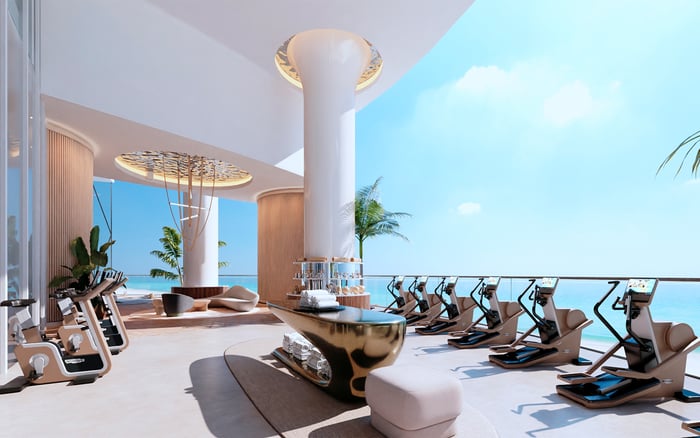
Amenity areas are another test. A pool deck, fitness setting, spa environment, lounge, or shared resident space can carry the Armani/Casa atmosphere only if it is maintained and managed with discipline. Service culture is not limited to greetings. It includes order, cleanliness, discretion, scheduling, and the ability to keep shared spaces feeling residential rather than transient.
The lobby is perhaps the clearest intersection between design, architecture, and operations. It is both a room and a stage for daily conduct. The finishes may establish the mood, but staff behavior completes it. Owners in this category are not only buying square footage and amenities. They are buying the expectation that the property will continue to behave in a way that matches its design language.
A branded residence can borrow the emotional vocabulary of hospitality, but it still lives inside a condominium framework. That creates a structural tension every sophisticated buyer should understand. Service standards must be supported through building management, staffing decisions, operating procedures, and owner funding. The experience may feel hotel-like in tone, but the economics and governance are residential.
This is not a negative. It is simply the nature of ownership. In a hotel, guests encounter the brand for days. In a condominium, owners live with the brand for years. The quality of that relationship depends on continuity. If service standards are underfunded, inconsistently trained, or disconnected from the building’s visual identity, the brand promise can weaken over time.
For buyers comparing Armani/Casa with other high-service residential models, including The Ritz-Carlton Residences® Sunny Isles, due diligence should extend beyond finishes and floor plans. Ask how the building is staffed, how procedures are maintained, how common areas are protected, and how the association supports the level of service implied by the name. The answers shape both lifestyle and long-term value perception.
The most useful buyer question is simple: does every part of the experience speak the same language? At Armani/Casa, that language should feel controlled, elegant, privacy-conscious, and residential. If the interiors suggest restraint but the service culture feels chaotic, the brand is not being fully translated. If amenities are visually impressive but poorly governed, the ownership experience becomes uneven.
Buyers should pay attention to the small things during showings and visits. How is arrival handled? Are public areas calm and orderly? Does staff communication feel polished without being excessive? Do guests understand where to go without creating friction for residents? Does the property feel like a private residential environment rather than a hospitality venue trying too hard to impress?
The same logic applies across South Florida’s branded market. In Brickell, 888 Brickell by Dolce & Gabbana represents another fashion-linked residential proposition, but the ultimate test remains similar: whether the brand identity becomes a durable operating culture. In luxury condominium ownership, a logo may open the conversation, but consistency sustains it.
The long-term value of service culture is cumulative. A single polished interaction is pleasant. Hundreds of polished interactions create confidence. Over time, that confidence affects how owners describe the building, how guests remember it, and how prospective buyers perceive the difference between a standard luxury condominium and a branded residential environment.
For Armani Casa Sunny Isles Beach, the opportunity is clear. The building’s brand value is not limited to architecture, interiors, or amenities. It rests on whether daily life continues to feel aligned with Armani/Casa’s refined identity. The strongest ownership experience is one in which the brand is not loudly announced, but quietly confirmed.
What makes service culture important at Armani Casa Sunny Isles Beach? Service culture is central because the Armani/Casa identity is meant to shape daily ownership, not just the condominium’s visual design.
Is Armani Casa Sunny Isles Beach considered a branded residence? Yes. It is positioned as a branded residential condominium connected to the Armani/Casa lifestyle and design identity.
How is service branding different from design branding? Design branding is visible immediately through interiors and public spaces. Service branding is proven through repeated resident interactions over time.
What should buyers observe during a visit? Buyers should watch the arrival sequence, lobby conduct, amenity management, privacy posture, and overall consistency between staff behavior and design tone.
Does branded service operate like a hotel? It may borrow from hospitality expectations, but it operates within a condominium structure where owners live with governance and funding decisions.
Why does privacy matter in this type of residence? The Armani/Casa residential model implies a calm and discreet service style, where attention should feel polished without becoming intrusive.
Are amenities enough to define the ownership experience? No. Amenities matter, but the ownership experience also depends on management, staffing, procedures, and how shared spaces are maintained.
How should buyers compare Armani/Casa with other branded towers? They should compare not only architecture and finishes, but also whether the building’s daily operations feel aligned with the brand promise.
Why is long-term consistency so important? Residential ownership extends the brand relationship over many years, so repeated service quality matters more than a single impressive presentation.
What is the key takeaway for luxury buyers? The strongest branded condominium ownership experience is one where interiors, amenities, staff culture, and governance reinforce the same standard.
When you're ready to tour or underwrite the options, connect with MILLION.
If branded residences are on your mind — as a home or as an allocation — we would be glad to share what we are seeing, privately.
Begin a quiet conversation