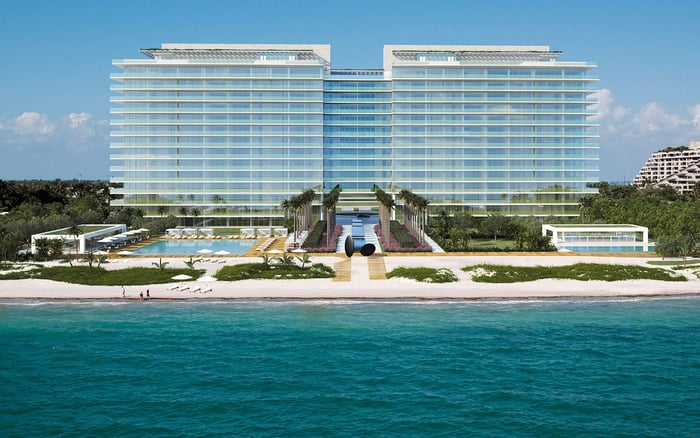
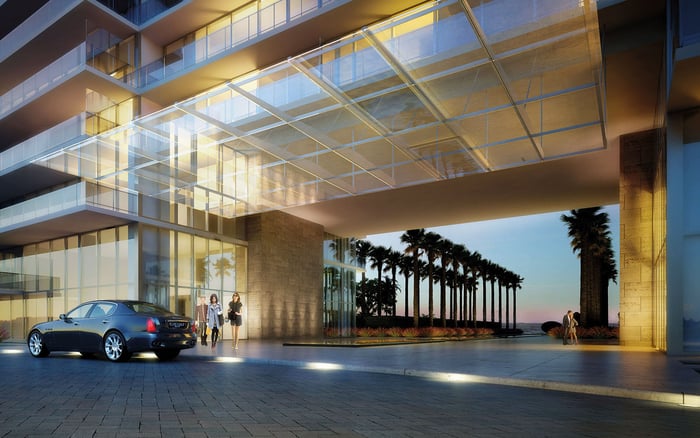
A buyer-focused comparison of Oceana Key Biscayne and Oceana Bal Harbour, framed around lifestyle, discretion, due diligence, and how ultra-premium South Florida buyers can evaluate two coastal names without relying on unsupported assumptions.
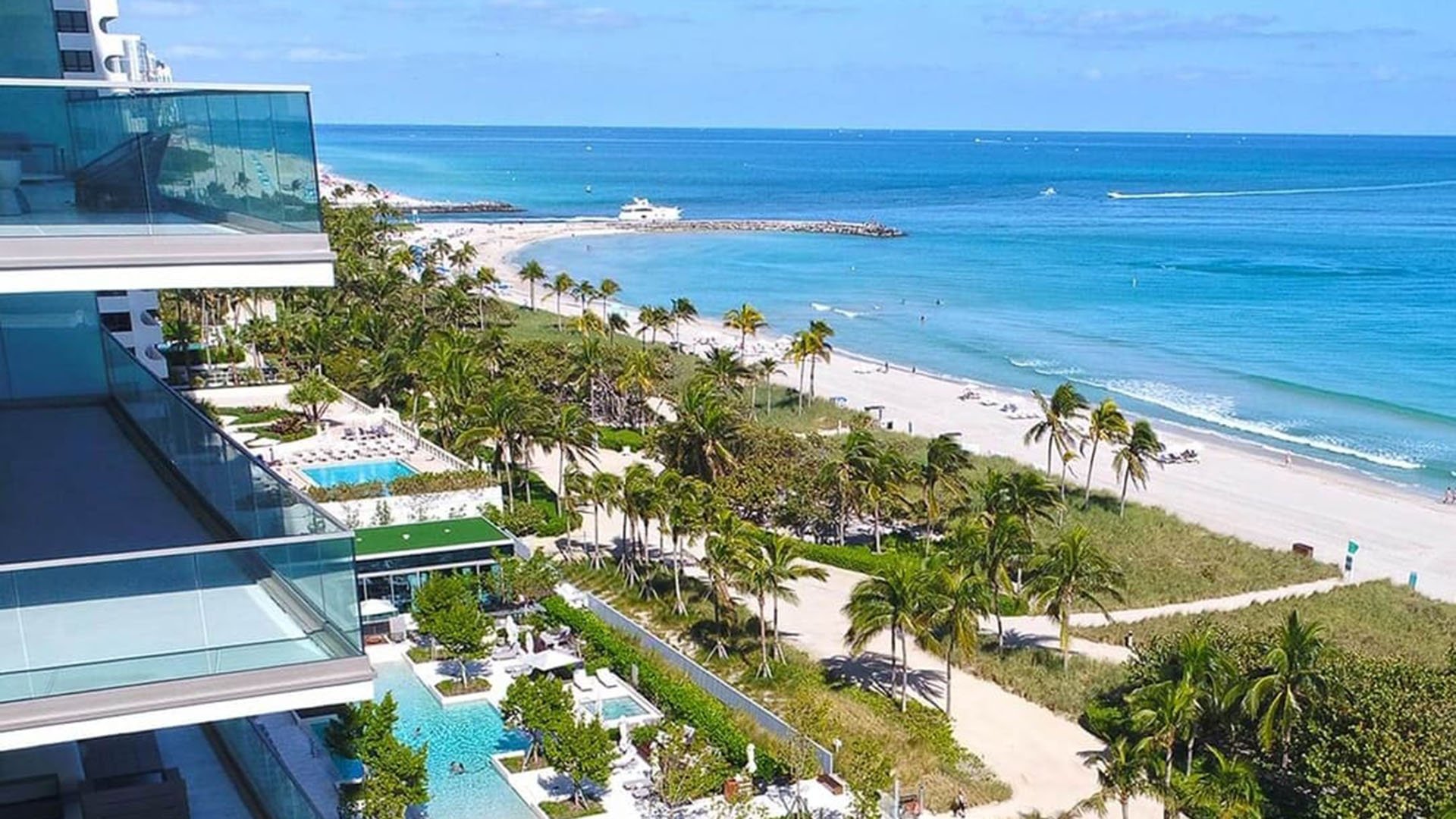
Oceana Key Biscayne vs Oceana Bal Harbour is not simply a question of which name sounds more exclusive. For the serious South Florida buyer, it is a question of rhythm: how a residence should function on a weekday morning, how it should receive guests, how privately it should sit within the owner’s life, and how confidently it should hold its place in a long-term portfolio.
The two properties under discussion are Oceana Key Biscayne and Oceana Bal Harbour. Their names alone place them on two distinct mental maps of Miami luxury. Key Biscayne suggests island separation from the mainland. Bal Harbour suggests a beach address associated with a more formal luxury corridor. Yet a disciplined buyer should treat those impressions as a starting point, not as proof.
This is where the comparison becomes useful. The title’s contrast, island family calm versus Bal Harbour beach prestige, is best understood as a buyer brief. It describes two moods that often matter to ultra-premium purchasers, while leaving the essential work to private review: residence line, exposure, building condition, service culture, view protection, privacy, ownership costs, and exit strategy.
For buyers considering Oceana Key Biscayne, the island lens is often about daily friction. The right question is not whether the setting sounds peaceful. It is whether the location, building experience, and residence configuration support the way the household actually lives.
Some buyers want a residence that feels removed without feeling remote. Others want a primary home that can absorb school schedules, visiting family, staff movement, sports equipment, and quiet weekends without performing like a hotel. In that sense, Key Biscayne should be evaluated through the practical intimacy of island life: how often one crosses the causeway, how easily guests arrive, how the home functions during season, and whether the surrounding pace matches the owner’s expectations.
The phrase Key-biscayne may appear inelegant in a search file, but as a lifestyle filter it matters. It helps separate buyers who want the psychological benefit of an island address from those who want to remain inside the mainland’s faster social and commercial circuits. That distinction can matter more than a marginal difference in finishes.
Bal Harbour operates in a different buyer vocabulary. It is often considered by purchasers who want a coastal address with a more overt luxury identity. That does not mean every residence within the area offers the same degree of privacy, service, views, or ease. It means the area name itself tends to carry a particular expectation.
For Oceana Bal Harbour, the buyer’s work is to test that expectation carefully. Does the residence feel ceremonial or relaxed? Does the building experience support quiet ownership or a more visible coastal life? Does the position align with how the buyer intends to entertain, commute, shop, dine, and host family?
In the same way, Bal-harbour as a search term is more than a location tag. It signals a particular luxury conversation. Buyers looking here may also study nearby or adjacent coastal references such as Rivage Bal Harbour or the Surfside context represented by The Surf Club Four Seasons Surfside. Those comparisons should not blur buildings together. They should sharpen the buyer’s eye for tone, service, privacy, and the type of ownership experience each address is meant to deliver.
The most common mistake in a comparison like this is converting atmosphere into fact. A buyer may hear “island calm” and assume family functionality. Another may hear “Bal Harbour prestige” and assume stronger resale power or higher service standards. Those assumptions may or may not hold when tested against a specific residence.
A proper review should be unit-specific. It should examine sightlines, floor height, exposure, outdoor space, elevator experience, parking, storage, maintenance structure, building rules, rental policies, pet considerations, staff access, guest flow, and any planned work that could affect the ownership experience. None of these should be inferred from a project name.
Oceanfront and Beach-access are powerful words in South Florida luxury, but they require precision. Oceanfront can describe a broad category, while actual view quality can vary dramatically. Beach-access may sound simple, yet the lived experience depends on placement, arrival, privacy, and how the building manages the threshold between home and sand.
This is also why a buyer comparing Eighty Seven Park Surfside with Bal Harbour or Key Biscayne alternatives should avoid generalities. The better question is always: what does this exact residence make easier, more private, more beautiful, or more resilient for the owner?
A family buyer should begin with the calendar. Where are the weekday obligations? How often will the residence host extended relatives? Is the home meant to be a primary residence, seasonal retreat, or long-term hold? Will teenagers need independence? Will younger children need simplified routines? Will staff require discreet, efficient access?
From there, the comparison becomes clearer. A Key Biscayne buyer may prioritize a sense of separation and the softer cadence of an island lifestyle. A Bal Harbour buyer may prioritize a beach address with a more recognizable luxury profile. Neither preference is inherently superior. The right answer depends on how the residence supports the household’s private routine.
The most refined buyers do not overpay for a slogan. They pay for fit. They understand that a residence can be beautiful and still be wrong for the way they live. They also understand that a quieter address is not automatically less valuable, just as a more famous address is not automatically more suitable.
Prestige buyers should separate status from durability. A name may open the conversation, but ownership value is shaped by details that reveal themselves over time. These include the building’s condition, the consistency of its service culture, the quality of comparable residences, and the depth of future buyer demand for that exact product.
In Bal Harbour, the prestige lens may feel more immediate because the area carries strong recognition in the luxury market. In Key Biscayne, prestige may express itself with more discretion, through privacy, scarcity, and lifestyle continuity. The buyer who understands this difference is less likely to confuse visibility with quality.
The most compelling purchase is the one that feels inevitable after scrutiny. It should satisfy the emotional desire for a particular setting while also passing the unemotional tests of ownership, maintenance, liquidity, and long-term relevance.
Oceana Key Biscayne and Oceana Bal Harbour should be compared through lived experience, not shorthand. If the buyer wants island composure, the Key Biscayne conversation deserves serious attention. If the buyer wants a more visible beach prestige address, Bal Harbour deserves equal seriousness. The correct choice is not the more dramatic name. It is the residence that protects the owner’s time, privacy, pleasure, and capital with the least compromise.
For South Florida’s ultra-premium buyer, the most elegant decision is rarely the loudest one. It is the one that feels calm after every detail has been tested.
What is the core difference between Oceana Key Biscayne and Oceana Bal Harbour? The practical difference is best framed around lifestyle expectations: island separation versus a Bal Harbour beach identity. Specific residence details should be reviewed individually.
Is Oceana Key Biscayne automatically better for families? Not automatically. Family suitability depends on the exact residence, building rules, access patterns, storage, staff flow, and daily household routines.
Is Oceana Bal Harbour automatically more prestigious? Bal Harbour carries a strong luxury identity, but prestige should be tested against the specific residence, service environment, privacy, and long-term ownership profile.
Should buyers compare these two only by price? No. Price is important, but exposure, condition, view quality, building culture, carrying costs, and resale audience can be equally decisive.
What should a buyer verify before choosing either property? Buyers should verify residence specifications, building rules, financial obligations, current condition, view corridors, renovation history, and comparable sales.
Can these properties work as second homes? They may, depending on ownership goals and building policies. A second-home buyer should focus on ease of arrival, lock-and-leave comfort, and service consistency.
How should an international buyer approach this comparison? International buyers should prioritize simplicity, privacy, trusted local oversight, and clarity around building procedures, expenses, and transaction timing.
Does the better choice depend on lifestyle more than architecture? In many cases, yes. Architecture matters, but the best residence is the one that aligns with the owner’s daily rhythm and long-term plans.
Are nearby luxury projects useful for context? Yes, nearby projects can help calibrate expectations, but they should not replace a property-specific review of the exact residence being considered.
What is the most important final question for a buyer? Ask which residence will feel effortless five years from now, not just impressive on the first private tour.
If you'd like a private walkthrough and a curated shortlist, connect with MILLION.
If branded residences are on your mind — as a home or as an allocation — we would be glad to share what we are seeing, privately.
Begin a quiet conversation