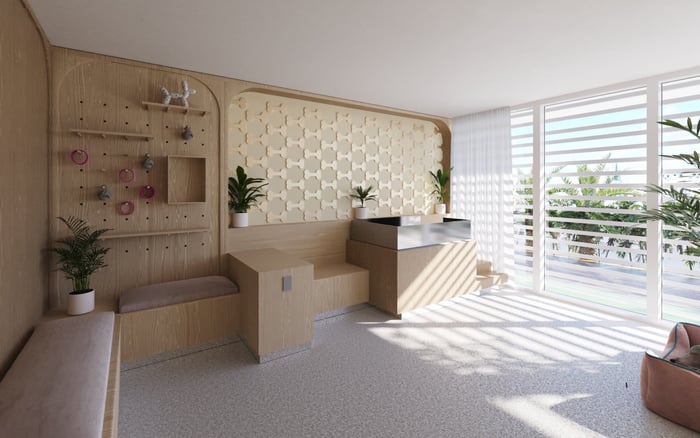
A buyer-focused guide to evaluating pet relief areas in luxury South Florida condo towers, with emphasis on access, discretion, maintenance, policies, and daily livability.
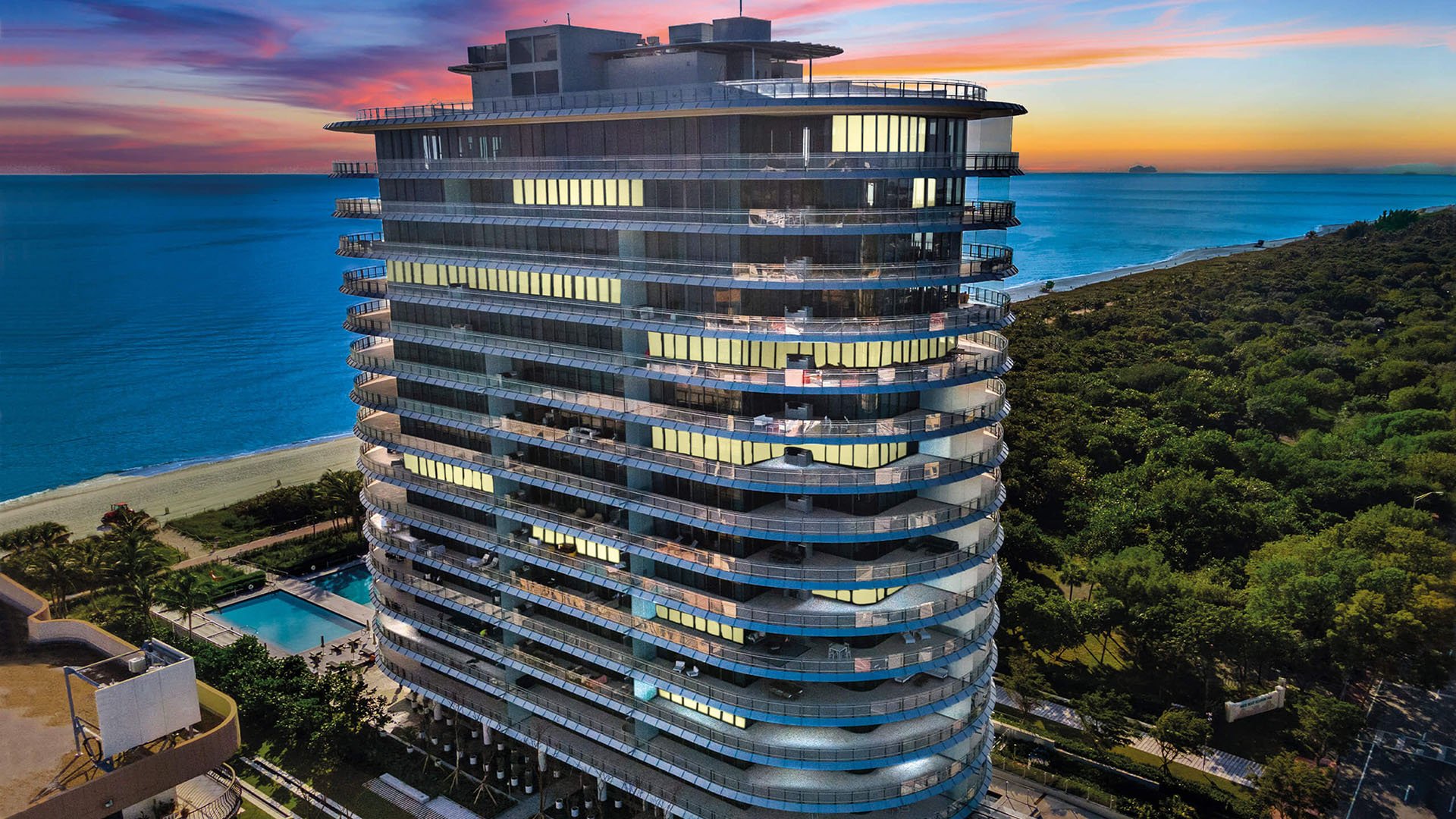
In South Florida’s luxury condominium market, “pet-friendly” can mean very different things. In one tower, it may simply describe a permissive pet policy. In another, it may signal amenities that make daily life more graceful for residents with dogs. That distinction matters, especially for buyers considering a full-time residence, a lock-and-leave second home, or a high-floor apartment where every walk begins with an elevator ride.
A pet relief area should be evaluated the way one evaluates a lobby, spa, pool deck, or private dining room: by design, location, maintenance, and performance at the busiest moments of the day. Pets are not a side note in the ultra-luxury lifestyle. They shape routines, elevator etiquette, floor plan preferences, terrace use, and the privacy sophisticated buyers expect.
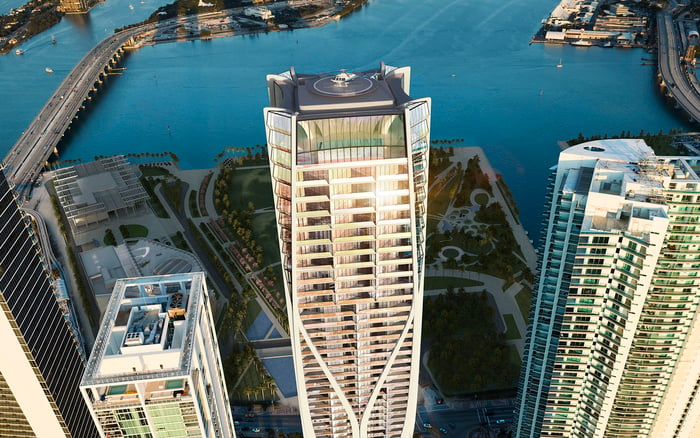
When touring towers in dense urban settings such as Brickell, including residences like 2200 Brickell, buyers should look beyond whether pets are allowed and ask how the building actually handles pet traffic. Even the most polished residential experience can be diminished if every walk requires an awkward route through formal arrival areas or a long wait for crowded elevators.
The essential question is not whether a relief area exists. It is where it sits in relation to residential elevators, service corridors, garage access, the lobby, and outdoor spaces. A convenient relief area should feel accessible without requiring residents to move through the building’s most ceremonial areas several times a day.
In an ideal arrangement, the route is intuitive and discreet. Residents should not need to cross a pool deck in wet weather, pass through a restaurant-style amenity, or navigate heavily staged entry spaces with a leashed dog. If the relief area is outdoors, consider whether it is protected from intense sun and rain. If it is indoors or covered, ask how ventilation and cleaning are handled.
For buyers comparing waterfront or beach-oriented living, a residence such as 57 Ocean Miami Beach may prompt a different set of lifestyle questions than a downtown tower. Beach access, neighborhood walkability, and building circulation all influence whether an on-site relief area feels like a convenience or a necessity. There is no universal answer. It depends on the dog, the owner’s schedule, and the building’s physical plan.
A dog-park label is not enough. Buyers should inspect the surface material, drainage, odor control, lighting, waste stations, hose access, signage, and enclosure quality. A narrow strip of artificial turf may technically qualify as a relief zone, but it may not serve a large dog comfortably or withstand frequent use.
Ask whether the area is intended for quick relief only or for brief social interaction among dogs. Those are different functions. A compact relief station near the garage can be excellent for late-night practicality. A larger landscaped run may be more valuable for owners who want a daily amenity, not merely an emergency convenience.
Sound and adjacency matter as well. If the space borders private terraces, cabanas, children’s play areas, or dining amenities, conflicts can arise. Luxury is often defined by the separation of uses. The more successfully a tower separates pet circulation from quiet leisure zones, the more harmonious the building tends to feel.
The most beautiful pet relief area is only as useful as the rules that govern it. Before committing, review the condominium documents, house rules, and any management guidance on pets. Key questions include weight limits, breed restrictions, number of pets per residence, leash requirements, elevator rules, registration procedures, guest pet policies, and any fines tied to cleanup or noise.
Also ask how rules are enforced. A building that is lenient on paper but inconsistent in practice can create friction among residents. Conversely, a tower with clear expectations, prompt maintenance, and courteous enforcement often feels more genuinely pet-friendly than one with grand marketing language but vague operations.
This is especially important in branded or amenity-rich towers where the resident experience is highly curated. A buyer considering a vertical lifestyle in Sunny Isles, for example, might evaluate Bentley Residences Sunny Isles for design, views, and privacy, while also asking very specific questions about pet movement through the property. The highest level of service should extend to the unglamorous routines of daily life.
In a high-rise, the elevator is part of the pet amenity package. A beautiful relief area can feel less useful if the route requires long waits, awkward transfers, or repeated exposure to formal arrival spaces. Buyers with older dogs, puppies, or large breeds should be especially attentive to elevator banks, service elevators, and the distance from residence to relief zone.
Tour at different times if possible. Morning and early evening patterns can reveal how pet owners, staff, deliveries, valet activity, and amenity users overlap. The question is not whether occasional congestion occurs. It is whether the building’s circulation remains composed under normal daily pressure.
Private or semi-private elevator arrangements may reduce friction, but they do not eliminate the need for clear pet routing. In more boutique settings, fewer residences may mean fewer competing pet trips. In larger towers, operational discipline becomes more important.
An on-site relief area is only one part of the decision. The surrounding neighborhood influences daily comfort. Buyers should consider sidewalk quality, nearby green space, traffic patterns, evening lighting, and how pleasant it feels to take a real walk beyond the building.
In garden-oriented enclaves, a project such as Arbor Coconut Grove may invite a broader conversation about shaded streets, lower-scale surroundings, and the rhythm of daily walks. In more vertical districts, the calculus may tilt toward indoor convenience, secure access, and short routes from elevator to relief area.
The best pet-friendly tower is therefore not simply the one with the largest pet amenity. It is the one where building design, neighborhood setting, and management culture align with the owner’s routine.
Ask to see the relief area in person, not only in renderings or amenity descriptions. Notice odor, cleanliness, wear, lighting, and how easy the space is to enter and exit with a leash. Ask who cleans it, how often it is serviced, and whether residents report concerns through management or a building app.
For resale purchases, speak with the association or management office about current rules and pending changes. For new construction or pre-construction, request the most current pet policy and confirm whether planned amenities are subject to change. If a dog is central to your lifestyle, this is not a minor diligence item. It belongs beside parking, storage, elevator access, and terrace usability.
What makes a pet relief area truly luxury? It should be clean, discreet, well-lit, easy to access, and integrated into the building’s circulation without compromising privacy or design.
Is a larger relief area always better? Not necessarily. A smaller, better-maintained space in the right location can outperform a larger area that is inconvenient or poorly serviced.
Should I prioritize indoor or outdoor relief space? Indoor or covered access is convenient in bad weather, while outdoor space may feel more natural. The right choice depends on your routine and dog.
Can pet policies change after I buy? Building rules can evolve through association procedures, so buyers should review documents carefully and ask about any pending revisions.
Do weight limits matter in luxury towers? Yes. Weight limits, breed rules, and the number of permitted pets can affect whether a residence is practical for your household.
How should I evaluate odor control? Visit the area in person and ask about cleaning frequency, drainage, ventilation, waste removal, and resident reporting procedures.
Are service elevators better for pet movement? They can be useful, but only if the route is convenient, clearly permitted, and not in constant conflict with deliveries or staff operations.
Should I ask about guest pets? Yes. If family or friends visit with pets, guest rules can influence how comfortable the residence feels for extended stays.
Is neighborhood walkability as important as the building amenity? Often, yes. A well-designed relief area helps, but pleasant daily walks can define the long-term experience of living with a dog.
What should I verify before signing a contract? Confirm pet rules, relief-area location, maintenance standards, elevator policies, fees, restrictions, and whether any changes are under discussion.
For a confidential assessment and a building-by-building shortlist, connect with MILLION.
If branded residences are on your mind — as a home or as an allocation — we would be glad to share what we are seeing, privately.
Begin a quiet conversation