A buyer-focused look at why acoustic comfort can matter when evaluating Oceana Bal Harbour, especially when pool-equipment sound affects confidence, usability, negotiation, and the feeling of privacy.
For buyers evaluating Oceana Bal Harbour, acoustic comfort can be more than a minor showing detail. In the South Florida luxury condominium market, the decision is often shaped by how a residence feels as much as how it presents visually.
This article does not assert that Oceana Bal Harbour has a current pool-equipment noise issue. It treats pool-equipment sound as a practical buyer due-diligence topic that can apply to any refined residential setting with shared amenities, service areas, and exterior mechanical systems.
A polished residence may still require careful listening. Mechanical sound, vibration, cycling motors, or intermittent equipment tones can influence the way a terrace, living area, or bedroom is experienced. When buyers are seeking calm, privacy, and ease, those sensory details can become part of the value discussion.
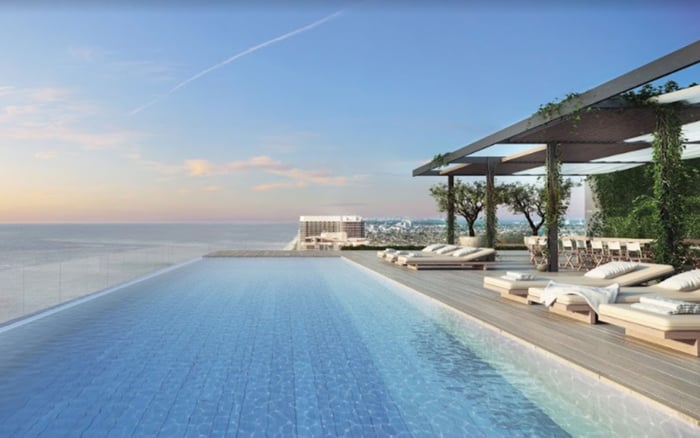
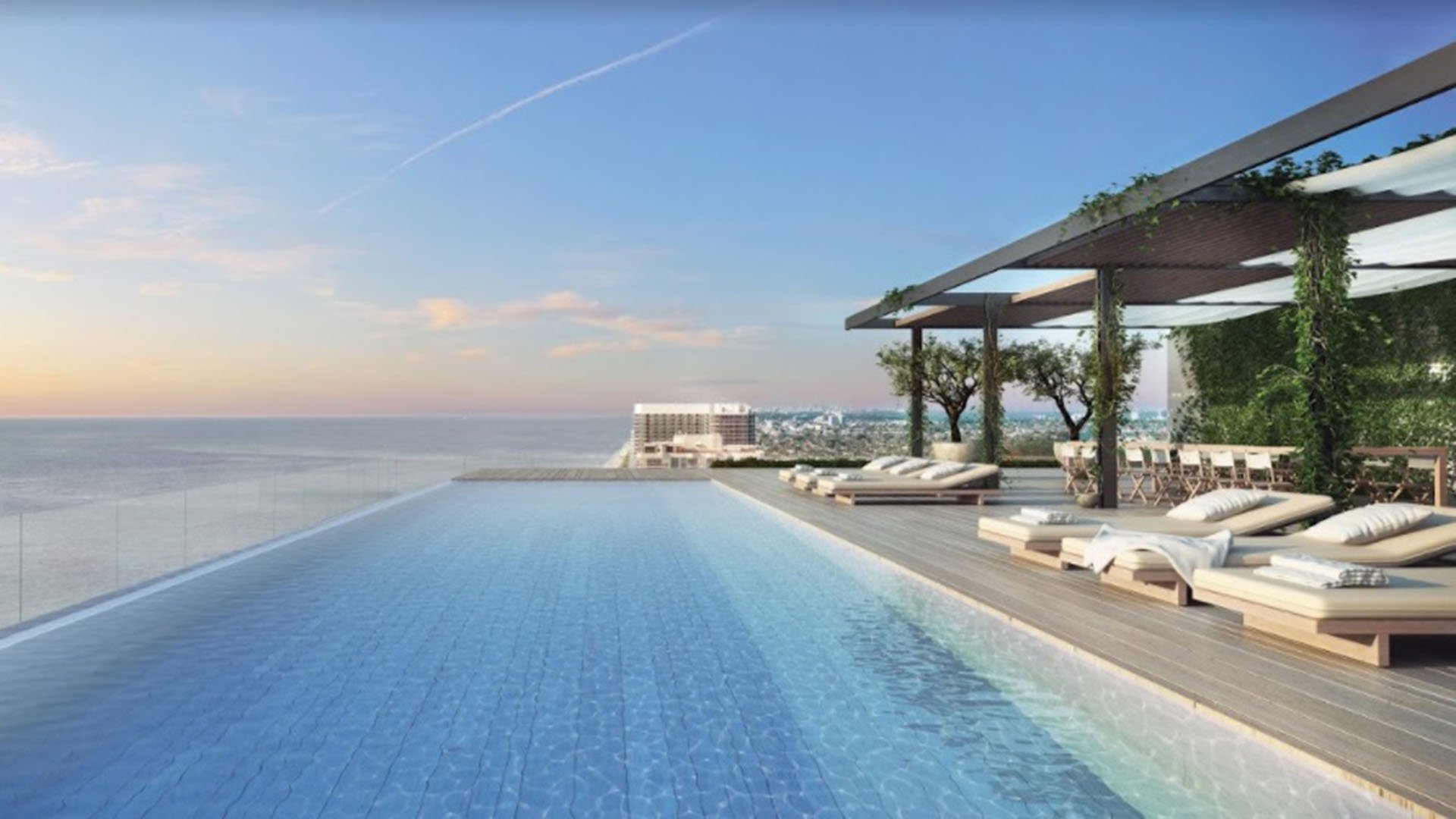
Pool areas are often central to the emotional appeal of a luxury condominium. Buyers may imagine quiet mornings, relaxed afternoons, and a smooth transition from shared amenity spaces to private interiors. If equipment sound competes with that expectation, the decision can change.
The issue is not simply whether sound exists. Most buildings have operational systems. The more important questions are whether the sound is noticeable, whether it repeats, whether it carries into the residence, and whether it changes the buyer’s confidence in day-to-day enjoyment.
At this level of the market, buyers are not only evaluating finishes and views. They are also evaluating composure. A residence that appears elegant but feels acoustically distracting may raise questions that affect timing, negotiation, or willingness to proceed.
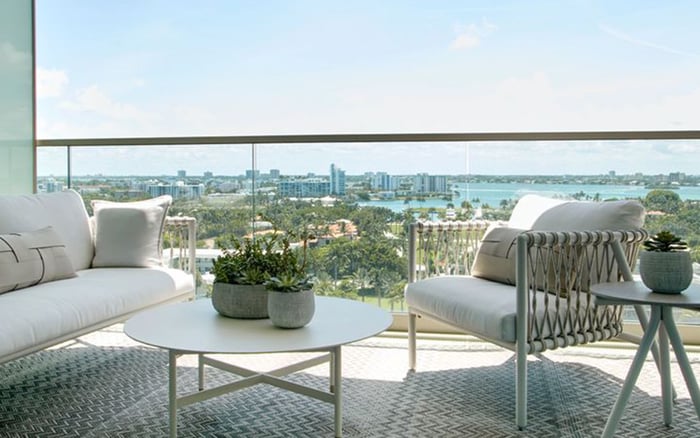
A buyer should listen from more than one location. The terrace may reveal one condition, while the living room, primary bedroom, bath, or entry sequence may reveal another. Doors open and doors closed can also create different impressions.
Timing matters as well. A single showing may not capture how equipment cycles or how sound behaves during different parts of the day. If acoustic comfort is important, buyers should consider returning at another time before making a final decision.
The goal is not to search for problems. The goal is to understand whether the residence supports the buyer’s intended lifestyle. In a high-end purchase, that level of attention can prevent uncertainty later.
If a buyer notices pool-equipment sound, vague discomfort is less useful than specific observation. It helps to note where the sound is heard, when it occurs, how long it lasts, and whether it is audible inside with doors closed.
Buyers should also consider proximity. Residences near shared amenity zones, service corridors, equipment rooms, or exterior systems may require extra attention. Sound can travel across hard surfaces, open areas, and building edges in ways that are not always obvious during a brief visit.
Frequency is another important factor. A short operational sound may be less significant than a persistent tone or repeated vibration. The buyer’s personal tolerance matters too, because two people can react very differently to the same acoustic condition.
Pool-equipment sound may become relevant before contract, during inspection, or in final negotiations. If it changes how a buyer expects to use the residence, it can shape price discipline, contingencies, or the need for further review.
The strongest position comes from clarity. Buyers should separate confirmed observations from assumptions and avoid treating every mechanical sound as a defect. A measured approach helps advisors, inspectors, and counsel assess the issue without overstating it.
For sellers, the lesson is similar. If a residence is close to operational infrastructure, thoughtful presentation and openness to reasonable buyer questions can reduce uncertainty. In luxury transactions, confidence often carries as much weight as persuasion.
In Miami-Dade, Broward, and Palm Beach luxury markets, many buyers are choosing more than a floor plan. They are choosing a private rhythm and an atmosphere that protects time, privacy, and calm.
That is why acoustic comfort deserves a place beside layout, exposure, finishes, amenities, and long-term value. A residence can be visually impressive, yet the buyer’s decision may still turn on whether it feels composed in real use.
The best approach is attentive rather than alarmist. Buyers considering Oceana Bal Harbour should listen carefully, ask practical questions, and evaluate sound as part of the whole residential experience.
Does this article claim Oceana Bal Harbour has a pool-equipment noise problem? No. It discusses pool-equipment sound as a buyer due-diligence consideration, not as an allegation.
Why can pool-equipment sound matter in a luxury condominium? It can affect how calm, private, and usable a residence feels. Those sensory qualities often influence buyer confidence.
Should buyers listen only from the terrace? No. Buyers should listen from living areas, bedrooms, baths, and exterior spaces because sound may carry differently in each location.
Is one showing enough to judge acoustic comfort? Not always. Equipment cycles and ambient conditions can vary, so a second visit may provide a clearer impression.
What should a buyer document if sound is noticeable? The buyer should note where it is heard, when it occurs, how long it lasts, and whether it is audible indoors with doors closed.
Can pool-equipment sound affect negotiation? Yes, if it changes the buyer’s expected enjoyment or perceived value. Specific observations are more useful than general concern.
Does all mechanical sound indicate a defect? No. Buildings have operational systems, so the key issue is whether the sound materially affects the residence’s use or comfort.
Why does personal tolerance matter? Buyers respond differently to sound. A tone one buyer accepts may feel incompatible with another buyer’s expectations for quiet.
How should sellers handle questions about acoustic comfort? Sellers should avoid dismissing reasonable concerns and should help create a clear, calm showing environment when possible.
What is the best way to shortlist comparable options for touring? Start with location fit, delivery status, and daily lifestyle priorities, then compare stacks and elevations to validate views and privacy.
When you're ready to tour or underwrite the options, connect with MILLION.
If branded residences are on your mind — as a home or as an allocation — we would be glad to share what we are seeing, privately.
Begin a quiet conversation