Miami’s ocean and bay views offer distinct light, weather, maintenance, and resale profiles. The better purchase is determined less by the water’s name than by orientation, envelope quality, flood exposure, insurance, and the buyer’s preferred lifestyle.
In Miami’s luxury condominium market, the choice between ocean and bay is often framed in emotional terms: sunrise over the Atlantic or sunset above Biscayne Bay. Yet orientation also shapes wind, solar heat, salt exposure, storm behavior, maintenance, and the eventual depth of the resale audience.
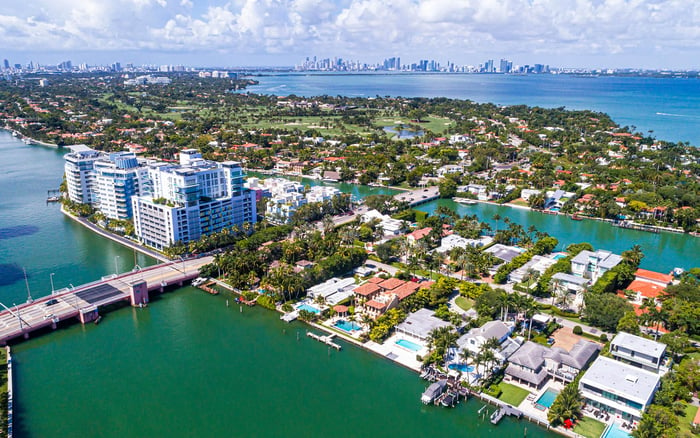
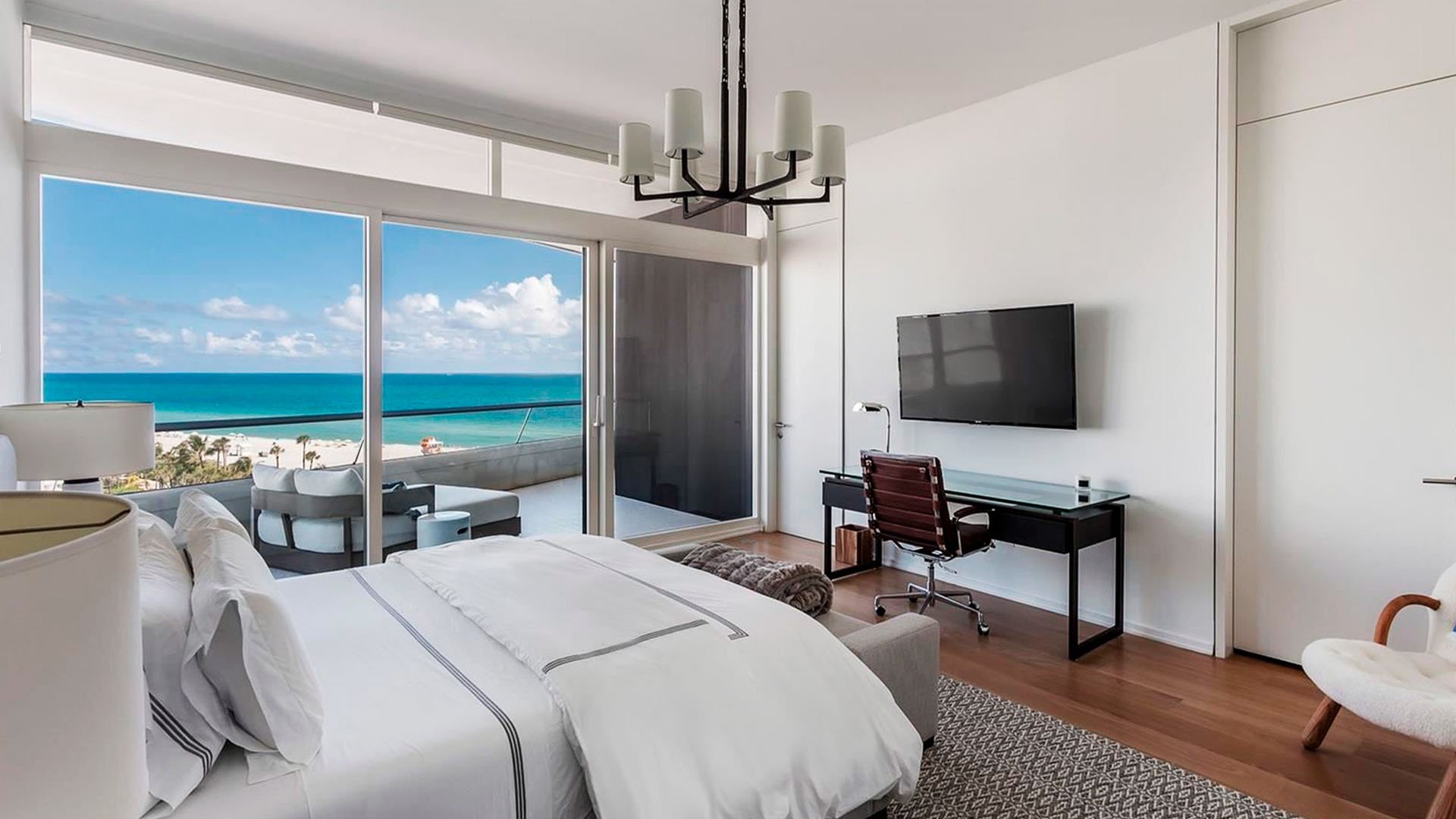
In Miami Beach and Sunny Isles Beach, direct ocean views are generally associated with east-facing residences. They offer morning light, Atlantic horizons, and, in many cases, the visual continuity buyers expect from an oceanfront address. Bay-view residences are generally west-facing, overlooking Biscayne Bay or the Intracoastal, the skyline, and evening color.
That distinction is a starting point, not a verdict. A well-engineered west-facing residence may be more comfortable than an older east-facing unit with compromised seals or dated glazing. Likewise, a bay address should never be considered sheltered by default. The building, elevation, and exact parcel matter as much as the compass point.
The better view is the one supported by the stronger building and the right daily rhythm.
Direct Atlantic frontage generally receives stronger onshore winds and salt spray than bayfront frontage. Over time, that exposure can accelerate wear on railings, windows, doors, and balcony finishes. Buyers considering an ocean residence, including options such as The Perigon Miami Beach, should examine the exterior envelope as carefully as the interior finishes.
Bayfront towers still encounter substantial wind and salinity. More protected water may reduce wave-driven spray relative to the open Atlantic, but it does not eliminate corrosion or wind pressure. The practical question, therefore, is not simply ocean or bay.
Review impact-glass specifications, frame and seal condition, waterproofing history, balcony restoration, inspection findings, reserves, and insurance terms. In a premium tower, disciplined maintenance can be as consequential as the original engineering.
East-facing ocean residences receive sunrise and morning sun while generally avoiding the strongest late-afternoon western exposure. That pattern may reduce peak cooling demand compared with a west-facing unit, although floor plan, glass area, glazing, and shading remain decisive.
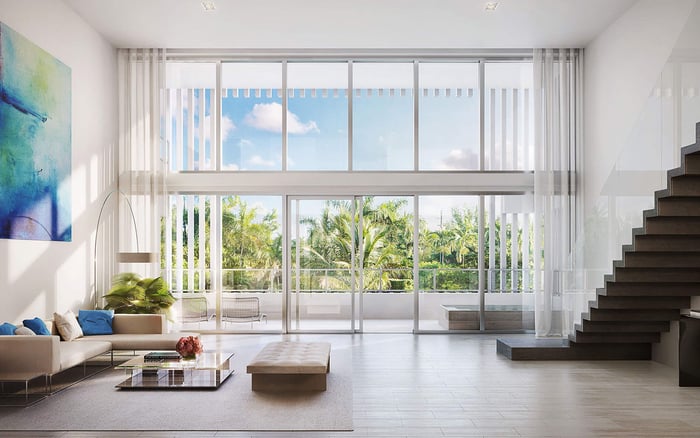
West-facing bay residences receive afternoon sun, often accompanied by sunset glare. The effect can be both beautiful and thermally demanding. High-performance glazing, automated shades, and architectural overhangs become especially important in expansive glass residences. A buyer comparing east and west exposures in a Sunny Isles tower such as Bentley Residences Sunny Isles should visit at the times that matter: morning for the ocean side and late afternoon for the western side.
Glazing specifications and external shading can matter more to comfort than the ocean-versus-bay label itself. Ask for glass-performance details, assess shade coverage, and note whether living rooms, primary suites, and terraces remain usable at the warmest hour. Window treatments should be evaluated as part of the residence’s climate strategy, not merely its decoration.
The open Atlantic typically carries greater wave and salt energy, but Biscayne Bay can also experience severe storm conditions and flooding. Parcel elevation, local topography, building design, and the placement of critical systems can shape the consequences for a particular property.
A bay-oriented residence should not be assumed to be protected simply because it faces calmer water in ordinary weather. Buyers need property-specific flood, insurance, engineering, and building-management information rather than broad conclusions based only on the view direction.
For a bay-oriented purchase in Brickell, including Una Residences Brickell, diligence should encompass both the residence and the building’s lower levels. Confirm elevation, flood designation, garage and equipment placement, backup power, water-management systems, prior intrusion, insurance coverage, and the association’s financial capacity to respond.
Direct ocean views often occupy Miami’s highest-priced condominium-view category, particularly when the residence combines broad sightlines, beach access, a high floor, and strong building quality. The actual premium is property-specific rather than a fixed appraisal adjustment. Floor, obstruction, architecture, condition, transaction timing, and building quality can materially change the result.
A residence at Rivage Bal Harbour, for example, should be assessed on its exact exposure and attributes rather than a neighborhood-wide percentage. The same discipline applies to bay-view residences in Brickell, Coconut Grove, Edgewater, and Key Biscayne.
Bay views can also attract meaningful demand from buyers who value skyline views, evening light, calmer visual water, docks, or boating access. Ocean buyers may place greater emphasis on direct beach access, uninterrupted horizons, and a resort-style setting.
For resale, permanence is critical. A protected view corridor, high floor, and broad sightline may support value more reliably than a narrow glimpse of water. Future obstruction, neighboring development, and the experience from primary rooms should all be investigated.
Choose the Atlantic side if sunrise, beach access, and an unobstructed horizon outweigh the likelihood of heavier salt exposure and more demanding exterior maintenance. Favor the bay if sunset, skyline light, boating culture, and evening entertaining define the desired lifestyle, while accepting the need to manage afternoon heat and glare.
For either waterfront setting, commission property-specific legal, engineering, insurance, and flood diligence. Compare reserve strength, envelope history, and impact protection before comparing marble, millwork, or amenities. Visit during different weather and daylight conditions, then price the view in relation to the whole asset.
Explore Miami’s most considered ocean and bay residences with MILLION.
If branded residences are on your mind — as a home or as an allocation — we would be glad to share what we are seeing, privately.
Begin a quiet conversationIn Miami Beach and Sunny Isles Beach, direct ocean views generally come from east-facing residences with Atlantic sightlines and sunrise exposure.
West-facing bay residences typically receive stronger afternoon sun and sunset glare. Glazing, shades, and overhangs can improve comfort.
Direct Atlantic exposure generally brings stronger onshore wind and salt spray. Actual conditions depend on the building, floor, orientation, and surrounding exposure.
No. Bayfront towers still encounter salt and moisture, even when wave-driven spray is less pronounced than on open Atlantic frontage.
No. Both oceanfront and bayfront properties require parcel-specific review of flooding, building systems, insurance, and emergency planning.
Orientation, glass area, glazing performance, exterior shading, window treatments, and floor-plan layout all influence solar heat gain.
Ocean views often attract strong demand, but value depends on the building, floor, condition, sightline, and permanence of the view.
Yes. Bay views can attract buyers who value sunsets, skyline light, boating access, docks, and calmer visual water.
Priorities include elevation, flood designation, impact glass, envelope condition, waterproofing history, reserves, insurance, and critical-equipment placement.
Ocean views suit buyers prioritizing sunrise, beach access, and Atlantic horizons. Bay views suit those drawn to sunsets, skyline views, and boating culture.