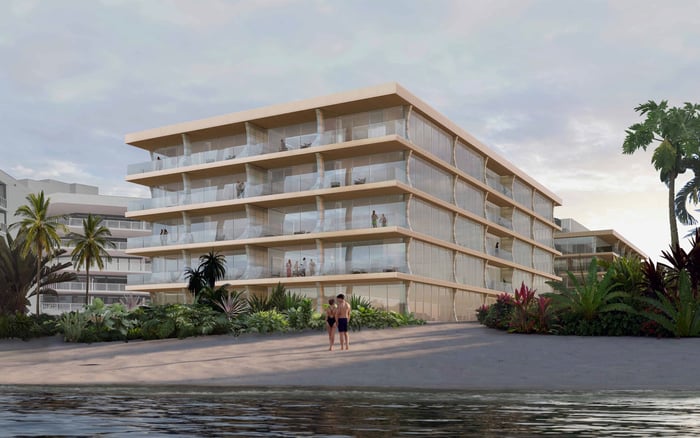
A buyer-focused comparison of Edgeworth and South Flagler House that separates waterfront appeal from documented marina rights and outlines the legal, physical, financial, and navigational questions yacht owners should resolve before closing.
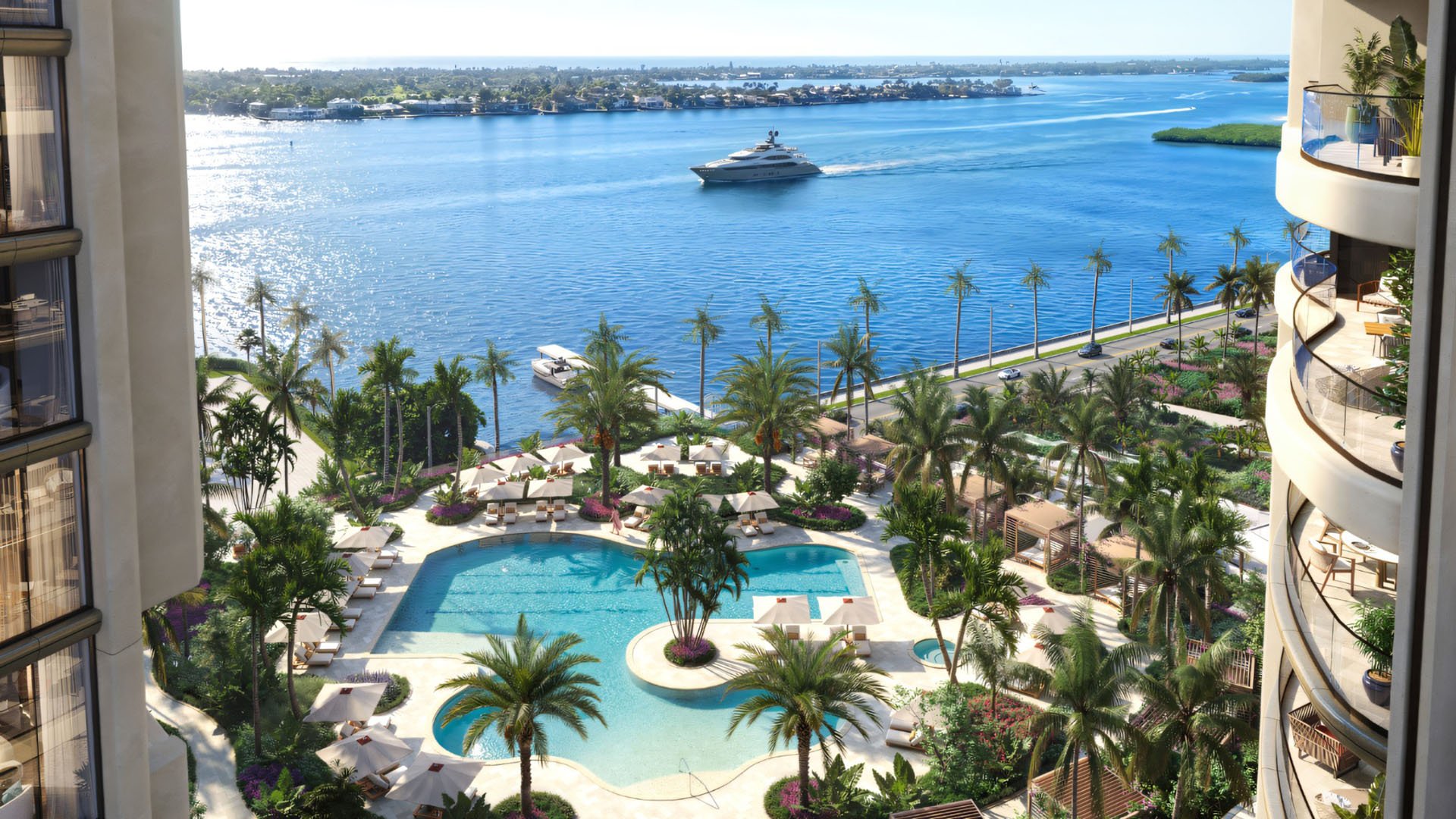
For yacht-owning buyers, a comparison between Edgeworth West Palm Beach and South Flagler House West Palm Beach should begin by separating waterfront positioning from legally documented access to dockage. Views, proximity to the water, and marina-oriented imagery do not by themselves define what rights accompany a residence.
The acquisition review should therefore focus on the interest, if any, that attaches to the unit. A buyer needs written answers explaining how that interest is created, who controls it, whether it fits the intended vessel, and what happens when the residence is sold or transferred.
A waterfront address and a documented slip right are different assets.
The same standard should govern the review of both developments. Buyers should avoid treating a brief feature label, rendering, verbal statement, or nearby marina as proof that a residence includes dockage. The controlling condominium and transaction documents must establish the nature and scope of any claimed right.
A useful comparison begins with classification. A slip or dock privilege could be structured in different ways, and each structure can produce a different ownership experience. Counsel should determine whether the interest is separately conveyed, attached to a particular residence, assigned by an association, shared, licensed, leased, or subject to withdrawal or reassignment.
The review should also identify which document prevails if marketing language differs from the declaration, amendments, rules, plans, or purchase agreement. Any ambiguity should be resolved in writing during the applicable due-diligence period rather than treated as an informal assurance.
A slip can be useful to the current owner yet still create complications at resale. Buyers should confirm whether the right must transfer with the residence, may be transferred separately, can be leased, or returns to an association-controlled pool after a sale. The documents should also address transfers involving a trust, entity, tenant, family member, or successor owner when relevant to the contemplated ownership structure.
Priority rules matter as well. If dockage is assigned rather than conveyed, the buyer should determine how assignments are made, whether a waiting list applies, what happens when the vessel changes, and whether the association can alter eligibility or allocation procedures. A right that depends on continuing approval should not be valued in the same manner as an interest expressly protected by the governing documents.
The closing file should state whether a purchaser receives a specific space, eligibility to request one, or only access subject to availability. These are materially different outcomes even when each is described casually as marina access.
Legal access does not guarantee physical usability. The intended yacht should be evaluated against all relevant dimensional and operational limits, including length, beam, draft, air draft, tender arrangements, utility requirements, and boarding access. Buyers should also examine any restrictions concerning guests, tenants, crew activity, commercial use, liveaboard use, fueling, maintenance, deliveries, or storage.
Insurance requirements and storm procedures belong in the same review. The responsible party for moving or securing a vessel should be identified, along with any deadlines, emergency authority, liability allocation, and consequences for noncompliance. If these provisions are not available for review, the resulting uncertainty should remain visible in the purchase analysis.
For buyers considering other waterfront residences along the West Palm Beach corridor, including Forté on Flagler West Palm Beach and Alba West Palm Beach, the same method helps distinguish residential positioning from enforceable marina access.
If on-site rights are unavailable, uncertain, or unsuitable for the vessel, external dockage may offer an alternative. That possibility should be assessed through current written terms rather than assumptions about nearby capacity. Availability, vessel acceptance, lease duration, renewal rights, cancellation provisions, utilities, insurance, access hours, parking, security, and storm policies can all affect whether an outside marina works for the owner.
The financial comparison should include more than a quoted slip fee. Buyers may need to account for utilities, transportation between the residence and vessel, provisioning logistics, crew access, tender arrangements, insurance requirements, and possible changes in future availability. The convenience of a waterfront home can differ substantially from the convenience of keeping a yacht within immediate reach.
External dockage can also separate the residential decision from the boating decision. Some owners may prefer a particular home while choosing a marina based on vessel fit and route efficiency. Others may consider immediate access essential enough to make documented dock rights a threshold purchase condition.
Bridge clearance should be analyzed as a route-specific operating issue. A yacht’s air draft, water conditions, bridge operating rules, and the location of the selected dockage can determine whether a passage is straightforward or dependent on an opening.
Buyers should ask the captain or other qualified marine professional to review the intended route using current official information. Published clearances and schedules may change, and nominal figures should not substitute for an assessment of the vessel, conditions, and operating requirements at the time of passage.
The practical questions are personal. A route that requires advance timing may be acceptable for planned departures but frustrating for spontaneous use. Storing a vessel closer to preferred cruising water may simplify navigation while increasing the distance between the yacht and residence. The right balance depends on how frequently the owner boats, who manages the vessel, and whether convenience at home or efficiency underway carries greater weight.
A disciplined review can be organized around five categories. First, identify the legal nature of any dock or slip interest. Second, confirm its transfer, leasing, and assignment rules. Third, test the intended vessel against physical and operational limitations. Fourth, model all recurring and contingent costs. Fifth, evaluate the route, including bridge-related constraints and the practical distance between the residence and yacht.
Counsel should reconcile the declaration, amendments, purchase agreement, applicable plans, permits, association rules, assignment records, and any separate marina contract made available for the transaction. The buyer’s marine adviser can then evaluate vessel fit and route practicality, while insurance and financial professionals can address their respective areas.
Neither Edgeworth nor South Flagler House should be selected on waterfront imagery alone when marina access is important to the acquisition. The more defensible choice is the residence whose verified rights, workable alternatives, vessel fit, and operating route align with the owner’s intended use.
For confidential guidance on West Palm Beach waterfront residences and marina-sensitive acquisitions, connect with MILLION.
If branded residences are on your mind — as a home or as an allocation — we would be glad to share what we are seeing, privately.
Begin a quiet conversationNo. Waterfront positioning does not by itself establish a deeded, assigned, licensed, or transferable slip right.
Apply the same document-based review to both projects. Confirm the legal structure, vessel limitations, costs, rules, and transfer provisions in writing.
Relevant materials may include the declaration, amendments, purchase agreement, plans, permits, association rules, assignment records, and any separate marina contract.
A dock privilege may not automatically pass to a buyer when a residence is sold. The controlling documents should explain whether it transfers, terminates, or requires reassignment.
Review length, beam, draft, air draft, tender arrangements, utility requirements, and boarding access against the applicable written limits.
Buyers should review provisions for guests, tenants, crew, maintenance, deliveries, insurance, storms, and any restrictions on vessel use.
It may be an alternative if current availability and vessel acceptance are confirmed. Buyers should also review contract terms, access, utilities, insurance, and transportation logistics.
The vessel’s air draft and intended route can affect whether passage requires a bridge opening. Current rules and conditions should be assessed by a qualified marine professional.
No. Renderings, feature labels, and informal statements should not replace the governing documents and written transaction terms.
Real estate counsel should review property rights, while qualified marine, insurance, and financial professionals can assess vessel fit, route practicality, coverage, and costs.