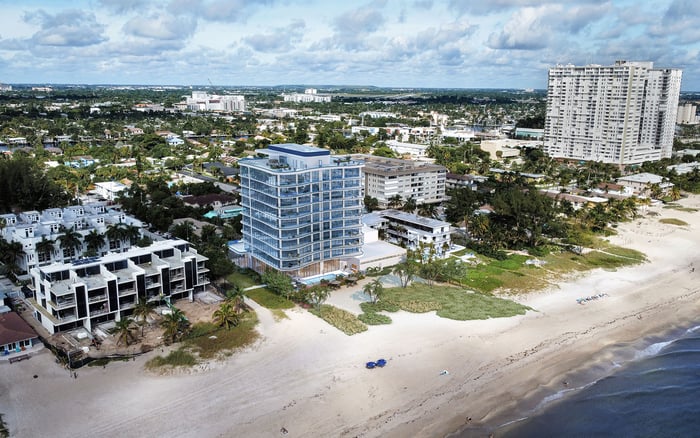
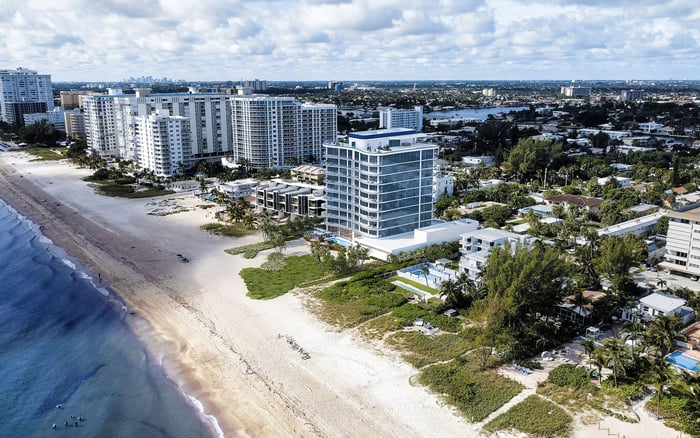
A practical, buyer-oriented look at panic-room feasibility at Ocean 580 Pompano Beach, with emphasis on discreet refuge planning, condominium constraints, coastal resilience, approvals, and long-term ownership value.
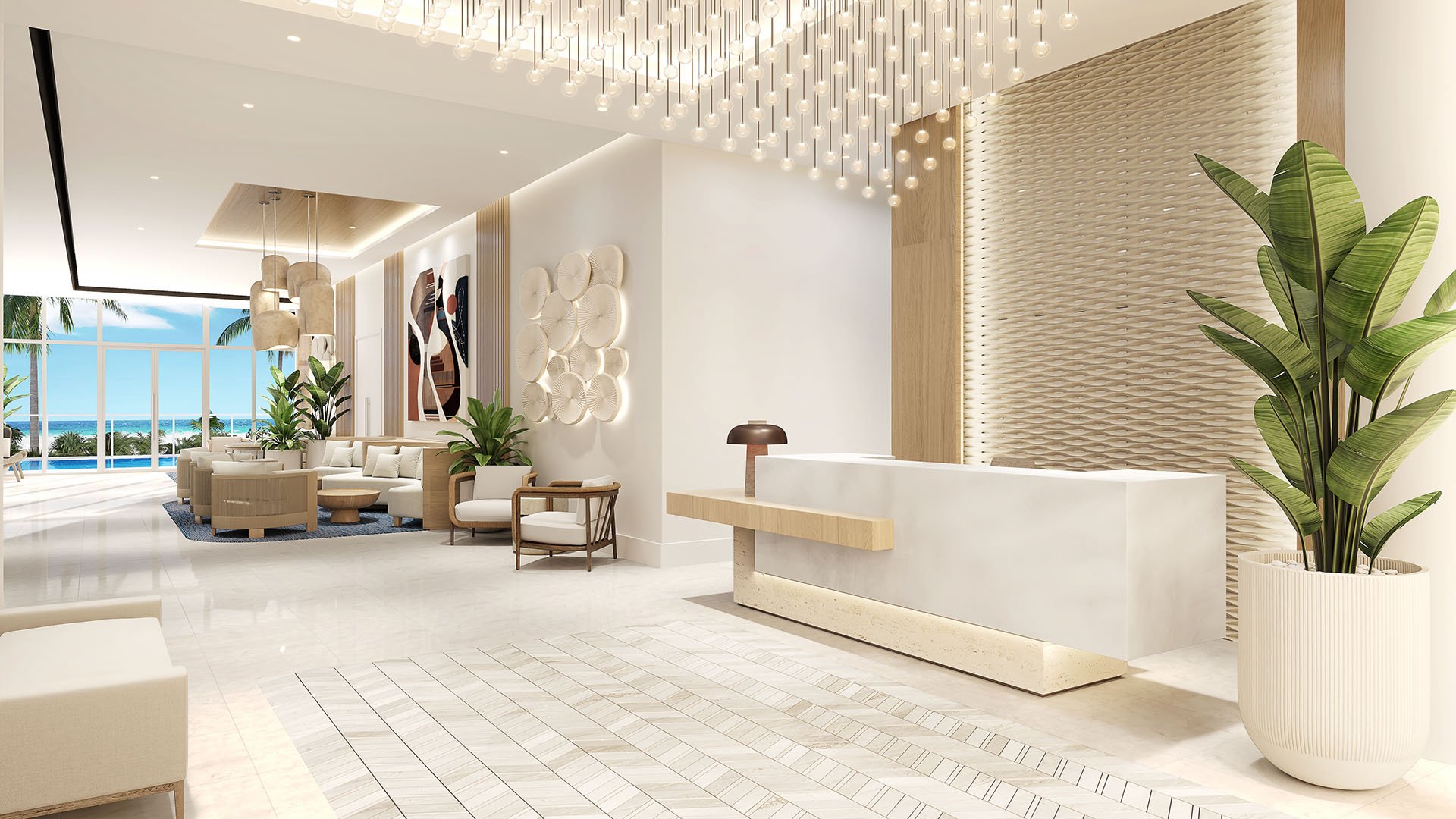
For a full-time owner at Ocean 580 Pompano Beach, the more useful question is not whether a cinematic panic room can be imagined. It is what level of hardening is technically, legally, and practically reasonable inside an oceanfront condominium residence. That distinction matters. In a high-rise setting, the building itself may offer meaningful advantages, but it also places firm limits on what can be altered behind finished walls.
Ocean 580 is a Pompano Beach condominium project relevant to full-time oceanfront ownership and the security planning that comes with daily residence rather than occasional seasonal use. For owners comparing Ocean 580 Pompano Beach within Broward, the conversation should be less about spectacle and more about continuity: personal safety, storm readiness, communications, life-safety compliance, association approvals, and future resale value. In search shorthand, Pompano-beach may sound like a simple coastal label, but the practical reality is more layered for oceanfront condominium living.
Panic-room feasibility at Ocean 580 is best understood as a spectrum. At one end is a modest hardened refuge, often integrated into an interior room or closet area with improved door hardware, reinforced access points, emergency supplies, and redundant communications. At the other end is a more intensive safe-room buildout that may pursue higher levels of forced-entry resistance, ballistic protection, independent ventilation, or more complex security integration.
For most full-time owners, the quieter and more practical answer is likely the former. A discreet hardened refuge can preserve the residence’s elegance while giving occupants a defined place to gather during a security concern, utility interruption, or short-term building disruption. It is not a bunker. It is a controlled, better-prepared space within the existing residential plan.
More aggressive hardening is generally relevant for owners with elevated personal-security profiles. That may include prominent public figures, executives, collectors, or families with known exposure. Even then, the correct scope depends on the building’s physical constraints and the owner’s risk profile, not on a generic luxury checklist.
Oceanfront high-rise construction can create a useful baseline for security planning because the exterior envelope may already be robust. That can be an advantage when compared with lighter low-rise construction. Yet the same high-rise context makes structural alterations more complicated. Condominium residences are not blank canvases. Columns, slabs, shear walls, risers, mechanical systems, fire and life-safety systems, and shared infrastructure all influence what can and cannot be changed.
A practical refuge concept should usually begin with the existing construction rather than working against it. Interior room placement matters. A space set away from exterior glazing may be more sensible than one selected for size alone. A refuge that relies on upgraded doors, carefully selected hardware, discreet communications, and a clear emergency protocol may be easier to approve, easier to maintain, and easier to explain to a future buyer than a highly invasive retrofit.
The most refined security design is often the least theatrical. In a luxury condominium, success is measured by whether the upgrade works when needed, remains unobtrusive when it is not, and does not compromise the residence’s architecture, systems, or marketability.
Any serious panic-room retrofit at Ocean 580 must account for the building’s structural grid, mechanical systems, life-safety systems, and association approval process. This is where many ambitious concepts become more selective. The question is not simply whether a contractor can propose a solution. It is whether that solution respects the building, the neighbors, the association, and applicable permitting requirements.
Interior structural changes in a condominium can be constrained by fixed building components. Even non-structural changes may affect mechanical distribution, sprinkler coverage, alarm systems, access panels, waterproofing, sound transmission, or maintenance access. A full-time owner should expect layered review before undertaking anything beyond cosmetic improvement.
This is also where discretion has value. A hardened refuge that avoids major structural disruption, preserves required systems, and reads as a thoughtful residential improvement may be more compatible with condominium governance than an overtly fortified room. The best plans are not only secure. They are approvable.
A panic room designed only around intruder risk may miss the broader reality of coastal South Florida living. For a full-time owner, the more relevant refuge may also need to support short-duration shelter during hurricanes, tropical storms, elevator outages, utility interruptions, or disrupted egress. That does not mean the space should be treated as a storm shelter unless it is specifically designed and approved for that purpose. It means the planning brief should be broader than forced entry alone.
Redundant communications are especially important. A practical refuge concept should consider how an owner communicates if mobile service is unreliable, power is interrupted, or movement through the building is temporarily limited. Emergency power for small devices, water, basic medical supplies, lighting, and a written family protocol can be as valuable as more visible construction upgrades.
The investment logic is also straightforward. A well-conceived refuge can support peace of mind without overwhelming the residence. An overly specialized retrofit, by contrast, may narrow the future buyer pool or raise questions during resale. In a luxury condominium, security should add confidence, not create anxiety.
For a full-time Ocean 580 owner, the strongest starting point is a professional assessment of the residence’s existing layout. Which room is most protected by location? Which doors can be improved without disrupting life-safety requirements? Where can communications equipment be placed discreetly? How can the plan remain elegant enough to preserve the residence’s everyday character?
The second priority is coordination. Security consultants, qualified contractors, building management, design professionals, and association representatives should not be treated as afterthoughts. In a condominium, fragmented planning can lead to delays, rework, or rejected modifications. The better path is to define the desired level of refuge first, then test that concept against building systems and governance.
The third priority is restraint. A full-time owner does not necessarily need the most aggressive solution. The right solution may be a hardened interior refuge with better access control, stronger communications, and a disciplined emergency plan. It can be secure without looking defensive. It can be private without feeling clinical. That balance is especially important in a residence intended to be lived in every day.
At Ocean 580 Pompano Beach, panic-room feasibility is real only when the term is used carefully. A discreet hardened refuge is likely the most practical concept for many full-time owners. A more intensive safe-room buildout may be possible in select circumstances, but it should be pursued only with a clear understanding of structural constraints, permitting, association approvals, life-safety systems, and long-term market impact.
The most sophisticated answer is not maximal hardening. It is calibrated protection. For a full-time oceanfront owner, the goal is a residence that feels serene, functions beautifully, and includes a private layer of preparedness that can be relied upon when circumstances change.
Is a panic room realistic at Ocean 580 Pompano Beach? It may be realistic if approached as a spectrum, especially as a discreet hardened refuge rather than an invasive bunker-style room.
What is the most practical option for most full-time owners? A hardened interior refuge with upgraded access points and redundant communications is likely more practical than a highly specialized safe room.
Why is a condominium different from a single-family home? Condominium work must account for shared systems, structural components, association approvals, and the effect on neighboring residences.
Can structural changes be made inside a unit? They may be constrained by columns, slabs, shear walls, mechanical systems, permitting requirements, and building governance.
Should a refuge be planned only for intruder risk? No. Full-time coastal ownership also raises issues such as storms, elevator outages, utility interruptions, and disrupted egress.
What features matter most in a practical refuge? Interior placement, upgraded doors, secure hardware, emergency supplies, and redundant communications are often core considerations.
Who needs more aggressive hardening? Owners with elevated personal-security profiles may consider stronger forced-entry or ballistic measures, subject to feasibility and approvals.
Could a panic-room retrofit affect resale? Yes. A discreet, well-integrated refuge may be easier for future buyers to accept than an overly specialized fortified room.
Does association approval matter? Yes. Any serious retrofit should be reviewed through the building’s approval process before construction begins.
What is the best way to shortlist comparable options for touring? Start with location fit, delivery status, and daily lifestyle priorities, then compare stacks and elevations to validate views and privacy.
When you're ready to tour or underwrite the options, connect with MILLION.
If branded residences are on your mind — as a home or as an allocation — we would be glad to share what we are seeing, privately.
Begin a quiet conversation