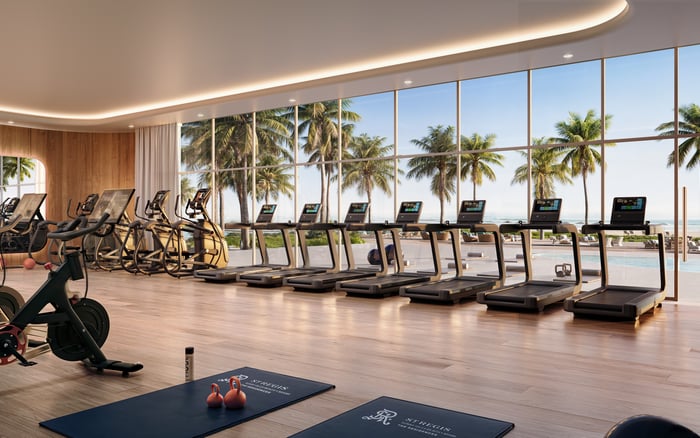
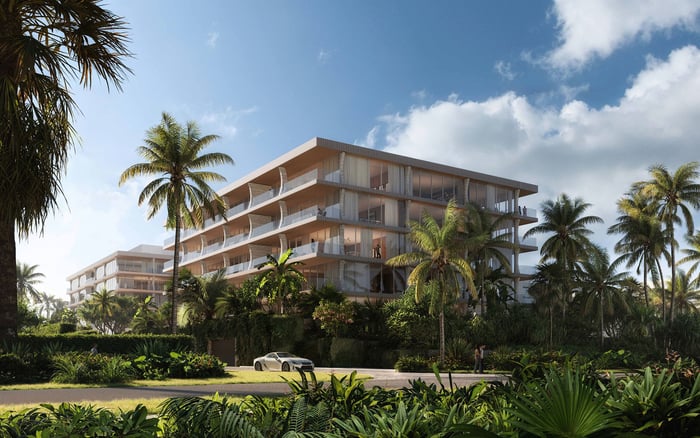
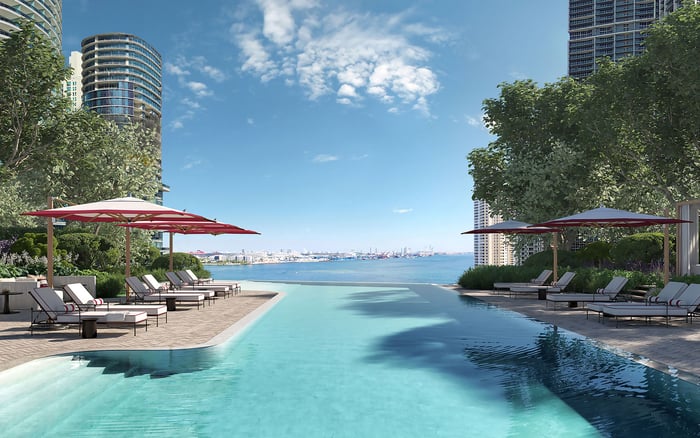
A practical 2026 buyer lens for comparing two luxury Miami-area residences through balcony governance, outdoor kitchen permissions, terrace usability, and South Florida weather exposure.
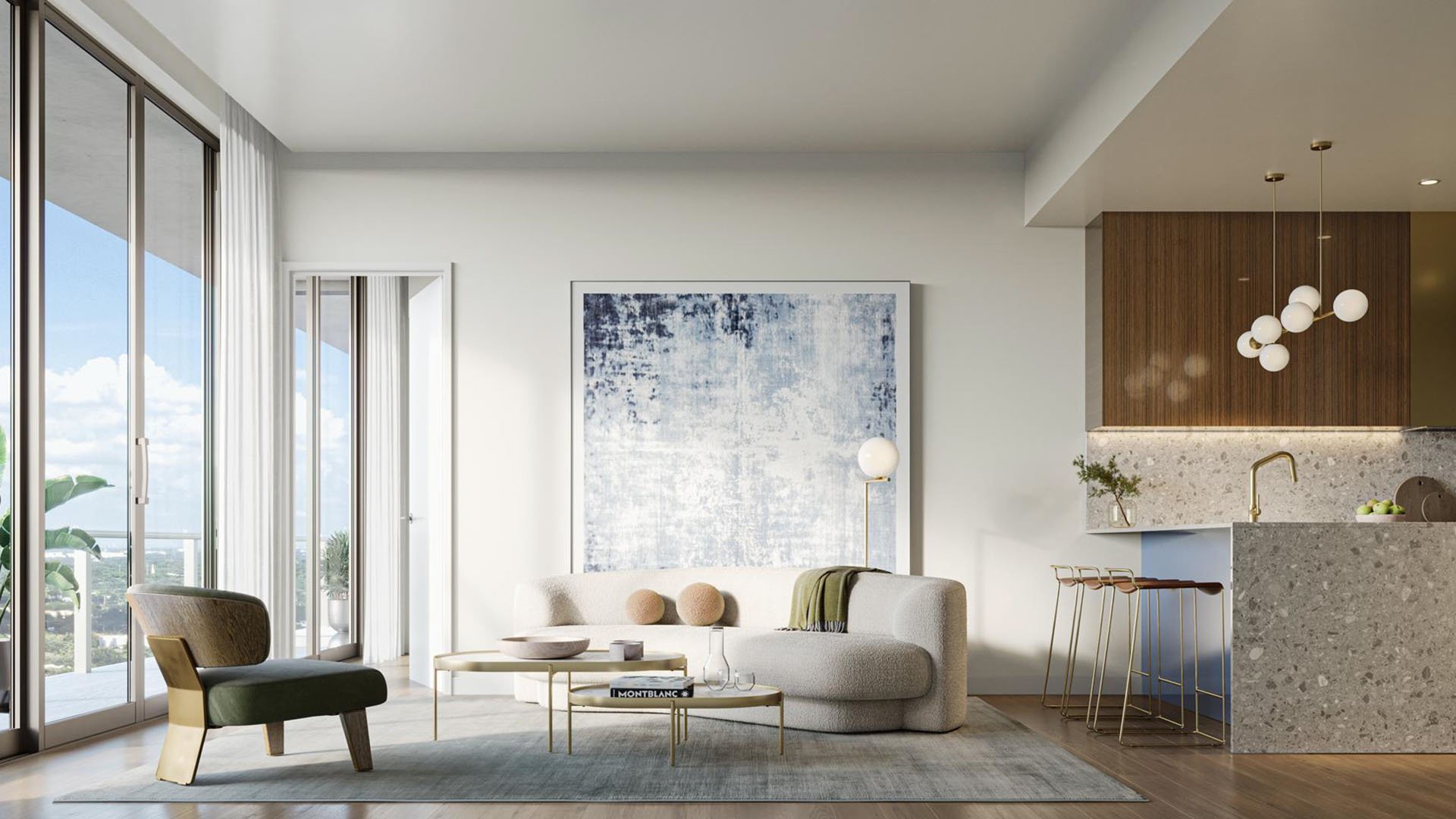
For South Florida’s luxury buyer, the balcony has moved beyond a view platform. It is now a daily living room, dining room, garden edge, and, in some cases, a second kitchen. That shift makes the comparison between Mr. C Tigertail Coconut Grove and St. Regis® Residences Sunny Isles more nuanced than a simple Grove-versus-oceanfront decision. In 2026, the sharper question is operational: what can you actually do outside, how often can you do it comfortably, and how much governance will shape the experience?
That is why balcony rules, terrace design, outdoor kitchen permissions, and weather tolerance belong near the top of the diligence list. A residence may photograph beautifully at golden hour, yet the ownership experience often turns on details that feel less glamorous during a first showing: grill policies, furniture restrictions, drainage, hurricane preparation, wind exposure, storage, surface maintenance, and the rhythm of association approvals.
The buyer choosing between these two names is not merely choosing a building. The buyer is choosing an outdoor lifestyle profile. Mr. C Tigertail Coconut Grove suggests a Grove-oriented rhythm, while St. Regis® Residences Sunny Isles places the conversation in a Sunny Isles coastal frame. In a practical buyer file, the tags Coconut-grove and Sunny Isles should not read as geography alone. They should signal different expectations for privacy, exposure, entertaining, and tolerance for the elements.
The most sophisticated buyers now read balcony rules with the same attention once reserved for floor plans and finishes. Rules can govern cooking equipment, planters, furniture, shade devices, lighting, speakers, storage, pets, holiday decor, and even the visibility of personal items from neighboring residences or public areas. These policies protect architecture and safety, but they also define the daily personality of ownership.
At Mr. C Tigertail Coconut Grove, the question is whether the balcony supports a quieter, more residential outdoor ritual: morning coffee, shaded reading, small dinners, and a sense of retreat. At St. Regis® Residences Sunny Isles, the buyer should test whether the balcony supports a more open coastal experience: ocean air, bright exposure, and entertaining against a broader horizon. Neither frame is inherently superior. The stronger choice is the one whose rules align with how the buyer intends to live.
Before a contract becomes emotional, balcony policies should be reviewed line by line. A buyer who imagines a fully furnished outdoor room should confirm what furniture types, materials, covers, umbrellas, and accessories are allowed. A buyer who entertains frequently should understand guest conduct expectations and quiet-hour rules. A buyer who travels seasonally should ask how terrace items must be secured during storms or extended absences.
An outdoor kitchen can transform a terrace into a true living space, but it is also one of the most regulated exterior features in condominium ownership. Buyers should not assume that a terrace shown with dining furniture can accommodate cooking equipment, built-in appliances, or gas infrastructure. Permissions often depend on building rules, life-safety requirements, ventilation, utility design, and association approvals.
For a 2026 buyer, the correct test is direct. Can the terrace host only dining, or can it host cooking? If cooking is permitted, is it limited to specific equipment? Are built-ins treated differently from movable appliances? Is storage allowed? Who maintains any exterior utility connections? What happens when equipment must be removed for maintenance or storm preparation?
This is especially important for buyers comparing Mr. C Tigertail Coconut Grove with St. Regis® Residences Sunny Isles because the outdoor-kitchen fantasy may differ by setting. In the Grove, the appeal may be intimate entertaining with a shaded, neighborhood feel. In Sunny Isles, the appeal may be lunch after the beach, sunset dining, or a more expansive coastal hosting style. The legal and practical permissions, not the fantasy, determine which version is possible.
South Florida terraces live in a beautiful but demanding climate. Salt air, strong sun, humidity, wind-driven rain, and seasonal storms all influence how often an outdoor space feels effortless. Weather tolerance is not a technical afterthought. It is a measure of livability and, over time, a form of value preservation.
A buyer should stand on the terrace and ask practical questions. Where does the rain go? How much of the space is protected? Does wind make dining comfortable or theatrical? Will cushions, metal finishes, stone, wood, and planters require constant attention? Is the terrace deep enough to remain useful as sun angles change? Is there a place to store movable pieces when the weather turns?
St. Regis® Residences Sunny Isles will naturally invite questions about coastal exposure and the privileges and responsibilities of life near the water. Mr. C Tigertail Coconut Grove will invite questions about shade, neighborhood context, and how the building mediates between indoor polish and outdoor calm. In both cases, buyers should resist a purely visual evaluation. The better terrace is the one that performs across a full calendar, not only during a perfect showing window.
Luxury outdoor living is also a social contract. A balcony that looks private may carry sound. A dining table that feels discreet at noon may be highly visible at night. A planter wall may soften an edge, but it may also trigger rules about weight, irrigation, drainage, or appearance. The more a buyer intends to use the terrace as a primary room, the more important these invisible issues become.
This is where the Grove-versus-Sunny Isles comparison becomes deeply personal. Some buyers want the cocooning effect of a neighborhood setting, where the terrace feels connected to local life without performing for a skyline. Others prefer the drama and openness associated with a coastal address, where the terrace is part of a broader resort-like rhythm. Balcony governance is not the enemy of either choice. It is the framework that keeps the experience elegant for everyone.
For buyers with pets, children, staff, frequent guests, or seasonal visiting family, these details should be discussed before closing. The most graceful residences are often the ones with the clearest expectations.
A disciplined comparison should begin with intended use. If the terrace will be used daily for quiet routines, prioritize shade, comfort, maintenance simplicity, and privacy. If it will be used for entertaining, prioritize permitted cooking, seating depth, service flow, lighting rules, acoustics, and guest policies. If the home will be seasonal, prioritize storm preparation, storage, building management procedures, and durable materials.
The second test is tolerance. How much wind is acceptable? How much sun is desirable? How much maintenance feels reasonable? How important is an outdoor kitchen compared with a larger interior kitchen? How often will the buyer truly dine outside in August, after a storm, or during peak humidity?
The third test is resale language. Future buyers will not only ask about views. They will ask whether the outdoor space is usable, governable, and easy to enjoy. A terrace that is elegant, compliant, and weather-aware may carry more persuasive value than one that is larger but harder to live with.
Mr. C Tigertail Coconut Grove may appeal to the buyer who wants a more intimate Miami rhythm, where the terrace supports privacy, neighborhood connection, and understated daily rituals. St. Regis® Residences Sunny Isles may appeal to the buyer who wants a coastal statement, with outdoor living shaped by openness, light, and the sensory pull of the oceanfront lifestyle.
The best 2026 buyer will not choose by brand aura alone. The best buyer will ask for the rules, test the terrace, imagine a normal week rather than a perfect evening, and understand that outdoor luxury is measured by permission, comfort, and repeat use. In South Florida, the balcony is not an accessory. It is where architecture meets climate, etiquette, and time.
Which is better for outdoor living, Mr. C Tigertail Coconut Grove or St. Regis® Residences Sunny Isles? The better choice depends on whether the buyer values a Grove-oriented private rhythm or a more coastal Sunny Isles experience. The terrace rules and weather performance should guide the decision.
Why do balcony rules matter so much in luxury condominiums? Balcony rules define what owners can place, cook, store, and do outside. They shape the lived experience as much as the view itself.
Can buyers assume outdoor kitchens are permitted on luxury terraces? No. Outdoor kitchen permissions should be verified in the building documents and approval process before relying on that lifestyle assumption.
What should a buyer inspect on a terrace before committing? Buyers should consider depth, shade, drainage, wind, privacy, furniture rules, storm preparation, and allowed equipment. These details determine real usability.
Is a larger terrace always better? Not necessarily. A smaller terrace with better protection, privacy, and clearer permissions can be more useful than a larger but exposed space.
How does weather affect balcony value in South Florida? Sun, salt air, humidity, wind, and rain influence comfort and maintenance. A weather-tolerant balcony is easier to enjoy throughout the year.
Should seasonal owners think differently about outdoor spaces? Yes. Seasonal owners should focus on storm procedures, storage requirements, durable materials, and how the residence is managed while they are away.
Do pets and guests affect balcony diligence? They can. Owners should understand rules related to noise, safety, guest behavior, pet access, and anything visible from neighboring residences.
What is the biggest mistake buyers make with outdoor kitchens? The biggest mistake is assuming a beautiful terrace can automatically support cooking. Equipment, utilities, safety, and association approvals all matter.
How should a 2026 buyer make the final choice? Compare the residences by actual daily use, not only by imagery or brand familiarity. The right answer is the terrace that fits the buyer’s routine and tolerance.
To compare the best-fit options with clarity, connect with MILLION.
If branded residences are on your mind — as a home or as an allocation — we would be glad to share what we are seeing, privately.
Begin a quiet conversation