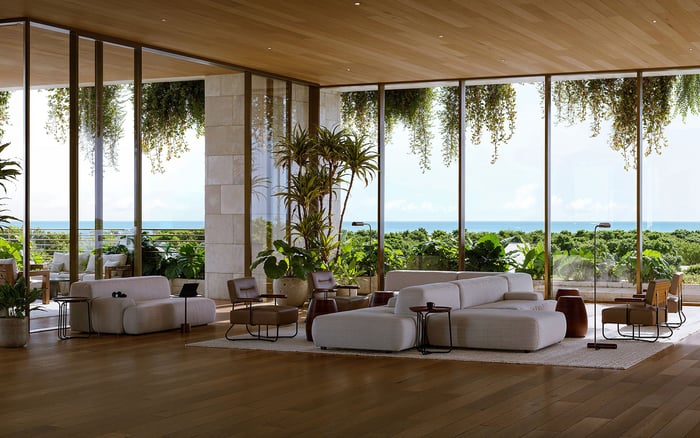
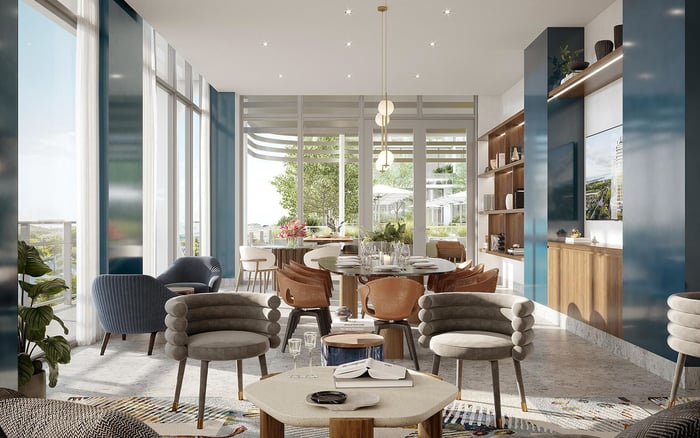
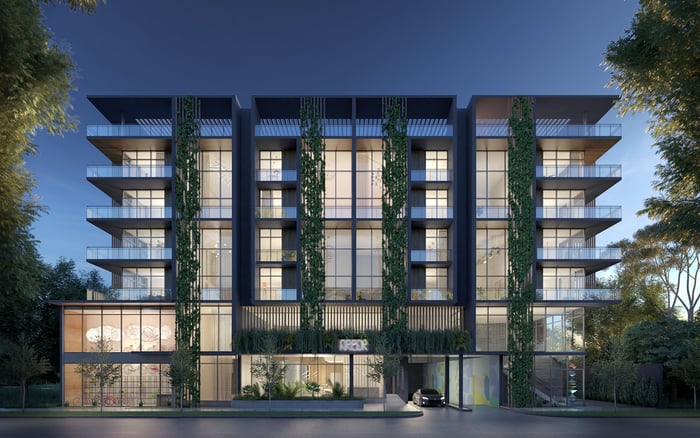
A buyer-focused guide to Mr. C Tigertail Coconut Grove as a seasonal ownership base, emphasizing branded hospitality, walkability, village-scale living, and the Grove’s waterfront culture.
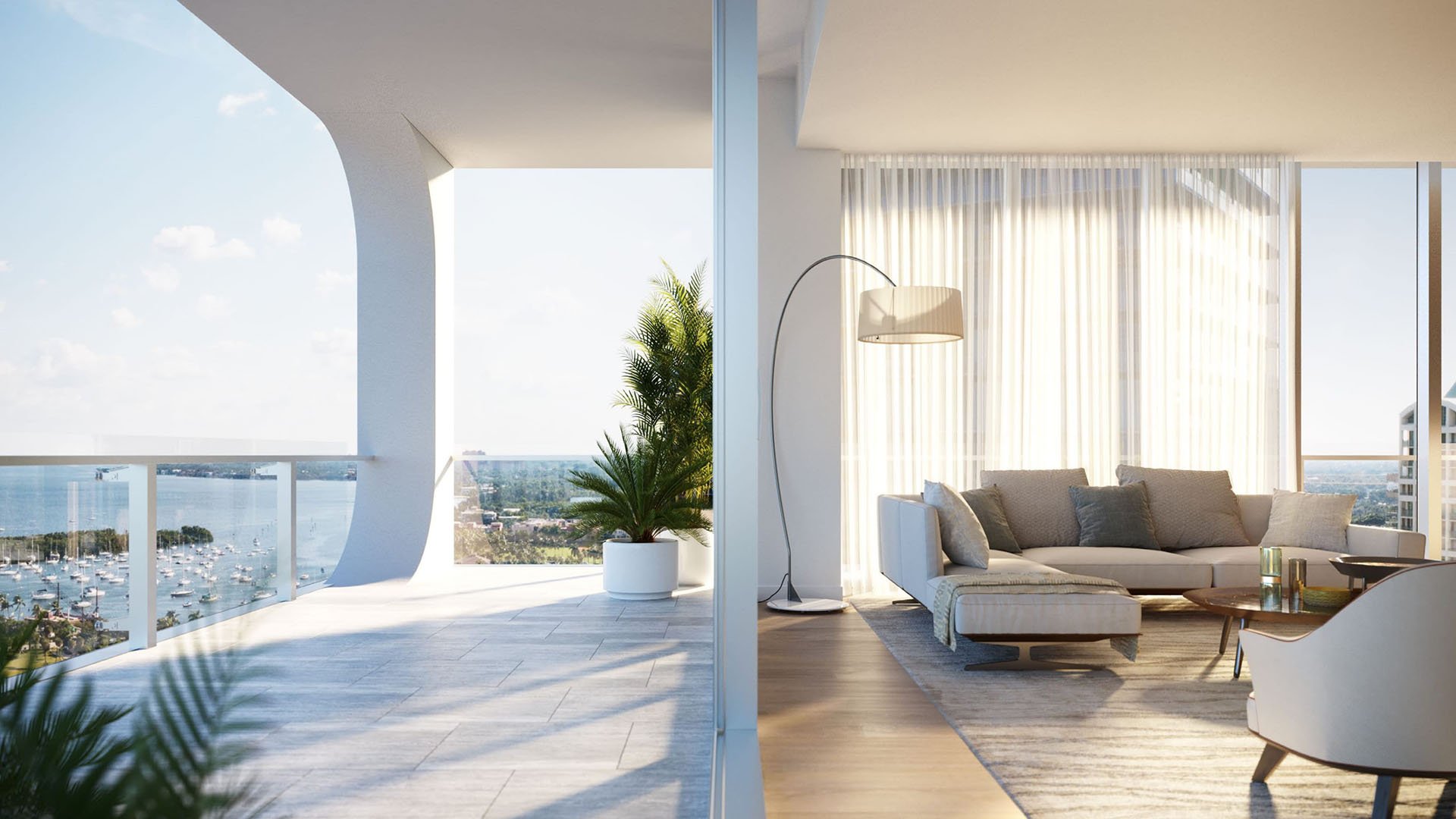
For the seasonal owner, the most interesting question is not whether Miami can deliver sunshine, restaurants, and a convenient airport. It can. The sharper question is whether a residence can create a repeatable rhythm: arrive easily, settle quickly, live well without over-programming the day, and leave with confidence that the home remains part of a managed lifestyle.
That is the lens through which Mr. C Tigertail Coconut Grove should be understood. Its appeal is not a generic pied-à-terre, but branded residential hospitality in Coconut Grove, a neighborhood whose scale and sensibility are distinct within Miami’s luxury map. For owners who divide time among New York, London, Latin America, the Caribbean, or Palm Beach, the Grove can function as a composed Miami anchor rather than a high-intensity urban stop.
The difference is subtle but material. In Brickell, the energy is vertical, financial, and metropolitan. In Miami Beach, the ritual is often oceanfront, social, and highly visible. Coconut Grove offers another register: lush streets, village-scale movement, food and beverage within reach, marina culture, and a waterfront orientation that feels less performative. For seasonal owners, that restraint can be the luxury.
Coconut Grove is central to the ownership proposition because it changes how time is spent. A seasonal residence is most valuable when it reduces friction. If morning coffee, dinner, a marina walk, or a casual meeting can happen without turning every outing into a cross-county production, the owner uses the home more naturally and more often.
That walkable, lower-scale character separates the Grove from denser districts. It is not trying to replicate Brickell’s tower-to-tower momentum or Miami Beach’s resort frontage. The neighborhood’s appeal lies in its sense of being embedded, green, and lived-in. Seasonal owners with primary homes elsewhere may find that especially useful. The goal is not to duplicate the life they have in another city, but to create a South Florida routine that feels specific.
For buyers organizing a Coconut Grove search, the relevant comparison is often between intensity and ease. A residence here can support long weekends, winter months, school-holiday stays, or recurring business travel, while still feeling like a home base. The phrase second-home applies, but it understates the point. For many high-net-worth owners, this is not secondary in quality; it is secondary only in calendar position.
The Mr. C positioning matters because seasonal ownership depends on service. The more a buyer travels, the more a residence must perform before and after arrival. Branded residential hospitality can help bridge that gap, giving the ownership experience a more hotel-informed structure while preserving the privacy and permanence of a private home.
This is where Mr. C Tigertail Coconut Grove sits within a broader South Florida pattern. Luxury buyers increasingly evaluate service culture alongside architecture, views, and neighborhood. They want a residence that supports arrival, departure, guests, entertaining, wellness, and daily convenience without requiring the owner to manage every detail personally.
In Coconut Grove, that service layer is especially powerful because the neighborhood itself already supplies a slower, more residential cadence. The result is not simply convenience. It is continuity. The owner can come and go while maintaining a familiar local routine, with the Mr. C brand adding hospitality-style polish to the experience.
Coconut Grove buyers are rarely looking at only one building. They are usually comparing lifestyle formats. A buyer considering Four Seasons Residences Coconut Grove may be evaluating another branded residential expression within the same neighborhood. A buyer looking at Park Grove Coconut Grove may be drawn to the established Grove luxury narrative. Someone also considering The Well Coconut Grove may be focused on how a residence supports daily routines within a quieter Miami setting.
The point is not that one format is universally better. It is that Coconut Grove rewards precision. Some owners want the most discreet sense of neighborhood belonging. Others want a more pronounced hospitality imprint. Others prioritize a Grove address because it gives them access to Miami without requiring them to live at Miami’s loudest volume.
By contrast, a buyer comparing Grove life with Cipriani Residences Brickell is likely weighing a different urban proposition: a branded residence in a denser, more commercial environment versus branded hospitality in a greener, more village-like district. Both can be compelling. The right answer depends on how the owner intends to use the residence.
The strongest seasonal ownership scenarios are specific. An owner arrives on a Thursday evening, keeps Friday light, spends Saturday near the water, hosts dinner locally, and leaves Monday without feeling as if the weekend was consumed by logistics. Another owner may spend several winter weeks in residence, using the Grove as a base for boating, dining, family visits, or business in Coral Gables, Downtown, or Brickell.
Mr. C Tigertail Coconut Grove supports that kind of pattern because the project’s identity is tied to the Mr. C brand and to Coconut Grove itself. The residence is not being presented as an isolated tower experience. Its value is connected to the neighborhood: food, beverage, marina culture, waterfront access in the broader Grove sense, and the ability to move through Miami at a more measured pace.
That distinction matters for international buyers as well. A multi-city life often requires homes that are immediately legible. The owner should not need to relearn the property or the neighborhood with every arrival. Branded hospitality can make the residence feel operationally familiar, while Coconut Grove supplies the local character that prevents the experience from becoming interchangeable.
The first consideration is use. If the owner wants constant nightlife, beach club adjacency, or a more visible social stage, Coconut Grove may not be the most direct answer. If the owner wants a refined Miami base with walkability, greenery, waterfront culture, and a softer daily tempo, the Grove becomes highly persuasive.
The second consideration is service preference. Some buyers want privacy above all else and minimal interaction. Others value a hospitality-informed environment because it simplifies seasonal living. Mr. C Tigertail belongs in the latter conversation: a residence shaped by brand, service, and neighborhood rather than by pure anonymity.
The third consideration is portfolio logic. Many buyers already own in a dense city, an island setting, or a family compound elsewhere. A Grove residence can fill a different role: not the trophy beach house, not the financial-district apartment, but a cultivated Miami base. Boutique in feeling, village-oriented in rhythm, and connected enough for regular use.
For taxonomy-minded buyers, labels such as Mr. C Tigertail Coconut Grove, Brickell, marina, and second-home help frame the decision, but the lived experience is more nuanced. The better question is whether the residence will make the owner’s Miami time feel intentional rather than improvised.
Is Mr. C Tigertail Coconut Grove best understood as a seasonal residence? Yes. Its strongest framing is as a seasonal-owner base shaped by branded hospitality and Coconut Grove lifestyle.
What makes Coconut Grove different from Brickell for luxury buyers? Coconut Grove offers a lusher, lower-scale, more village-like rhythm, while Brickell is denser and more urban in feel.
Is the project positioned around branded hospitality? Yes. The Mr. C brand is central to the residential concept and supports a hospitality-informed ownership experience.
Why might international owners consider this location? It can serve as a Miami anchor for owners who divide time among multiple cities or countries.
Does Coconut Grove support a walkable lifestyle? Yes. The neighborhood’s village-scale character is a key part of its appeal for seasonal owners.
Is this the same lifestyle as Miami Beach ownership? No. Miami Beach is often more resort and oceanfront driven, while Coconut Grove feels greener, quieter, and more residential.
What should buyers avoid assuming about the project? Buyers should avoid relying on unsupported assumptions about pricing, unit counts, dates, or sales performance.
Who is the ideal buyer profile? The natural buyer values service, neighborhood character, discretion, and a repeatable seasonal routine.
How should buyers compare Coconut Grove projects? They should compare service model, neighborhood fit, privacy, daily convenience, and how often they will actually use the residence.
Is Mr. C Tigertail Coconut Grove primarily about investment? The more defensible lens is lifestyle first: branded residential hospitality in Coconut Grove for intentional seasonal use.
For a discreet conversation and a curated building-by-building shortlist, connect with MILLION.
If branded residences are on your mind — as a home or as an allocation — we would be glad to share what we are seeing, privately.
Begin a quiet conversation