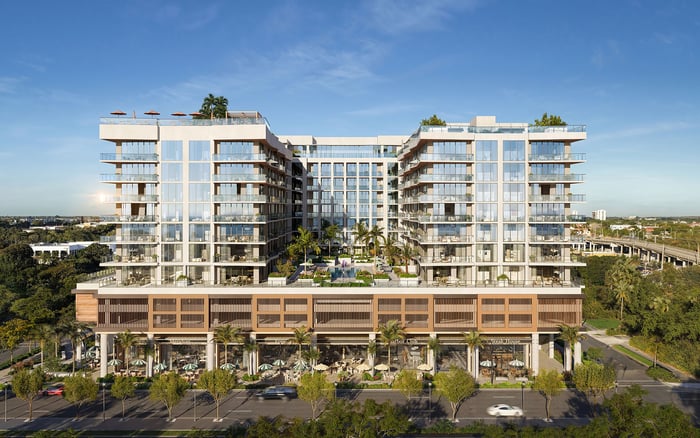
For South Florida luxury buyers who entertain, the useful comparison between Mr. C Residences West Palm Beach and The Surf Club Four Seasons Surfside centers on documented access, catering procedures, reservation terms, fees, and event restrictions rather than amenity descriptions alone.
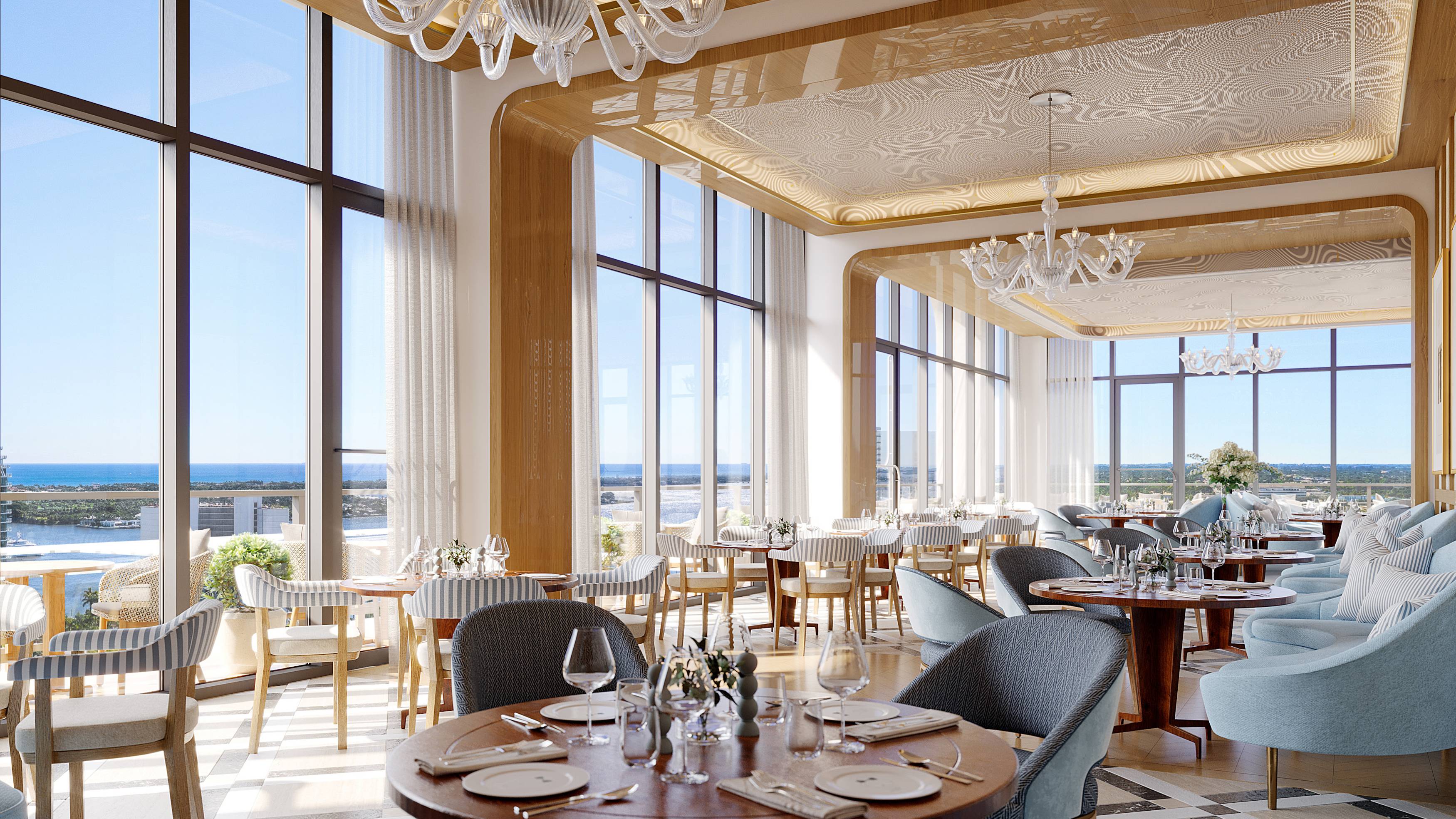
For buyers comparing Mr. C Residences West Palm Beach with The Surf Club Four Seasons Surfside, private dining should be evaluated as an operating framework, not simply as an amenity. The central issue is whether the property’s governing documents and current procedures support the owner’s intended occasions.
A polished dining room or hospitality brand does not, by itself, establish a resident’s right to reserve a venue, bring guests, select a caterer, hire vendors, or host an event. Those rights may depend on the type of space, the operator, availability, separate contracts, applicable charges, and building rules.
The most useful luxury is clarity about how an occasion will be approved and serviced.
This shared buyer’s lens keeps the comparison practical. Buyers should identify what ownership includes, what requires a separate reservation or agreement, who controls food and beverage, which restrictions apply, and how the process changes with the size or format of an event.
Branded residences can combine several environments under one identity: private homes, resident amenities, restaurants, lounges, hotel spaces, clubs, and commercial event venues. The branding may feel seamless, but access and control can differ from one setting to another.
At Mr. C Residences West Palm Beach, a buyer should ask which dining and event experiences are part of the condominium offering and which are independently operated. The same analysis applies at The Surf Club Four Seasons Surfside. An owner should not assume that residential access, restaurant reservations, membership privileges, and event-booking rights are interchangeable.
The distinction also affects payment and liability. A residential amenity may be governed by association rules, while a restaurant or event venue may require a separate agreement. A private gathering inside a residence may be subject to different guest, staffing, delivery, insurance, noise, and cleanup requirements than an occasion held elsewhere on the property.
The phrase “catering access” can describe several arrangements. It may refer to food delivered to a residence, service provided by an on-site culinary team, a restaurant-hosted private meal, or a separately contracted event. Buyers should determine which arrangement applies to the occasion they have in mind.
Written confirmation should address whether an owner may appoint an outside caterer, private chef, sommelier, florist, musician, photographer, or production vendor. If outside providers are permitted, the property may still impose insurance, access, staffing, security, elevator, loading, or cleanup requirements.
Buyers should also distinguish permission from practicality. A vendor may be allowed in principle but subject to limited service windows, approved entrances, restricted equipment, or advance documentation. Those details can determine whether a proposed dinner or reception is workable.
A useful comparison begins with a specific event rather than a general question about entertaining. Buyers should describe the proposed venue, guest profile, seating style, meal service, entertainment, décor, deliveries, setup needs, and preferred timing.
That request should then be tested against several categories:
The answers should come from current governing documents and a written proposal for the intended occasion. Verbal assurances and general marketing language may not address the exact space, date, or service format.
Before relying on private dining or event access as part of a purchase decision, buyers should request the current condominium declaration, house rules, amenity policies, event-reservation procedures, catering rules, fee schedules, and any relevant operator terms available for review.
The due-diligence request should also ask who has authority to approve an event and whether that approval can be withdrawn or modified. Buyers should clarify how conflicts are handled when a desired space is unavailable, reserved for another purpose, or controlled by an operator outside the association.
Any material promise should be identified in writing. If a particular entertaining feature influences the purchase decision, counsel can help determine whether the applicable documents support the buyer’s understanding.
A buyer may also compare how other branded residences frame hospitality and event access. In Palm Beach County, Mandarin Oriental Residences, West Palm Beach can be considered through the same document-based lens. In Miami-Dade County, The Delmore Surfside offers another Surfside reference point for asking consistent questions.
The objective is not to infer that different properties provide identical programs. It is to apply one disciplined review method across the South Florida shortlist. Using the same proposed event and the same written questions makes the answers easier to compare.
The right model depends on how the owner expects to entertain. A buyer focused on private meals at home may prioritize delivery procedures, staffing access, privacy, and service timing. A frequent host may care more about venue control, reservation priority, vendor flexibility, guest processing, and transparent charges.
Occasional larger gatherings raise a different set of issues, including approval authority, event contracts, security, insurance, sound, deliveries, and restoration of the space. Buyers should confirm that the contemplated format is permitted before assigning value to an event venue.
Between Mr. C Residences West Palm Beach and The Surf Club Four Seasons Surfside, the strongest fit is the property whose written rules and operating procedures align with the buyer’s real entertaining habits. Hospitality branding may shape the experience, but documented access determines whether that experience can be relied upon.
For discreet guidance on comparing South Florida residences through a private-dining and event-readiness lens, consult MILLION.
If branded residences are on your mind — as a home or as an allocation — we would be glad to share what we are seeing, privately.
Begin a quiet conversationAccess may depend on governing documents, venue control, reservations, operator terms, and building procedures. An amenity description alone may not establish a resident’s booking rights.
They should identify whether it is a residential amenity, restaurant, hotel venue, club, or commercial event room. That classification can affect access, approval, and payment terms.
Not necessarily. Buyers should obtain written confirmation of eligibility, priority, reservation procedures, and any separate agreements.
It may refer to delivery, in-residence service, restaurant-hosted dining, or a separately contracted event. Buyers should confirm which model applies to their intended occasion.
Yes. Written policies should clarify whether outside providers are permitted and which insurance, access, staffing, and cleanup rules apply.
A defined scenario helps the property team address the desired space, service format, vendors, timing, and guest procedures. It produces a more useful answer than a general question about entertaining.
Buyers should ask about venue charges, deposits, service fees, staffing costs, minimum commitments, and cancellation terms. The applicable amounts and conditions should be confirmed in writing.
Request the current declaration, house rules, amenity policies, event procedures, catering rules, fee schedules, and relevant operator terms available for review.
They can submit the same proposed event and the same written questions to each property. This helps reveal differences in access, approvals, vendors, procedures, and costs.
The better fit is the property whose documented rules and operating procedures support the buyer’s actual entertaining habits. Branding should be considered alongside enforceable access and practical restrictions.