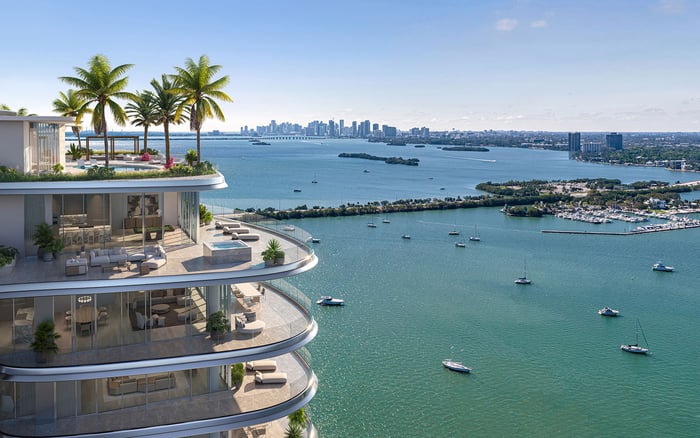
For a Seattle family office, a North Bay Village acquisition is both a property decision and a capital-allocation event. This guide addresses portfolio fit, closing liquidity, post-purchase reserves, rental underwriting and development diligence without treating broad market signals as substitutes for asset-level analysis.

Moving a family office from Seattle to North Bay Village is more than a residential relocation. It is a coordinated decision about portfolio concentration, liquidity timing, governance and the role a South Florida home should play on the balance sheet.
For a principal, the purchase should be evaluated alongside possible changes in surrounding development, access, traffic and view corridors. The central principle is straightforward: separate the lifestyle case from the investment case, then require each to withstand independent scrutiny.
A residence can satisfy a lifestyle objective without becoming an oversized portfolio risk.
Broad market indicators can provide context, but they cannot establish the value or operating profile of a particular residence. North Bay Village options may differ in building condition, services, ownership structure, views, contract terms and future capital obligations.
A review set can include Continuum Club & Residences North Bay Village, Tula Residences North Bay Village and Shoma Bay North Bay Village. The family office should verify current availability, pricing, deposits, specifications, timing and contract terms directly before relying on any project in its analysis.
The comparison should account for the total capital required by the preferred ownership model. A condominium may emphasize service and lock-and-leave convenience, while a single-family residence can place more operating responsibility directly on the owner. Neither format should be evaluated on purchase price alone.
A disciplined family office should establish how the acquisition may be funded before becoming attached to a particular residence. The relevant questions include whether capital will come from cash, borrowing, asset sales or a combination, and whether those choices would alter strategic exposure elsewhere in the portfolio.
Create separate decision ledgers for personal utility and financial performance. Personal considerations may include privacy, access, entertaining capacity and multigenerational use. Financial analysis should address purchase basis, recurring ownership costs, possible future capital calls, liquidity constraints and a conservative exit case. A subjective lifestyle premium can inform the decision, but it should remain visible rather than being absorbed into optimistic financial assumptions.
The office should also define its approval process. Identify who can recommend a property, authorize diligence, approve contract changes and release funds. This helps prevent a lifestyle purchase from bypassing the governance standards applied to other significant allocations.
Settlement funds should be managed independently from long-duration investments and ownership reserves. For a completed resale, diligence can address the contract, title, inspections, insurance, building records and the cash required at closing. For a new development, the liquidity plan should follow the contractual deposit schedule and anticipated completion while allowing for changes permitted by the governing documents.
Pre-construction commitments may extend across multiple portfolio periods. The family office should map each required payment to a designated source, assign responsibility for notices and maintain a contingency plan for timing changes. Pricing, availability, deposits, completion timing and contract provisions require direct verification.
Avoid making the closing dependent on one market-sensitive transaction settling at precisely the required moment. A treasury schedule can identify required funds, their location, settlement lags and authorized signatories. Tax, domicile, entity and financing decisions should be reviewed with qualified advisers before execution.
Post-purchase reserves should not be treated as one undifferentiated cash balance. Separate planning categories can address recurring ownership expenses, possible building obligations, property improvements and discretionary opportunities. This gives the investment committee a clearer view of available capital and reduces the chance that an unexpected property need competes with another portfolio commitment.
For a condominium, review the association budget, reserves, insurance structure, pending work, leasing provisions and disclosed assessments. For a house, prepare an asset-specific operating plan around insurance, maintenance and anticipated improvements. Every candidate requires building-level or property-level underwriting.
A nearby boutique project such as La Maré Bay Harbor Islands may provide a residential comparison, but the acquisition decision should remain centered on North Bay Village and the obligations attached to the specific property under review.
Waterfront appeal and surrounding development should be assessed together. For each candidate, investigate nearby parcels, approved work, construction timing, access routes and possible nuisance exposure. Evaluate view corridors from the residence’s actual elevation and orientation rather than relying solely on generalized marketing materials.
The investment committee does not need to classify all redevelopment as favorable or unfavorable. It needs to determine whether the selected residence remains suitable under a range of plausible construction, access and neighborhood conditions. Counsel and relevant technical advisers can help distinguish marketing expectations from documented rights and obligations.
Any rental analysis should begin with comparable residences and then account for association dues, property taxes, insurance, management, vacancy and maintenance. Building rules and contractual restrictions should be confirmed before rental income enters the approval case.
A home acquired chiefly for family use should not depend on aggressive rental assumptions to support its carrying cost. If income is strategically important, the office should evaluate unit-specific evidence and operating constraints rather than extrapolating from broad asking-rent indicators.
Begin by defining the purpose of the purchase, the preferred ownership format and the maximum acceptable exposure. Next, compare suitable residences on a total-capital basis and establish the liquidity calendar. Complete property, contract and development diligence before approving dedicated ownership reserves and finalizing the ownership structure.
The final investment memorandum should state which conclusions are supported by documents, which depend on professional advice and which remain subjective lifestyle judgments. That distinction gives the family office a durable record for approval, monitoring and any later sale decision.
For discreet guidance on North Bay Village opportunities and acquisition strategy, connect with MILLION.
If branded residences are on your mind — as a home or as an allocation — we would be glad to share what we are seeing, privately.
Begin a quiet conversationThe acquisition can affect concentration, liquidity timing, governance and future capital commitments. Lifestyle value and financial considerations should be assessed separately.
Define the acquisition mandate, preferred ownership format, funding approach and maximum acceptable exposure before evaluating individual residences.
Buildings and residences can differ in condition, services, views, contract terms and future obligations. Broad market indicators cannot replace property-specific diligence.
Manage settlement funds separately from long-duration investments and post-purchase reserves. Map each required payment to a designated source and authorized decision-maker.
The liquidity plan must follow the contractual deposit schedule and anticipated completion timing. All project details and contract provisions should be verified directly.
Planning categories can cover recurring ownership expenses, possible building obligations, property improvements and discretionary opportunities.
Review the association budget, reserves, insurance structure, pending work, leasing provisions and disclosed assessments with appropriate advisers.
Investigate surrounding parcels, documented approvals, construction timing, access routes, nuisance exposure and possible effects on view corridors.
Use comparable residences and account for dues, taxes, insurance, management, vacancy and maintenance. Confirm building and contractual restrictions before relying on income.
It should separate documented conclusions, professional advice and subjective lifestyle judgments. This creates a clearer record for approval and future monitoring.