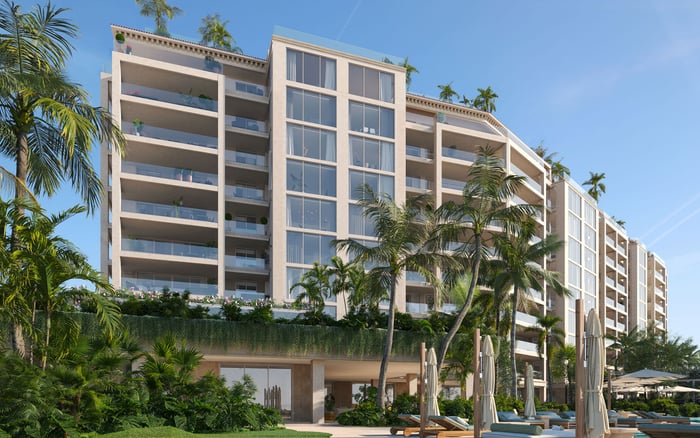
For a Montreal family office, a Fisher Island acquisition is both a residence decision and a multiyear capital-allocation exercise. The essential work is to synchronize staged USD deposits, portfolio liquidity, currency policy, buyer financing, ownership planning, and property-level diligence before signing.
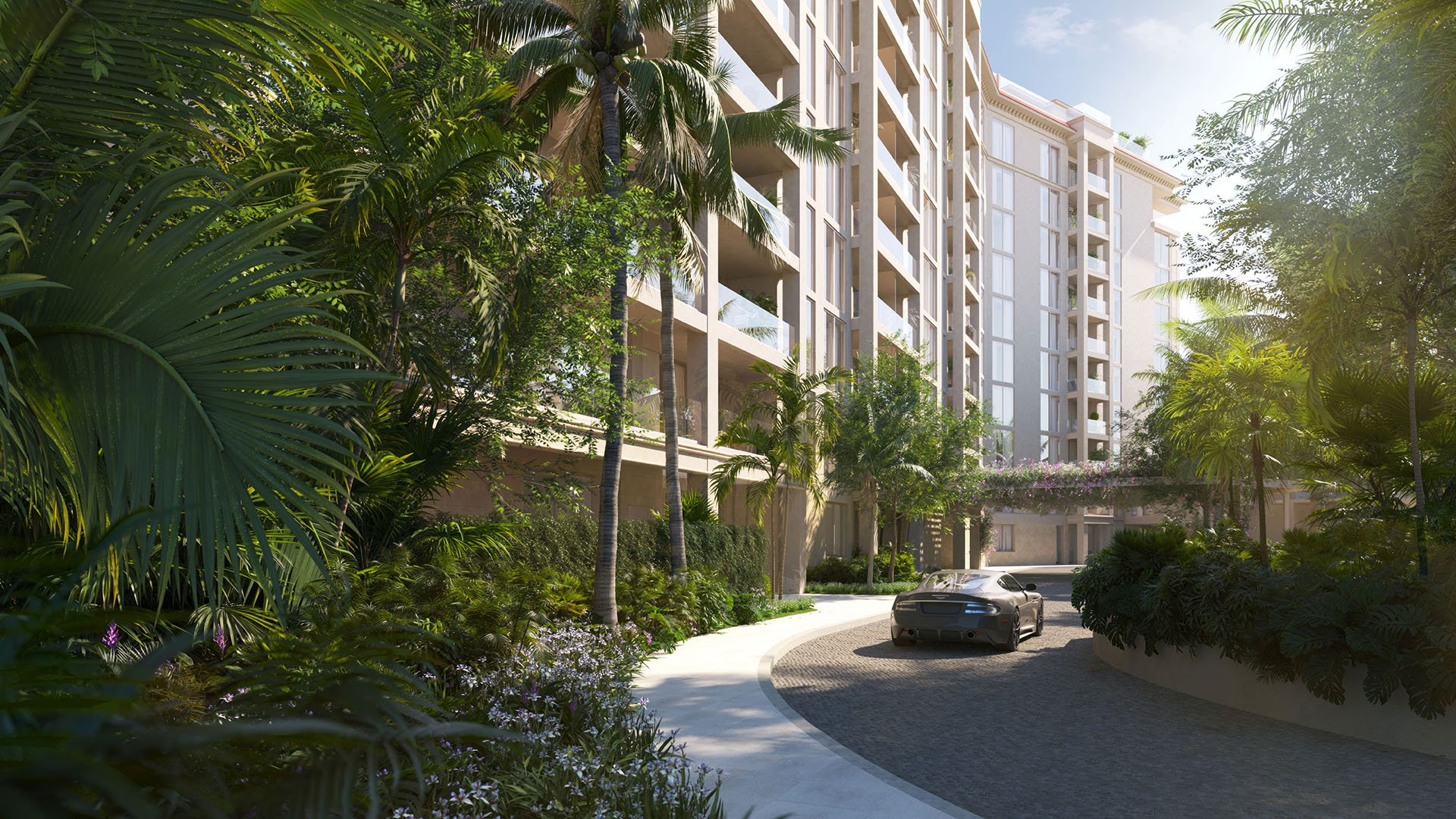
Fisher Island offers an unusually private setting: 216 acres off Miami Beach, accessible only by ferry or private yacht, with approximately 800 residences. Its small residential base and limited new supply create genuine scarcity-but also make the market less liquid and more idiosyncratic than a conventional luxury condominium district.
For a Montreal family office, the acquisition should therefore begin with mandate, not inventory. Determine whether the residence will serve as a primary home, a seasonal base, or an investment asset. That classification shapes the acceptable holding period, financing posture, operating budget, property criteria, and eventual exit assumptions. The distinction is especially important when personal use and investment governance share the same balance sheet.
The central task is to make the residence fit the portfolio, rather than forcing the portfolio to meet the residence.
The 2025 market snapshots illustrate both value and volatility. ZIP code 33109 reached a median sale price near USD 9.5 million at one point, while Q3 recorded only four condominium closings, averaging USD 12.12 million, with a median of USD 11.25 million and an average of USD 2,953 per square foot. Another 2025 snapshot placed median pricing at USD 2,369 per square foot after roughly 15% annual appreciation. With so few trades, even a small number of trophy closings can materially shift island-wide statistics.
Miami preconstruction purchases commonly require deposits totaling 40 to 50% of the purchase price, paid in stages, with the remaining 50 to 60% due at closing. Those conventions are useful for scenario planning, but they are no substitute for the executed purchase agreement and offering documents. Exact percentages, dates, milestone triggers, and remedies must be confirmed in writing.
The arithmetic becomes consequential quickly. At USD 15 million, a 40 to 50% deposit equals USD 6 million to USD 7.5 million before closing. At USD 30 million, the corresponding requirement is USD 12 million to USD 15 million. These sums should be mapped payment by payment against available USD cash, planned portfolio realizations, and financing that is committed rather than merely anticipated.
A practical liquidity schedule should separate four pools: contractual deposits, the closing balance, property-related expenditures, and a contingency reserve. The reserve prevents every available dollar from being treated as purchase consideration when closing costs, furnishings, association charges, insurance, or possible capital assessments may still require funding. It also reduces the risk of selling portfolio assets at an inconvenient time.
The Residences at Six Fisher Island, at 6 Fisher Island Drive, is planned as 50 bespoke waterfront homes, with pricing from approximately USD 15 million. Trophy offerings have included a roughly 15,000-square-foot penthouse offered at USD 90 million and a ground-floor villa near USD 55 million.
The development has carried a timeline of approximately 24 to 36 months from delivery, while its specific deposit structure is available upon inquiry. A buyer should not import a generic Miami ladder into the treasury model. Instead, obtain the actual schedule and record each amount, due date or milestone, notice mechanism, grace provision, refundability term, completion deadline, assignment restriction, financing contingency, and developer remedy.
Project-level capitalization must remain distinct from buyer financing. The development group secured a USD 400 million construction loan in 2024, but that facility does not establish whether an individual purchaser can borrow, how much leverage may be available, or on what terms. The family office still needs its own financing plan for deposits, closing, and post-closing liquidity.
Financing should be tested as a portfolio tool, not assumed to be a closing-day solution. The office can model different combinations of cash, planned realizations, and committed credit, then stress-test each path against delayed liquidity events and changing portfolio values. Any credit strategy should be evaluated for collateral requirements, maturity profile, currency, and interaction with the residence’s concentrated exposure.
A staged purchase also requires clear governance. Assign responsibility for approving wires, verifying contractual notices, tracking construction milestones, maintaining reserves, and documenting the source of funds. A concise decision calendar allows investment, tax, legal, and household stakeholders to work from the same schedule without confusing a developer milestone with a portfolio-liquidity event.
For buyers comparing the new offering with other island options, Palazzo del Sol and Palazzo della Luna can be considered within the broader Fisher Island search. The objective is not to treat unlike residences as interchangeable, but to determine whether new construction, an existing condominium, or another ownership format best aligns with timing, use, and capital requirements.
A CAD-denominated portfolio faces exchange-rate exposure when substantial USD obligations recur over several years. Leaving conversion until each payment notice arrives can make the residence budget dependent on the spot market at precisely the wrong time. A staged conversion or hedging policy aligned with contractual dates can make the funding plan more deliberate.
The policy should identify the amount and timing of each USD obligation, the portion to be converted in advance, the portion potentially hedged, and the reserve held directly in USD. It should also account for the closing balance rather than focus exclusively on deposits. Currency planning belongs beside the purchase contract because the contract determines when dollars are required.
Scarcity does not eliminate the need for diligence. Because transaction counts are low, valuation work should prioritize the same building, same line, and similar views rather than rely heavily on island-wide averages. An eight-figure Fisher Island home is best treated as a concentrated, relatively illiquid portfolio allocation-not a dependable short-term trade.
Condominium analysis should cover budgets, reserves, insurance coverage, governing documents, and meeting records. These obligations are separate from Fisher Island Club dues and requirements. Local experience matters because island access, condominium procedures, club considerations, and exceptionally limited inventory can shape both the transaction and the ownership experience.
A family office considering a different residential format may also review The Links Estates at Fisher Island as part of its property-selection exercise. Every candidate should be tested against the same framework: intended use, required liquidity, ongoing costs, governance burden, and realistic exit horizon.
Canadian and U.S. tax, estate, ownership-entity, financing, and residency advice should be coordinated before signing. The identity of the legal owner may influence financing and eventual disposition, so entity decisions should not be deferred until funds are due. Counsel should also confirm deposit refundability, assignment rights, contingencies, completion provisions, and remedies before any wire is initiated.
The strongest plan combines residential judgment with institutional discipline: define the mandate, select the property, obtain the actual contract schedule, secure the USD funding path, preserve reserves, and document responsibility for every milestone.
To explore a discreet Fisher Island acquisition strategy, connect with MILLION.
If branded residences are on your mind — as a home or as an allocation — we would be glad to share what we are seeing, privately.
Begin a quiet conversationDeposits commonly total 40 to 50% of the purchase price, although the executed contract controls the actual schedule and terms.
It equals USD 6 million to USD 7.5 million in pre-closing liquidity.
It equals USD 12 million to USD 15 million before the closing balance becomes due.
No. The project's specific deposit structure is provided upon inquiry and must be modeled from the executed documents.
A CAD-denominated portfolio faces exchange-rate exposure when multiple substantial USD payments fall due over several years.
No. It is project-level financing and does not establish the availability or terms of purchaser financing.
Prioritize the same building, same line, and similar views because a few trophy trades can move island-wide averages sharply.
Maintain capacity for closing costs, furnishing, association charges, insurance, possible assessments, and contingencies.
Review budgets, reserves, insurance coverage, governing documents, and meeting records, alongside separate club requirements.
Coordinate Canadian and U.S. advice before signing because ownership structure can affect financing and eventual disposition.