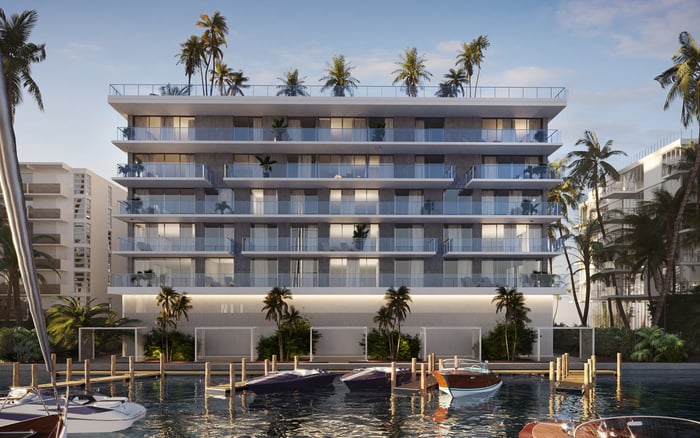
A disciplined framework for a Kuwait City family office considering Bal Harbour: separate relocation decisions from the residence purchase, map staged deposits, test financing assumptions, and preserve closing liquidity.
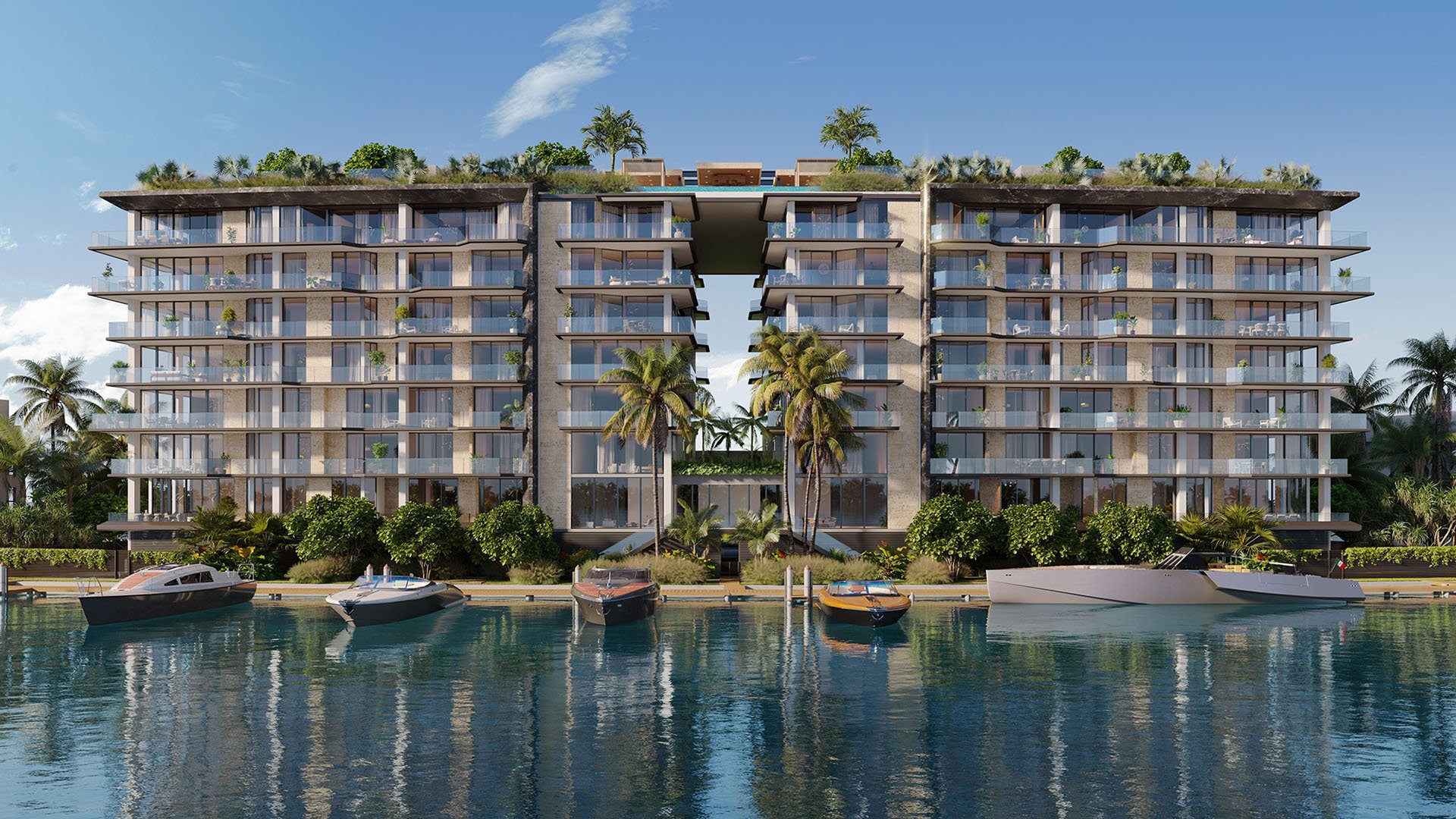
For a family office contemplating a move from Kuwait City to Bal Harbour, the residence is both a family decision and a sequence of capital commitments. The purchase price is only the beginning. Before selecting a home, establish when cash must be available, which financing is approved, and which decisions require separate cross-border advice.
Start with three parallel workstreams: the residence acquisition, the office’s liquidity plan, and the legal and personal dimensions of relocation. Progress on one does not establish readiness on the others. Kuwait-specific banking requirements, immigration eligibility, tax residency, and entity structuring belong with the relevant advisers-not among the assumptions attached to a property reservation.
For a buyer evaluating Rivage Bal Harbour, the first financial deliverable should be a contract-based funding calendar. Views and architecture can guide preference; documented obligations should govern the commitment.
Use hypothetical deposit schedules to test liquidity, not to infer current terms for any named development. An illustrative ladder divides 40% of the purchase price into four installments: 10% at contract, 10% at groundbreaking, 10% halfway through construction, and 10% at topping-off, with the balance at closing.
The arithmetic matters at family-office scale. On a hypothetical $10 million purchase, each 10% installment is $1 million. On a hypothetical $30 million purchase, it is $3 million. Neither purchase price is a quote for a residence, and the ladder is not a confirmed project payment schedule.
Do not treat that schedule as a Bal Harbour standard. Milestone labels alone do not define the buyer’s obligations. Build the calendar from the actual offering documents and contract, with counsel confirming each payment provision.
Under the illustrative 40% ladder, a $10 million acquisition requires $4 million before closing and leaves $6 million of the purchase price due at closing. At $30 million, those figures become $12 million and $18 million. Keep any mortgage contribution as a separate assumption until its terms and availability are established.
Maintain three distinct planning categories: staged deposits, the remaining closing payment, and transaction costs. Obtain a transaction-specific closing-cost estimate rather than relying on a regional percentage as a comprehensive budget.
Alongside this schedule, identify family-office operating needs and other investment commitments. The objective is to avoid counting the same capital toward both a construction milestone and another obligation.
Ask the team to test alternative timing scenarios, including earlier-than-planned cash needs and a longer interval before closing. Each scenario should identify the funding source and the person responsible for authorizing payment.
Portfolio financing should begin with a precise question to the bank: what facility, if any, can this family office obtain for this acquisition? Do not assume that portfolio size establishes borrowing capacity or that a proposed facility can fund every deposit.
Request written answers on permitted use, eligible collateral, valuation terms, pricing, repayment obligations, and conditions that could change availability. If the proposal involves borrowing against securities, ask the bank to explain the consequences of market declines and any obligation to provide additional collateral or repay funds. These are diligence questions, not assumed product terms.
For a Kuwait-based buyer considering a Bal Harbour condominium, ask prospective lenders to assess the specific borrower, ownership entity, and building. Do not infer eligibility or a loan amount from general marketing materials.
Keep the mortgage discussion distinct from the deposit plan. Ask the lender to confirm the borrower, building, amount, conditions, and expected funding date before treating proceeds as available cash.
The payment schedule establishes when the buyer must pay. Escrow provisions and contractual permissions help clarify what happens next. Ask counsel to review where deposits are held, whether the agreement permits their use for construction, and what protections and remedies the documents provide.
Do not reduce this review to a reassuring milestone name. “Groundbreaking” and “topping-off” are no substitute for the contractual language that establishes a payment obligation. Request a written summary of triggers, notice requirements, deadlines, and any relevant refund or default provisions.
When extending the search to Bay Harbor Towers, repeat the review rather than carrying assumptions from another offering. Bay Harbor Islands is a neighboring market, not Bal Harbour itself. Compare each property’s documents rather than applying a regional deposit template.
For the investment committee, a concise obligations matrix can be more useful than a promotional timeline: amount due, trigger, funding source, document reference, and unresolved questions.
Developer financing provides relevant context, but it does not establish whether the family office can complete its purchase. When reviewing Rivage Bal Harbour, request current project financing information for review with advisers rather than treating a financing announcement as confirmation of buyer readiness.
Apply the same distinction when considering La Maré Bay Harbor Islands. Confirm which collection and contractual offering any financing information concerns before using it in the acquisition review.
A developer construction loan should not be treated as a guarantee of completion, deposit protection, or buyer mortgage approval. Evaluate the developer’s financing context, the contractual treatment of buyer funds, and the family office’s borrowing arrangements separately. A substantial construction loan replaces none of those reviews.
Before signing, bring the property lawyer, banking team, and cross-border advisers together around one acquisition schedule. Confirm the deposit ladder, closing-cost estimate, financing conditions, escrow review, and approval responsibilities. Record unresolved questions rather than turning them into optimistic assumptions.
The family office should be able to explain how it will meet each payment without relying on unconfirmed borrowing. It should also keep residence ownership separate from conclusions about immigration, tax residency, or the structure of the relocated office.
The strongest position is not simply the ability to purchase. It is the ability to commit deliberately while preserving room for the family’s wider plans.
For a discreet conversation about Bal Harbour and neighboring residential opportunities, connect with MILLION.
If branded residences are on your mind — as a home or as an allocation — we would be glad to share what we are seeing, privately.
Begin a quiet conversationBuild the deposit budget from the development’s offering documents and contract. Treat illustrative schedules as planning exercises, not confirmed project terms.
One example requires 10% at contract, 10% at groundbreaking, 10% halfway through construction, and 10% at topping-off. It is not a confirmed schedule for any named project.
A 10% installment is $1 million on a hypothetical $10 million purchase and $3 million on a hypothetical $30 million purchase. These are arithmetic examples, not quoted unit prices.
Keep transaction costs separate from deposits and the remaining purchase-price payment in the liquidity plan. Obtain a transaction-specific estimate before committing capital.
Ask prospective lenders to assess the specific borrower, ownership entity, and condominium. Do not treat general marketing materials as confirmation of approval.
Keep proceeds as a separate assumption until the lender confirms the amount, conditions, and expected funding date. Identify how each obligation will be met without relying on unconfirmed borrowing.
No borrowing capacity or deposit-funding permission should be assumed. Ask the bank to confirm the proposed facility’s permitted use, collateral terms, availability, and repayment conditions in writing.
Counsel should review escrow treatment, contractual permission to use deposits for construction, payment triggers, and applicable protections and remedies. Milestone labels alone do not establish the buyer’s obligations.
A developer construction loan should not be treated as a guarantee of completion, deposit protection, or buyer mortgage approval. Review the project financing and the buyer’s borrowing arrangements separately.
A residence purchase should not be treated as establishing immigration eligibility, tax residency, or family-office structuring. Those matters require separate advice from the relevant cross-border specialists.