A discreet buyer’s guide to selecting a lock-and-leave residence in Coral Gables and nearby South Florida neighborhoods, with emphasis on service, privacy, access, resilience, and ownership cadence.

For a buyer moving between Monaco, London, New York, the Caribbean, and South Florida, a home is no longer judged only by its view, finish package, or capacity to entertain. The more important question is whether the property can remain elegant, secure, and ready without daily personal oversight. That is the essence of lock-and-leave ownership.
In South Florida, this standard carries particular weight because buyers often use their residences in concentrated intervals: a winter season, a family holiday, a race weekend, a school visit, a medical stay, or a spontaneous escape from colder markets. The right residence must absorb those absences gracefully. It should allow a principal to arrive with minimal friction, open the door, and feel that the home has been quietly waiting.
Coral Gables sits at a compelling point in this conversation. It offers a more private, residential rhythm than many vertical waterfront districts, while still giving buyers access to the broader Miami lifestyle. The choice is not simply between a condominium and a house. It is between different forms of control.
The Monaco buyer is often fluent in compact luxury: polished service, considered streetscapes, controlled access, and the comfort of a residence that does not require constant intervention. Coral Gables offers a softer version of that logic. The atmosphere is less performative than the beach, less corporate than Brickell, and more rooted in residential discretion.
That distinction matters. A buyer considering Coral Gables may want proximity to dining, culture, schools, private clubs, airport routes, and the city’s business centers, but not the feeling of living in a transient hotel environment. The appeal is composure. A well-chosen lock-and-leave home here should feel protected without feeling sealed off, serviced without feeling impersonal, and connected without surrendering privacy.
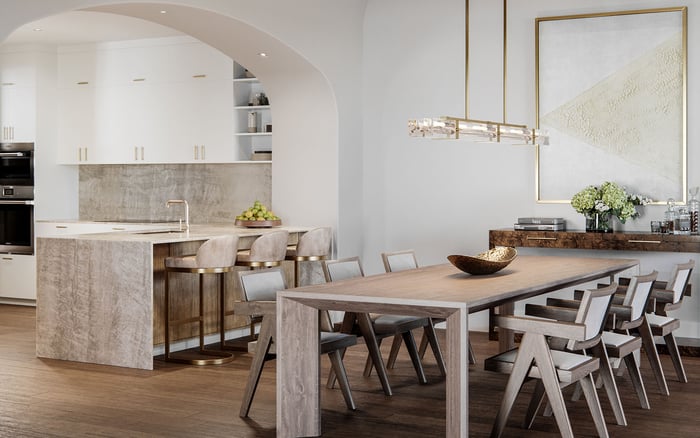
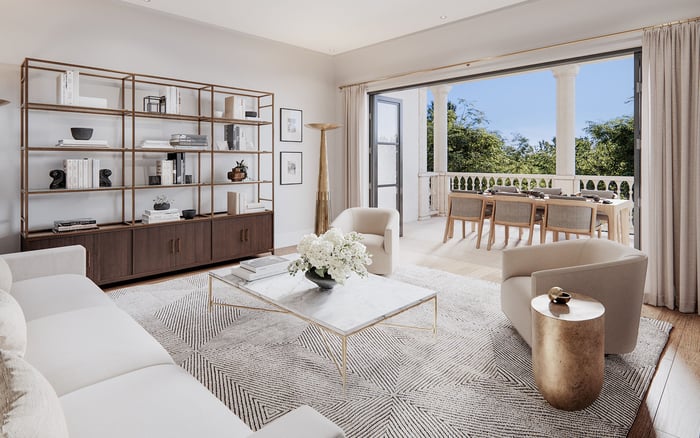
Residences such as Cora Merrick Park speak to that middle ground, where the attraction is less about spectacle and more about daily usability, neighborhood intimacy, and the ability to maintain a refined Miami base with limited operational burden.
Before comparing finishes, amenities, or floor plans, identify how the home will actually be used. A seasonal owner has different needs from a spontaneous weekend visitor. A family using the residence during school breaks will have different priorities from a principal who arrives for business and leaves after three nights.
If the residence will sit vacant for long periods, service depth becomes essential. Who notices a maintenance issue? Who prepares the home before arrival? How are deliveries handled? How much can be coordinated without relying on favors, neighbors, or an improvised property manager? Lock-and-leave ownership should not depend on luck.
If the residence will be used frequently, lifestyle friction matters more. Parking, guest access, elevator wait times, package flow, pet rules, noise control, and staff responsiveness become part of the luxury experience. A home may be beautiful and still fail the lock-and-leave test if it complicates every arrival.
A full-service condominium typically offers the most straightforward lock-and-leave structure. Staff, controlled entries, maintenance systems, and shared amenities create a layer of support that is difficult to replicate in a private house. For buyers who prioritize simplicity, this is often the cleanest choice.
A townhouse or villa-style residence can offer more privacy, greater separation, and a stronger sense of home. The tradeoff is operational. Landscaping, exterior care, roof responsibility, pest control, pool maintenance, insurance coordination, and vendor access must be understood before purchase. A beautiful residence that requires a dozen separate service relationships can quickly feel less effortless.
This is why projects like Ponce Park Coral Gables and The Village at Coral Gables are useful reference points for buyers studying the space between private residential character and a more managed ownership experience. The right answer depends on how much personal control the buyer wants, and how much operational responsibility they are willing to retain.
In lock-and-leave ownership, amenities are secondary to service. A pool, gym, lounge, or spa has value, but the decisive question is whether the building or community performs when the owner is absent. The best properties make absence feel normal. Weaker ones make absence feel risky.
Ask practical questions. Can staff coordinate access for approved vendors? Is there a clear system for deliveries? Are there protocols for extended vacancy? How is climate control monitored? What happens before a major storm? Who communicates with owners when the principal is abroad? A buyer should not rely on assumptions simply because the lobby is attractive.
Move-In Ready residences may reduce the time between contract and enjoyment, but readiness is not only decorative. True readiness includes systems, documentation, access procedures, furnishings strategy, insurance coordination, and a plan for care when no one is in residence.
The first five minutes of arrival reveal a great deal. Is the entrance intuitive? Is the address easy for a driver but not overly exposed? Can guests be received without announcing the owner’s presence to the entire property? Is there a way to bring luggage, art, wine, or wardrobe items into the residence discreetly?
Global buyers often underweight these details during a tour because the home is staged to be seen in its best light. Yet arrival choreography matters more over time than a dramatic powder room. The true luxury is not being observed, delayed, or forced to explain oneself.
For buyers who want a more urban lock-and-leave option, Brickell can still be compelling when the priority is business access, restaurants, and a more vertical lifestyle. A project such as Cipriani Residences Brickell represents a different interpretation of the same question: how much service, convenience, and brand hospitality does the owner want embedded in the address itself?
Every home needs care. The difference is whether that care is centralized, predictable, and professionally managed. A condominium may reduce exterior responsibility, but buyers still need to understand interior systems, air conditioning, water shutoff procedures, smart-home access, appliance warranties, and vendor permissions.
A private residence may offer greater autonomy, but autonomy requires discipline. If the owner is absent, someone must inspect the home, manage humidity, prepare for weather, and confirm that every system is behaving as intended. The most successful lock-and-leave buyers build a simple chain of accountability before closing, not after the first inconvenience.
Second-home ownership works best when the operating plan is designed with the same care as the interiors. The more valuable the residence, the less acceptable it is to improvise.
Coconut Grove often enters the same conversation because it shares a more residential, mature, and discreet tone than many Miami districts. For some buyers, the Grove feels relaxed and leafy. For others, Coral Gables offers a more formal sense of neighborhood structure. Both can work for a lock-and-leave lifestyle if the property’s service model is strong.
A residence such as Four Seasons Residences Coconut Grove may appeal to buyers who want hospitality-coded living in a quieter setting, while Coral Gables may suit those who prefer a more established residential identity. The question is not which area is better. It is which one best matches the owner’s pattern of use.
A disciplined buyer should evaluate five points before choosing a lock-and-leave home. First, confirm how the residence behaves when vacant. Second, understand who has access, and under what rules. Third, examine the ease of arrival, parking, luggage movement, and guest reception. Fourth, review storage, including owner closets, wine, sporting equipment, art packing, and seasonal wardrobe needs. Fifth, confirm whether the property can support the owner’s preferred level of privacy.
The best decisions are rarely made from the balcony alone. They are made in the service corridor, the parking area, the management office, the rules and procedures, and the small moments when a property either protects the owner’s time or consumes it.
What does lock-and-leave mean in luxury real estate? It means a residence can be secured, maintained, and reactivated with minimal owner involvement during absences.
Is Coral Gables suitable for a lock-and-leave home? Yes, for buyers who want a refined residential setting and are careful about service, access, and maintenance structure.
Is a condo better than a house for this lifestyle? A condo often simplifies operations, while a house or villa can offer more privacy with greater management responsibility.
What should international buyers prioritize first? Prioritize arrival ease, security, staff responsiveness, vacancy protocols, and the ability to manage the home remotely.
Does Move-In Ready always mean easier ownership? Not always. A finished residence still needs clear systems for care, access, climate, insurance, and vendor coordination.
Why compare Monaco with Coral Gables? The comparison is about buyer mindset: privacy, polish, controlled living, and confidence when away from home.
Should I choose Coral Gables or Brickell? Choose Coral Gables for a calmer residential rhythm, or Brickell if urban access and vertical convenience matter more.
Is Coconut Grove a strong alternative? Yes, especially for buyers seeking a quieter Miami address with a relaxed residential atmosphere.
What is the most overlooked lock-and-leave detail? Vendor access is often overlooked, yet it determines how smoothly the home is maintained when the owner is absent.
How should a buyer compare two similar residences? Compare the operating experience, not just the finishes: staffing, rules, storage, arrival flow, and privacy.
For a confidential assessment and a building-by-building shortlist, connect with MILLION.
If branded residences are on your mind — as a home or as an allocation — we would be glad to share what we are seeing, privately.
Begin a quiet conversation