Miami’s major events make access an essential part of luxury-home due diligence. From overlapping March crowds to Formula 1 ramp restrictions and December transit detours, the 2026 calendar offers a practical framework for evaluating routes, building operations, and everyday convenience.
A luxury residence should make daily life feel considered, including the journey home. In Miami, that means looking beyond waterfront orientation, a private arrival, or proximity to a favorite restaurant. The event calendar belongs in the purchase conversation: an ordinary weekday drive cannot reveal how an address functions when several destinations draw crowds at once.
The 2026 calendar offers useful checkpoints: overlapping tennis and music dates in March, Formula 1 in May, the summer World Cup window, and a December transit detour. These restrictions are not interchangeable. A scheduled ramp closure, a corridor traffic warning, and a transit-service change each call for a different response. For buyers, precision matters more than a general promise of neighborhood convenience.
The Miami Open was scheduled for March 15-29 at Hard Rock Stadium, with Golden Glades interchange closures and increased traffic expected during the March 28-29 finals. Ultra Music Festival was scheduled for March 27-29 at Bayfront Park. The final weekend therefore brought overlapping event demand around Miami Gardens and Downtown Miami.
Ultra-related traffic warnings covered I-95, the 95 Express lanes, I-395, and the MacArthur Causeway. The overlap matters not only to eventgoers, but also to buyers assessing a mainland-to-beach routine or an airport transfer. A corridor warning, however, does not establish that an individual residential entrance is closed.
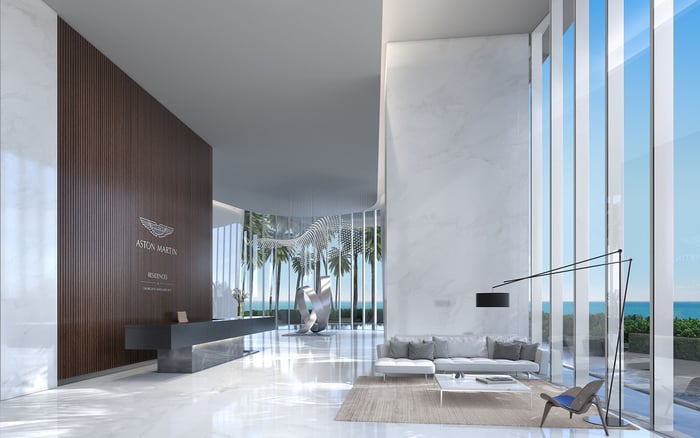
When considering Aston Martin Residences Downtown Miami, use this distinction to frame questions about the building’s approach rather than assume a particular access restriction. Ask which routes management recommends when downtown event traffic intensifies and how guests receive updated arrival instructions.
For a Miami Beach comparison such as Five Park Miami Beach, examine how much your itinerary depends on the MacArthur Causeway. The question is not whether the beach is accessible in principle, but whether a workable alternative fits your schedule when the preferred approach is busy.
The Formula 1 Miami Grand Prix was scheduled for May 1-3 at Hard Rock Stadium. The planned closures were more specific than a general congestion advisory: they included both northbound and southbound Turnpike exit ramps to NW 199th Street/Hard Rock Stadium, Exit 2X, along with the Turnpike entrance ramps from the stadium.
Those ramp closures were scheduled continuously from approximately Thursday morning through Sunday evening. That distinction matters to a buyer arranging a Thursday inspection or Sunday departure, not just someone arriving for a race session. The designated stadium-bound Turnpike detour directed drivers to University Drive/NW 27th Avenue, Exit 47, then south toward NW 199th Street.
Additional restrictions included event-period closures on NW 199th Street between NW 14th Court and NW 27th Avenue. Northbound NW 27th Avenue was also subject to closures during specified Friday, Saturday, and Sunday peak periods. Concurrent Golden Glades and I-95 construction could compound congestion beyond the immediate stadium network.
For F1-related visits, obtain a parking pass in advance rather than assume walk-up parking. For property appointments, confirm the approach and departure separately. A route that works before an event may not be the appropriate return route during a peak closure period.
The FIFA World Cup 2026 tournament-wide window was June 11-July 19. That span should not be read as a continuous Miami road closure. Potential traffic impacts included I-95, I-395, U.S. 1, and Biscayne Boulevard, with northbound Biscayne Boulevard closures identified during event hours.
For homebuyers, the useful distinction is between a broad planning window and a restriction tied to particular operating hours. Neither a tournament date range nor a corridor-level warning establishes uninterrupted disruption at a specific property. Ask for the applicable street segment, direction, hours, and resident-access arrangements before drawing conclusions about an address.
A buyer comparing The Residences at 1428 Brickell with other Brickell options should apply the same route-by-route discipline. Assess airport, workplace, school, hospital, and marina journeys independently. Geographic proximity alone does not establish whether those trips share the same vulnerable approach.
The December 1-2, 2026 Christmas tree-lighting transit detour affects the Brickell and Coconut Grove routes. There will be no service along Pan American Drive or at City Hall, while service continues along South Bayshore Drive. This is a transit-service change, not evidence of a general road closure.
For someone considering Four Seasons Residences Coconut Grove, the detour raises a practical household-mobility question: how might guests or staff who use the affected service adjust their arrival? It does not establish that the residence itself has restricted access.
Apply the same standard to other December events. A busy cultural calendar is a reason to request current access instructions, not a basis for assuming unconfirmed street closures or fixed disruption dates.
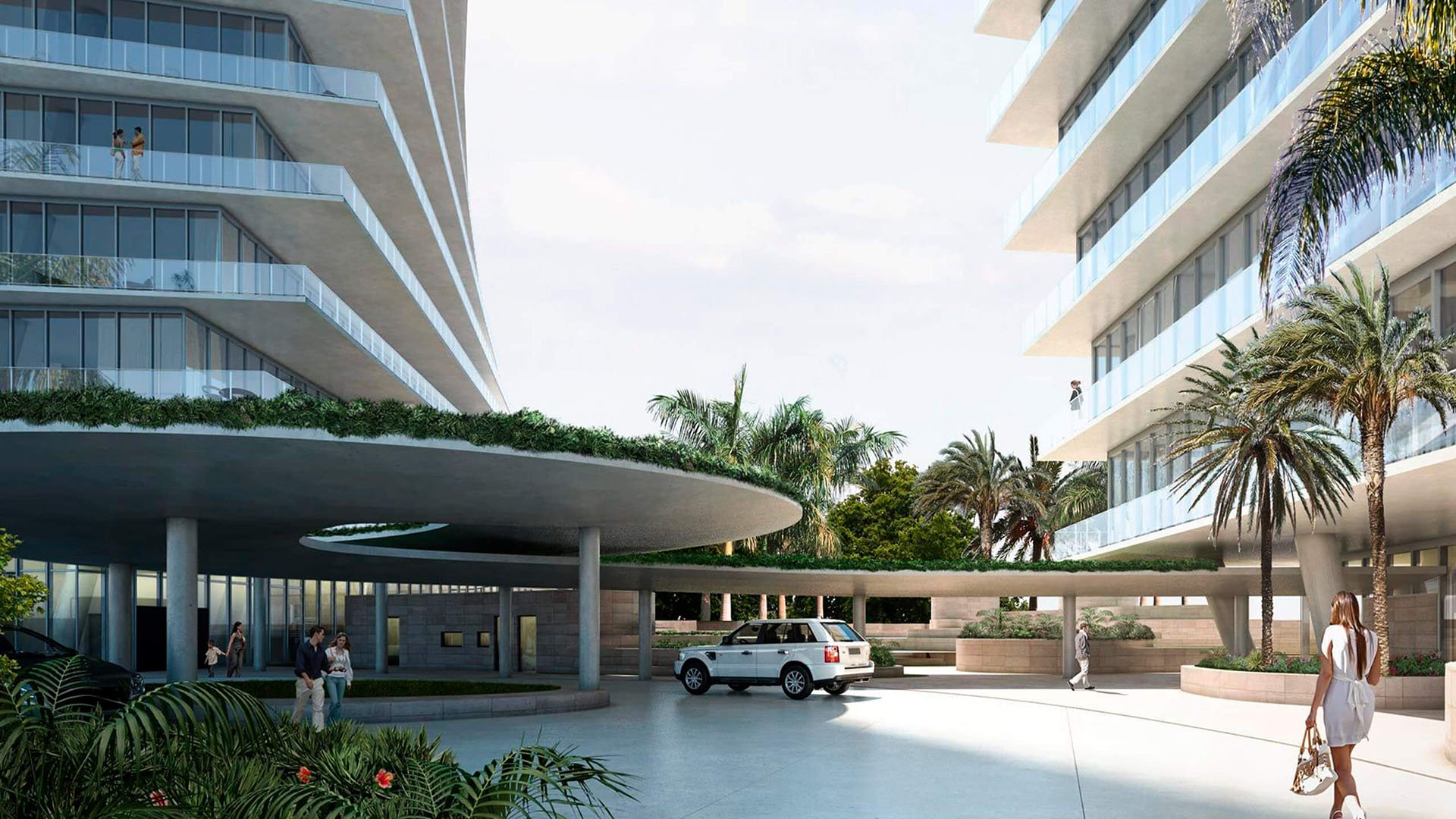
The most revealing building questions are operational. Ask management how event-day valet queues are handled, where guests wait, whether guest parking arrangements change, and how loading and deliveries are coordinated. Clarify staff arrival procedures and emergency access without assuming a staffed entrance resolves every external traffic issue.
For a completed building, request current procedures and distinguish them from informal assurances. For a planned residence, ask which arrangements are proposed rather than established. In either case, asking about access is not a claim that the property has experienced disruption.
Then compare a normal-day itinerary with an event-day alternative. Test the routes that matter to your household, including a time-sensitive airport departure or school collection. Map the return journey as carefully as the outbound trip, and check whether the apparent alternative simply rejoins the same constrained corridor.
The objective is not to avoid Miami’s signature events. It is to understand how a residence supports your routine when the city is busiest. Keep closure schedules, traffic advisories, and building procedures distinct. Before travel, reconfirm exact hours and resident arrangements: plans can change.
For a considered approach to South Florida residential choices, explore MILLION.
If branded residences are on your mind — as a home or as an allocation — we would be glad to share what we are seeing, privately.
Begin a quiet conversationThe Miami Open was scheduled for March 15–29 at Hard Rock Stadium, while Ultra was scheduled for March 27–29 at Bayfront Park. Their calendars overlapped during the March 28–29 tennis finals.
Traffic planning identified I-95, the 95 Express lanes, I-395, and the MacArthur Causeway. These corridor warnings did not establish property-specific entrance closures.
Race weekend was scheduled for May 1–3 at Hard Rock Stadium. Stadium interchange ramp closures were scheduled from approximately Thursday morning through Sunday evening.
The plan included both northbound and southbound exit ramps to NW 199th Street/Hard Rock Stadium, Exit 2X, plus the Turnpike entrance ramps from the stadium.
The designated detour directed drivers to University Drive/NW 27th Avenue, Exit 47, then south toward NW 199th Street. Exact restrictions should be reconfirmed before travel.
No. Visitors should obtain a parking pass in advance rather than assume walk-up parking.
No. June 11–July 19 was the tournament-wide window, while planning identified northbound Biscayne Boulevard closures during event hours rather than a tournament-long shutdown.
It affects the Brickell and Coconut Grove routes, with no service along Pan American Drive or at City Hall and service continuing along South Bayshore Drive. It does not establish a general road closure.
Ask about valet queues, guest parking, loading, deliveries, staff arrivals, and emergency access. Separate established procedures from proposed arrangements.
Compare routes to the airport, workplace, hospital, school, and marina, including return journeys. Check whether alternatives avoid the constrained corridor rather than simply rejoin it.