A buyer-focused look at 619 Brickell, where Foster + Partners architecture meets Nobu hospitality, with planned private amenities, dining and wellness offerings, plus the ownership details worth examining.
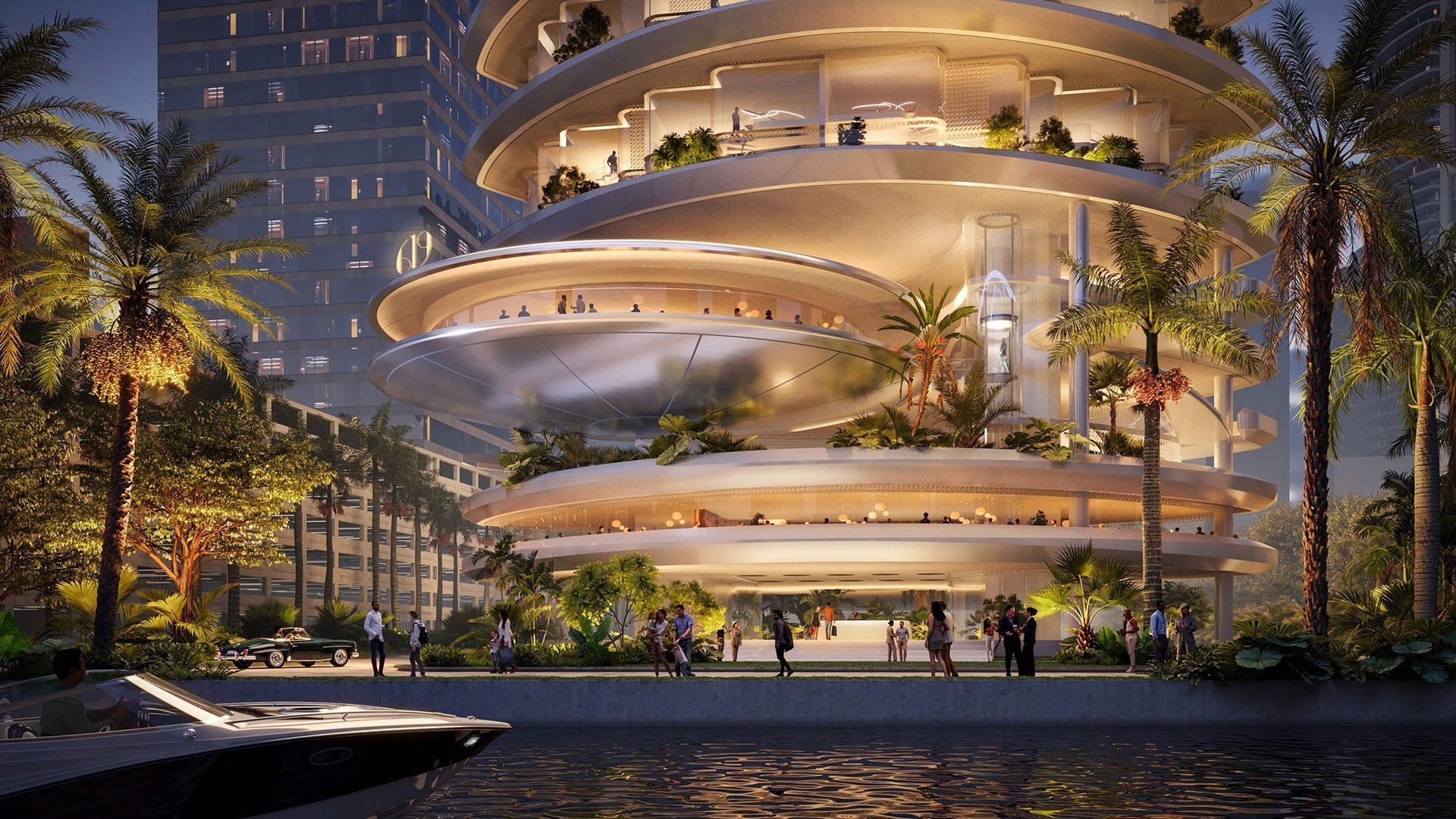
The appeal of branded living is not simply a recognizable name above the entrance. It is the possibility that architecture, dining and daily service will work together as a coherent residential experience. At 619 Residences by Foster + Partners + Nobu Hospitality, that proposition takes shape as a planned tower on Brickell Avenue overlooking Biscayne Bay.
The development brings together Key International and 13th Floor Investments, with Foster + Partners designing in collaboration with Sieger-Suarez Architects. Planned as Nobu Hospitality’s first residential project in Miami, it combines a 74-story, 300-residence program with approximately 90,000 square feet of private indoor and outdoor amenities.
For a prospective owner, the distinction is between a residence associated with a hospitality brand and one whose daily routines are meaningfully supported by it. The planned dining, wellness and leisure offerings make that distinction worth examining closely.
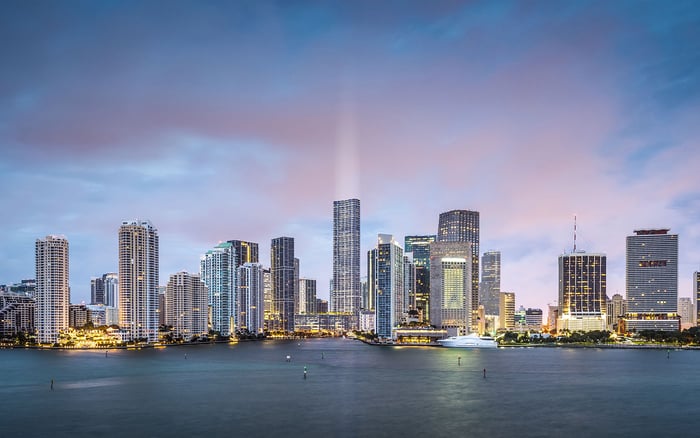
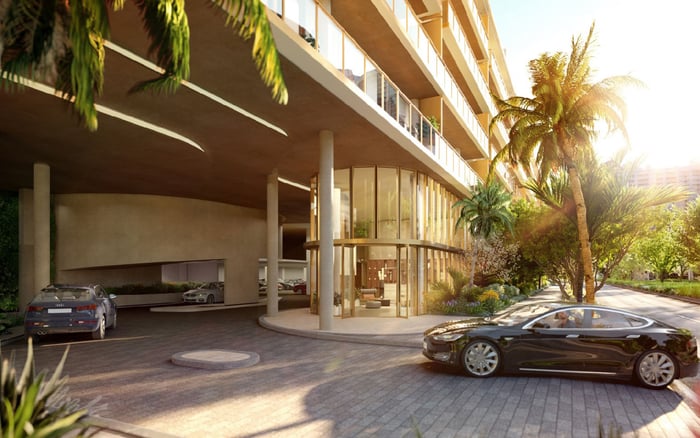
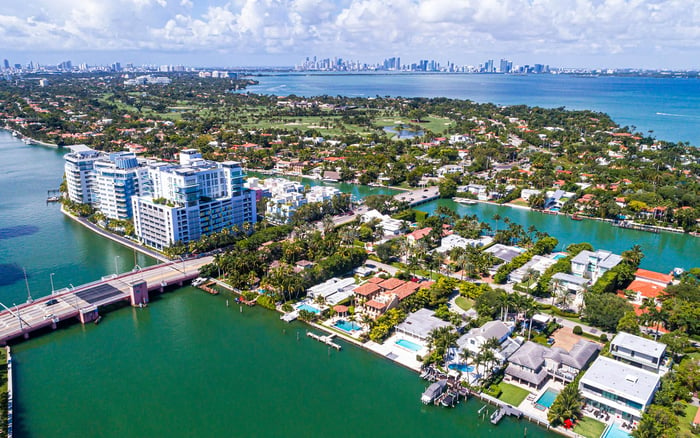
The architectural concept emphasizes a slender, highly glazed tower, expansive bay views and indoor-outdoor living. Its appeal rests partly on the relationship between city and water: a Brickell Avenue address with a design oriented toward Biscayne Bay.
Those are compelling starting points, but they do not replace a review of a specific residence. Buyers should examine final floor plans, orientation, outdoor-space configuration and the relationship between living areas and glazing. A tower-wide design narrative cannot establish the experience of every home.
For buyers also considering The Residences at 1428 Brickell, the useful comparison is residence by residence, not silhouette by silhouette. At 619, the question is how the proposed architecture translates into privacy, usable space and the indoor-outdoor rhythm an owner wants.
The planned ground-level Nobu restaurant is intended to welcome the public. Planned as the brand’s second Miami location following its Miami Beach presence, it would give the development a dining destination beyond the residential community.
The residents-only Nobu Café serves a different role. It is planned within the private amenity program, alongside services including Nobu in-residence dining, private-chef services and poolside service. The public restaurant and private residential offerings should not be treated as interchangeable benefits.
The distinction matters when comparing 619 with another prospect such as Cipriani Residences Brickell. Rather than assuming what a hospitality name guarantees, ask which spaces are private, how services are reserved and which charges fall outside recurring ownership costs. A compelling dining identity becomes a practical residential benefit only when access and service terms suit the owner.
Approximately 90,000 square feet is a substantial planned amenity allocation, but area alone says little about personal utility. The planned outdoor program includes three resort-style pools, private cabanas, lounge terraces and a bayfront resort deck. These spaces suggest a leisure-oriented complement to the urban address.
Inside, the planned program extends to a screening room, meeting and event rooms, co-working areas and private lounges. Planned recreation offerings include golf and ski simulators, a professional F1 simulator and a padel court.
The more revealing exercise is to imagine an ordinary week. Would the owner use a co-working area between meetings, entertain privately or spend most leisure time by the pool? A broad program can be attractive without every component being relevant. Buyers should identify the facilities they expect to use regularly, then confirm final specifications, access arrangements and any reservation or usage charges.
The proposed wellness offering includes a spa, fitness center, recovery spaces and a wellness and longevity program. Planned fitness facilities include yoga and Pilates studios, meditation areas, a spinning studio and physical-therapy or recovery facilities.
A proposed two-story Nobu Wellness and Longevity Center adds a more specialized dimension. Its proposed offerings include cryotherapy, hyperbaric oxygen, infrared sauna, red-light therapy, IV treatments and peptide therapies. These remain proposed services, not evidence of medical efficacy or confirmation of what ownership fees would cover.
For an owner, the practical questions are who would deliver treatments, how appointments would work and what would be charged separately. Medical suitability requires independent clinical advice. The residential attraction is convenient access to a planned range of facilities, not an assurance of particular health outcomes. Buyers should distinguish the design of the wellness spaces from the clinical claims associated with individual treatments.
An advertised starting figure of approximately $2.4 million provides an initial reference point, not a confirmed current price list. Availability, residence selection and contractual terms must be checked before using that number to frame a purchase decision.
One advertised payment schedule calls for 15% at contract, 15% at groundbreaking, 10% one year after contract and 60% at closing. The distinction between event-based and date-based payments deserves attention, particularly when planning liquidity. The purchase agreement should establish the controlling obligations and timing.
A fourth-quarter 2030 closing has also been advertised. That is a marketed target, not a guaranteed completion date. Buyers should verify current milestones, contractual delivery provisions and final residence and amenity specifications. The same discipline applies when reviewing an alternative such as St. Regis® Residences Brickell: evaluate the documents and financial commitments, not simply the hospitality association.
The strongest argument for 619 is the proposed combination of architecture, bay-oriented living and Nobu hospitality. No single element needs to carry the entire proposition. Together, they outline a residential experience in which dining, leisure and daily convenience could become part of the home’s appeal.
The buying decision nevertheless rests on enforceable details. Final floor plans, amenity obligations, assessments, operating fees and separately charged services deserve as much attention as the design presentation. Buyers should also clarify the scope and duration of branded services rather than assume that every advertised experience is an unconditional ownership entitlement.
For buyers who value that combination, 619 merits consideration as a complete residential proposition, with its planned benefits measured against the obligations required to sustain them.
Explore South Florida’s residential possibilities with MILLION.
If branded residences are on your mind — as a home or as an allocation — we would be glad to share what we are seeing, privately.
Begin a quiet conversation619 Brickell is a planned branded residential tower on Brickell Avenue overlooking Biscayne Bay, combining Foster + Partners architecture with Nobu hospitality.
Key International and 13th Floor Investments are the developers.
Foster + Partners is designing the tower in collaboration with Sieger-Suarez Architects.
The planned program comprises 74 stories and 300 residences. Buyers should verify final specifications in the developer’s offering documents.
Yes, the development is planned as Nobu Hospitality’s first residential project in Miami.
The planned ground-level Nobu restaurant is intended to welcome the public. A separate residents-only Nobu Café is planned within the private amenity program.
Promoted services include Nobu in-residence dining, private-chef services and poolside service. Availability, access and separate charges should be confirmed.
Approximately 90,000 square feet of private indoor and outdoor amenities are planned, including pools, wellness facilities, lounges, workspaces and recreation offerings.
An approximate starting price of $2.4 million has been advertised. It is a marketing figure, not a confirmed current price list.
Fourth-quarter 2030 closing has been advertised as a target, not a guarantee. Buyers should verify current timing and contractual delivery provisions.