A buyer-oriented guide for New York families using Miami International Boat Show week to evaluate South Florida waterfront living, schools, marina access, insurance, privacy and neighborhood fit before selecting a permanent or seasonal base.

For New York families considering a move to South Florida, the Miami International Boat Show can be unusually useful fieldwork. The yachts provide the spectacle; the more valuable exercise is quieter: testing how waterfront life, school runs, privacy, traffic, marina access and daily rhythm feel when the region is fully in motion.
A polished weekend itinerary can make almost any neighborhood appear effortless. A relocation decision requires a sharper lens. Where will the children be at 7:30 on a weekday morning? How long does it take to reach the water, the office, the airport, the club, the tutor or the pediatrician? Does the building feel serene after sunset? Is the address a boating base, a beach base, a city base or a hybrid that asks the family to compromise on all three?
The best boat show visit is not built around one perfect property tour. It is built around repetition. Drive the same route at different hours. Walk the lobby with children in mind. Ask how guest arrivals, car service, pets, security, deliveries and weekend visitors actually work. South Florida rewards families who buy for their real routines, not their imagined ones.
For a boating family, the first question is not whether a residence has a beautiful view. It is whether the water relationship works in practice. Some families want a marina nearby, some want full-service yacht infrastructure within easy reach, and others simply want a smooth path to a day on Biscayne Bay or the ocean without turning every outing into logistics.
That distinction matters because waterfront living is not a single category. A bayfront condominium, an oceanfront tower, an island residence and a canal-adjacent single-family home can deliver very different experiences. The right answer depends on vessel size, frequency of use, crew needs, tender arrangements, storage, fueling, maintenance, bridges, parking and guest movement. Even families who do not plan to own a boat immediately should consider whether the address preserves that option.
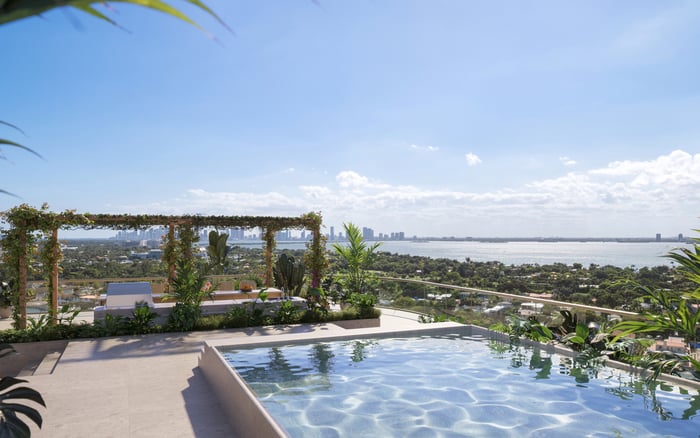
In urban waterfront zones, a residence such as Aria Reserve Miami may appeal to buyers who want big-water presence while remaining close to the city’s cultural and commercial core. The question is not simply whether the view is compelling. It is whether the surrounding access points, traffic patterns and building operations align with the way the family will use the water.
New Yorkers often arrive with a mental map that is too simple: beach, city or suburb. South Florida is more nuanced. Miami Beach can offer immediate coastal identity and resortlike living, but families should distinguish between tourist energy, residential calm, beach access and school logistics. A residence such as The Perigon Miami Beach belongs in conversations where architecture, ocean proximity and a more composed beach lifestyle are central.
Brickell, by contrast, is an urban choice. It can suit families who want a vertical, walkable, finance-forward environment with restaurants, offices and bayfront energy close at hand. For New York buyers accustomed to full-service buildings and dense convenience, St. Regis® Residences Brickell offers a familiar framework for evaluating service, privacy, arrival sequence and amenity depth within a South Florida context.
Mainland neighborhoods often require more patience but may better serve family life. Coconut Grove, Coral Gables, Edgewater and Downtown each present different tradeoffs in commute, waterfront access, school proximity and weekend atmosphere. A Grove address, for example, can feel more village-like and green while still keeping Miami within reach. Four Seasons Residences Coconut Grove naturally enters the discussion for buyers who want a quieter residential sensibility without abandoning condominium service.
For relocating families, the school decision often determines the residential decision. The boat show may set the trip in motion, but admissions calendars, commute windows and after-school routines should shape the final search. A school that looks close on a map can feel very different during morning traffic, rain, bridge delays or peak-season congestion.
Families should test the triangle: home, school and primary adult commitments. If one parent expects to be in Brickell several days a week while children attend school elsewhere, the household may need a base that protects both schedules. If both parents travel frequently, proximity to the airport and the building’s ability to handle staff, family members and visiting caregivers become more important.
This is where New York assumptions can mislead. A shorter distance does not always mean an easier commute. A calmer neighborhood does not always mean simpler logistics. The ideal South Florida base is the one that makes ordinary days feel sustainable, not just glamorous days feel beautiful.
Luxury buyers often focus on interior scale first. Families relocating from New York should give equal weight to how a property receives them. Is the entrance discreet? Can children move from car to residence without crossing a crowded public-facing environment? How does the building manage guests, contractors, deliveries, staff and service providers? Does the residence feel private during major events, holidays and high-season weekends?
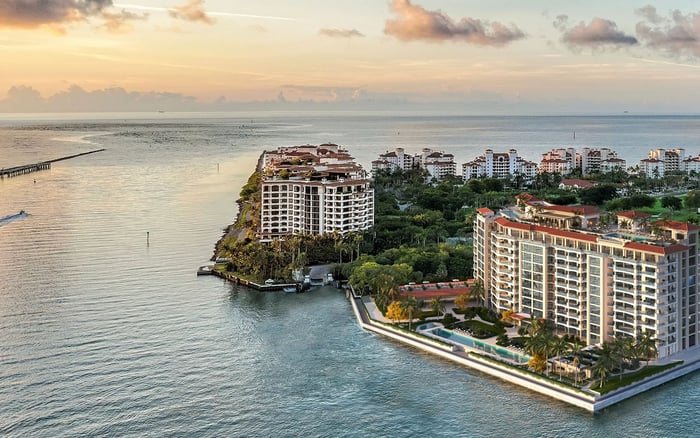
Fisher Island remains part of the conversation for families who place privacy and controlled access at the center of the search. The Residences at Six Fisher Island is relevant for buyers comparing island seclusion with access to Miami’s cultural, dining and boating life. The tradeoff is not simply price. It is whether the family wants a self-contained enclave or a more porous relationship with the city.
Privacy also includes acoustic comfort, elevator density, amenity culture and the way common spaces are used by residents and guests. A tower can be spectacular and still feel wrong for a family that wants quiet mornings, predictable routines and a low-drama arrival experience.
A South Florida purchase should be emotionally compelling, but it must also be technically understood. Insurance, association budgets, reserves, maintenance, storm preparation, flood considerations and long-term resilience all belong in the earliest stage of evaluation. These are not afterthoughts to be handled once the view has won the room.
New York families should also coordinate tax, estate and financing advice before choosing between a primary residence, seasonal base or longer-term hold. The right ownership structure can depend on family residency plans, business interests, children’s schooling and future liquidity needs. None of this diminishes the romance of the move. It simply protects it.
During boat show week, ask practical questions. How does the building prepare for severe weather? Where are vehicles stored? What happens to outdoor furniture, tenders, docks or club arrangements? How are assessments discussed? What level of staffing is maintained year-round? The answers can reveal the difference between a beautiful residence and a durable one.
The boat show may center the search around Miami, but families should use the trip to compare the broader coastline. Fort Lauderdale may appeal to serious boating households that want a different marine culture and a less Miami-centric daily pattern. Boca Raton, Palm Beach, Pompano Beach and Hallandale Beach each introduce different versions of waterfront living, school access, club life and residential quiet.
This comparison is especially important for New Yorkers who are not required to be in Miami every day. If the family’s South Florida life is built around boating, beach, schools and private aviation rather than a daily Brickell office, the best base may sit north of the initial search radius. Conversely, if professional and social life revolve around Miami, moving too far north can turn convenience into aspiration rather than reality.
The intelligent approach is to rank lifestyle priorities before ranking addresses. Water access, school fit, airport rhythm, privacy, building service, neighborhood energy and long-term ownership costs should all be weighted. Only then can the property search become precise.
The Miami International Boat Show is a rare moment when South Florida reveals both its glamour and its friction. For relocating families, that is the opportunity. See the yachts, but study the roads. Tour the residences, but time the school commute. Admire the skyline, but ask about insurance. Enjoy the restaurants, but notice how the building feels when everyone returns home at once.
The right South Florida base should not require a family to perform a new identity. It should make the life they already value feel warmer, more fluid and better supported. For New Yorkers, the best purchase is not necessarily the most dramatic waterfront address. It is the one that turns the promise of South Florida into a daily routine that works.
Should New York families shop during boat show week? Yes, if they treat the trip as a lifestyle test rather than a simple touring weekend.
Is marina access more important than an ocean view? For boating households, practical access can matter more than the view itself.
Is Brickell a good fit for families? Brickell can work for families that value urban convenience, service and proximity to work.
Should schools be chosen before the residence? Often, yes. School commute and admissions timing can define the best residential radius.
Is Miami Beach too busy for family life? It depends on the specific pocket, building culture and daily routes the family will use.
When should insurance be reviewed? Insurance should be reviewed early, before emotional commitment to a property deepens.
Does Fisher Island suit relocating families? It may suit families prioritizing privacy, controlled access and an enclave lifestyle.
Should buyers compare Fort Lauderdale and Palm Beach? Yes, especially when boating, schools or quieter routines matter more than Miami proximity.
Are new developments always better for relocating buyers? Not always. Service model, location, resilience and daily practicality matter more than age.
What is the biggest mistake during a relocation search? Buying for vacation mood instead of testing the weekday life the family will actually live.
When you're ready to tour or underwrite the options, connect with MILLION.
If branded residences are on your mind — as a home or as an allocation — we would be glad to share what we are seeing, privately.
Begin a quiet conversation