A discreet guide to choosing between Miami’s velocity and Palm Beach’s ritualized calm when private aviation habits shape a South Florida home search.
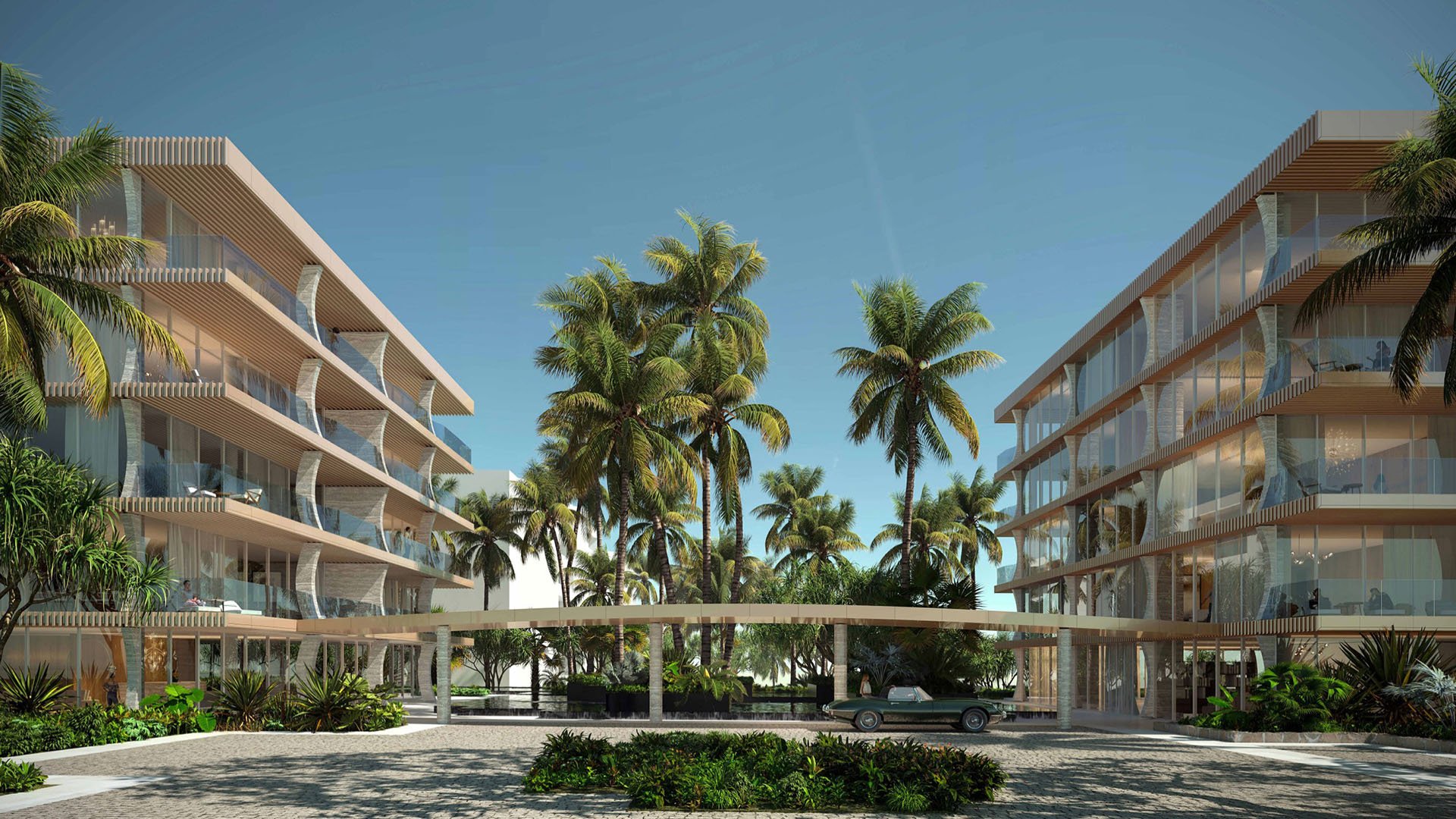
For South Florida buyers who fly privately, the home search is rarely only about square footage, water views, or the architecture of a lobby. It is about how a life moves. The decision between Miami energy and Palm Beach ceremony is really a choice between two operating systems: one built around velocity, spontaneity, and cultural density; the other around ritual, discretion, and a more formal sense of arrival.
Neither is objectively superior. Both can serve ultra-premium lives beautifully when chosen with precision. The difference is how each place absorbs travel. Miami tends to welcome a compressed day: land, meet, dine, host, reset, and move again. Palm Beach, as an idea of ceremony, favors a more composed cadence: a clean arrival, a familiar drive, an edited social calendar, and a residence that feels removed from the noise of movement.
Private aviation sharpens these distinctions. A buyer who arrives for board meetings, art dinners, and waterfront weekends may prize Miami’s kinetic accessibility. A family that flies in for quiet holidays, philanthropic commitments, golf, or multigenerational stays may prefer the Palm Beach atmosphere of controlled elegance. The right choice begins with the aircraft, but it ends with identity.
Miami rewards the private aviation user who sees time as elastic but valuable. The city is best suited to owners who want several versions of the same day: a financial meeting in Brickell, a design appointment, dinner in Miami Beach, and a late return to a residence with skyline or bay drama. The appeal is not simply convenience. It is the density of choice within a compact lifestyle radius.
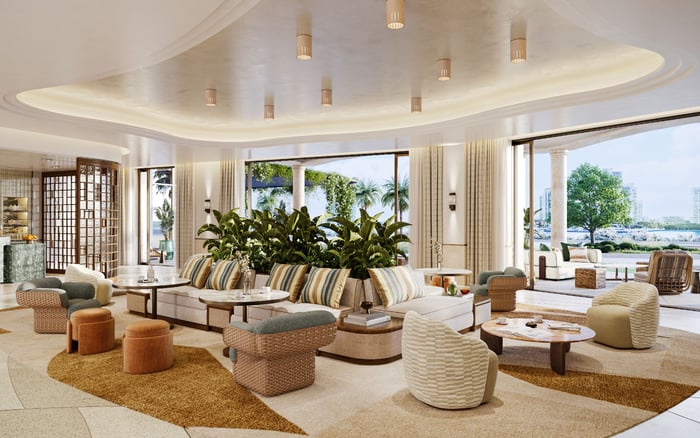
In this context, Brickell remains a compelling base for owners who treat South Florida as both a business and social platform. A residence such as 2200 Brickell fits the buyer who wants an urban address that can shift easily from weekday execution to evening hospitality. For some aviation users, that shift is the point: the home should support momentum rather than interrupt it.
Miami Beach offers a different expression of energy. It is less corporate, more atmospheric, and often more emotionally tied to the water, the sand, and the theater of arrival. The Perigon Miami Beach speaks to the buyer who wants Miami’s cultural current without surrendering the poise of a private oceanfront lifestyle. The aviation logic here is simple: if each arrival is meant to feel like a weekend opening scene, Miami Beach can make that transition immediate.
Palm Beach appeals to the private aviation user who values predictability, discretion, and the grace of repetition. Here, the luxury is often not how much can be done after landing, but how little friction the day contains. The rhythm is quieter, but not less sophisticated. It is shaped by club life, family ritual, legacy ownership, and a social environment where understatement carries weight.
This does not mean the Palm Beach buyer is less active. It means activity is curated. The arrival becomes part of the lifestyle architecture: the house is prepared, the calendar is known, the dinner is intentional, and the weekend has a formal beginning. For owners who spend the week moving quickly elsewhere, that ceremony can be more valuable than another layer of urban optionality.
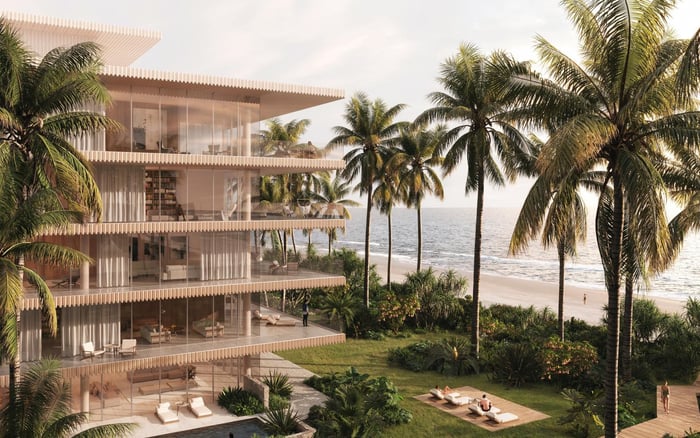
West Palm Beach has also become a natural extension of this conversation for buyers who want access to the Palm Beach orbit with a different residential profile. Alba West Palm Beach belongs in that discussion for owners who want the area’s calmer cadence while still remaining connected to a more contemporary urban waterfront mood. The attraction is balance: ceremonial enough to feel composed, flexible enough to support modern schedules.
The cleanest way to decide between Miami and Palm Beach is to examine the first hour after landing and the last hour before departure. Those two windows reveal more than any amenities list. If the first hour is usually about meetings, restaurants, guests, or entertainment, Miami has a natural advantage. If the first hour is about decompression, family arrival, privacy, and familiar service, Palm Beach becomes harder to displace.
The departure ritual matters as well. Miami-based owners may accept a more animated environment because the reward is proximity to business, culture, and social variety. Palm Beach-oriented owners may accept a quieter residential rhythm because it protects the emotional quality of the exit. The question is not merely, “How far is the airport?” It is, “What state of mind do I want before I board?”
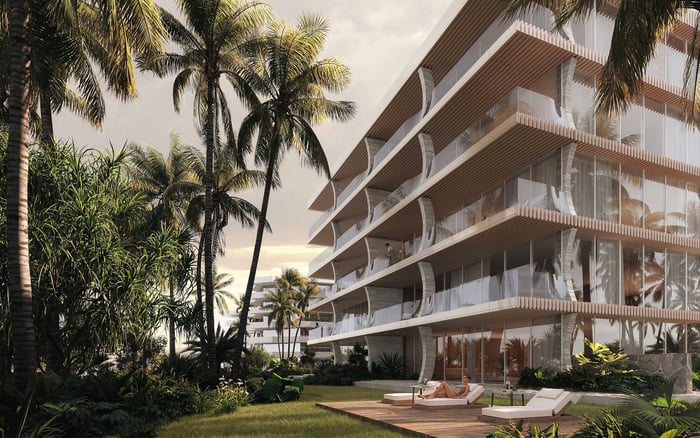
For some buyers, the answer is neither purely Miami nor purely Palm Beach. Boca Raton, for example, can function as a refined middle path for families seeking a more residential setting with access to both northern and southern spheres of South Florida life. Alina Residences Boca Raton is relevant for buyers who want polish, privacy, and a less theatrical daily rhythm while remaining within the broader luxury corridor.
Private aviation users often think in terms of destinations, but the residence itself must be equally precise. A high-service tower can make arrivals seamless for an owner who wants lock-and-leave confidence. A waterfront home can suit a family that travels with staff, children, pets, and a more layered set of belongings. A boutique building can appeal to those who prefer privacy without the maintenance burden of a large estate.
Miami tends to favor residences that amplify experience. Views, dining, design, and branded service can be part of the performance of arrival. Palm Beach and its surrounding enclaves often favor residences that soften experience. The atmosphere is less about display and more about continuity: known routines, quieter thresholds, and a sense that the property has been waiting without announcing itself.
Fisher Island sits outside the simple Miami-versus-Palm Beach binary. It offers proximity to Miami’s cultural energy while maintaining a deeply private residential posture. The Residences at Six Fisher Island is the kind of address that appeals to aviation users who want a guarded sense of retreat without fully stepping away from Miami’s gravitational pull. For certain owners, that combination is more compelling than choosing one mood permanently.
A disciplined buyer should map the year, not the weekend. How many arrivals are work-driven? How many are family-driven? How often do guests join? Is the aircraft used for short stays, seasonal residence, or repeated back-and-forth travel? The more the pattern leans toward high-frequency, multipurpose visits, the more Miami’s energy may justify itself. The more the pattern leans toward restorative stays and social continuity, the more Palm Beach ceremony may win.
It is also worth separating aspiration from habit. Some buyers are drawn to Miami because it feels alive, then discover they want silence after landing. Others are drawn to Palm Beach because it feels established, then realize they miss the ability to improvise. The best purchase aligns with actual behavior. Luxury is not only having options; it is not being burdened by options you rarely use.
The answer, then, is personal but not vague. Miami matters more when the residence is part of a broader platform for movement, visibility, dining, culture, and business. Palm Beach ceremony matters more when the residence is a sanctuary that protects pace, family, and tradition. For private aviation users, the winning address is the one that turns each arrival into the life they intended to live.
Is Miami better for private aviation users who visit frequently? Miami can suit frequent visitors who want business access, social variety, and a more dynamic daily schedule after landing.
Is Palm Beach better for families arriving by private aircraft? Palm Beach can appeal to families who value privacy, routine, and a calmer residential atmosphere during each stay.
Should airport proximity be the main factor in the home search? It matters, but the more important question is how the first and last hour of each trip should feel.
Does Brickell make sense for private aviation users? Brickell can be effective for owners whose South Florida life includes business meetings, dining, and urban convenience.
Is Miami Beach too active for a discreet buyer? Not necessarily. The right residence can provide privacy while keeping the owner close to Miami’s cultural energy.
Why do some aviation users prefer West Palm Beach? West Palm Beach can offer a contemporary residential base near the Palm Beach lifestyle without feeling overly urban.
Can Boca Raton work as a compromise location? Yes. Boca Raton may suit buyers who want refinement, family comfort, and a position between Miami and Palm Beach.
Is Fisher Island closer in spirit to Miami or Palm Beach? Fisher Island often blends Miami access with a private, retreat-like residential character.
How should buyers compare buildings for aviation-driven living? They should evaluate arrival experience, staff coordination, privacy, parking, storage, and lock-and-leave ease.
What is the best way to shortlist comparable options for touring? Start with location fit, delivery status, and daily lifestyle priorities, then compare stacks and elevations to validate views and privacy.
If you'd like a private walkthrough and a curated shortlist, connect with MILLION.
If branded residences are on your mind — as a home or as an allocation — we would be glad to share what we are seeing, privately.
Begin a quiet conversation